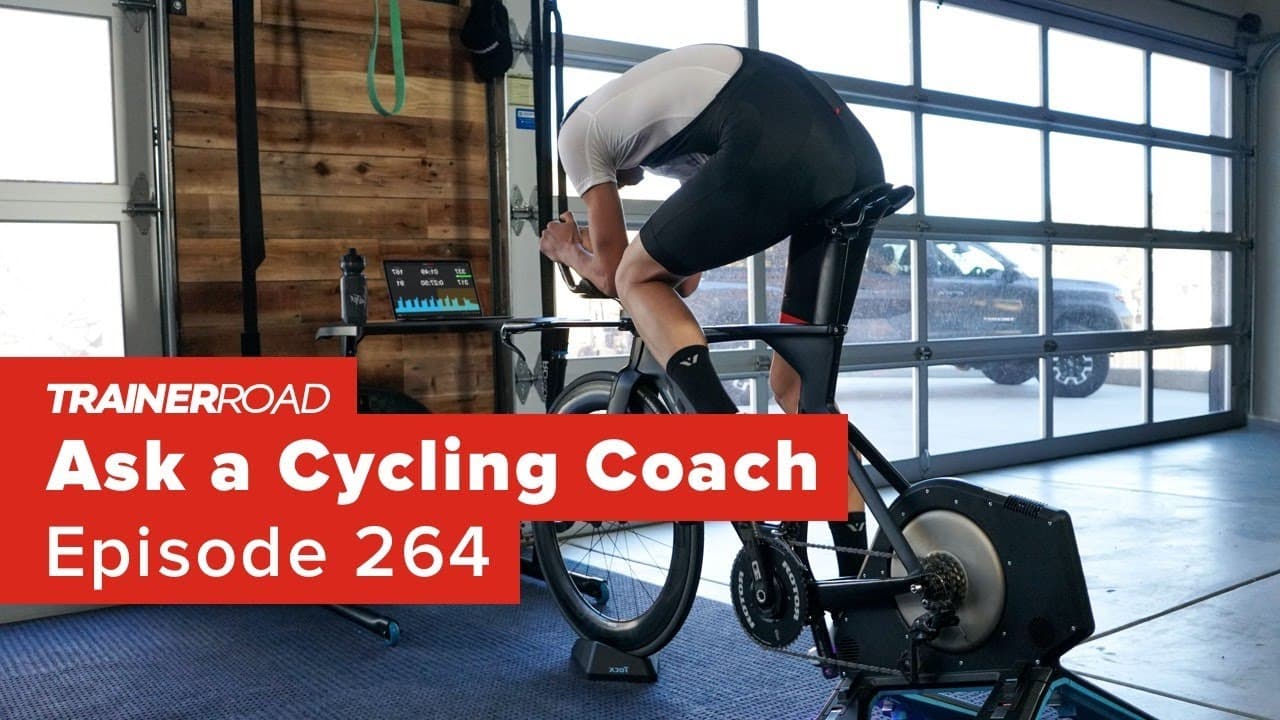
Power Curves, Plateaus, Growth Hacking and More – Ask a Cycling Coach 264
TL;DR
Consistent low-volume training leads to significant fitness gains for specific events, even with short workouts.
Transcript
welcome to the podcast is dedicated to making you a faster cyclist the ASCO cycling coach podcast presented by trainer Road I'm coach Sean Finley we have our head coach Chad Timmerman with us hi everybody we have our CEO Nate Pearson low and we have Cannondale and trainer Rhodes amber Pearce good morning and we were gonna answer more of the cycling... Read More
Key Insights
- ⏳ Consistent low-volume training can lead to significant fitness gains and performance improvements for specific events, even with limited time available.
- 🖐️ Nutrition plays a crucial role in cycling performance, with proper fueling essential for training adaptations, recovery, and overall well-being.
- 🐎 Training quality, balanced energy systems development, and event-specific preparation are critical for race readiness and optimal performance outcomes.
Install to Summarize YouTube Videos and Get Transcripts
Explore YouTube Video Summarizer or Get YouTube Transcript Extractor
Questions & Answers
Q: How did changes in training volume and nutrition impact Amber's cycling performance over time?
Amber experienced overtraining due to inadequate fueling and body image concerns, leading to performance decline. By prioritizing proper nutrition and training balance, she was able to recover and improve her results.
Q: How does Chad's approach to training emphasize the importance of process over outcome in performance gains?
Chad focuses on maximizing training quality over quantity, allowing for sustainable improvements and optimal race performance, regardless of conventional measures like watts per kilogram.
Q: How can TSS variations affect race preparedness, as highlighted by Reese's experience with training deficits for an endurance event?
TSS measurements are not always indicative of race readiness, as not all TSS is equal. Proper training balance across energy systems and event-specific adaptations are crucial for peak performance.
Q: How do individual factors like body composition and training history influence training adaptations and race outcomes among cyclists?
Factors such as body size, training history, and race goals play significant roles in determining optimal training strategies and performance results, emphasizing the importance of personalized approaches to training.
Summary & Key Takeaways
-
The podcast discusses the benefits of low-volume training plans and their effectiveness in improving cycling performance.
-
Amber shares personal experiences with overtraining and the importance of fueling properly for optimal performance.
-
Chad emphasizes the multifaceted nature of performance improvement, addressing factors like training volume, rest, nutrition, and race preparation.
Read in Other Languages (beta)
Share This Summary 📚
Summarize YouTube Videos and Get Video Transcripts with 1-Click
Try YouTube Summary with ChatGPT & Claude or YouTube Transcript Generator
Explore More Summaries from The Ask a Cycling Coach Podcast 📚



Summarize YouTube Videos and Get Video Transcripts with 1-Click
Try YouTube Summary with ChatGPT & Claude or YouTube Transcript Generator