Watch Live: WI v. Chandler Halderson Trial Day 5 - Nick Stahlke - Forensic Scientist
TL;DR
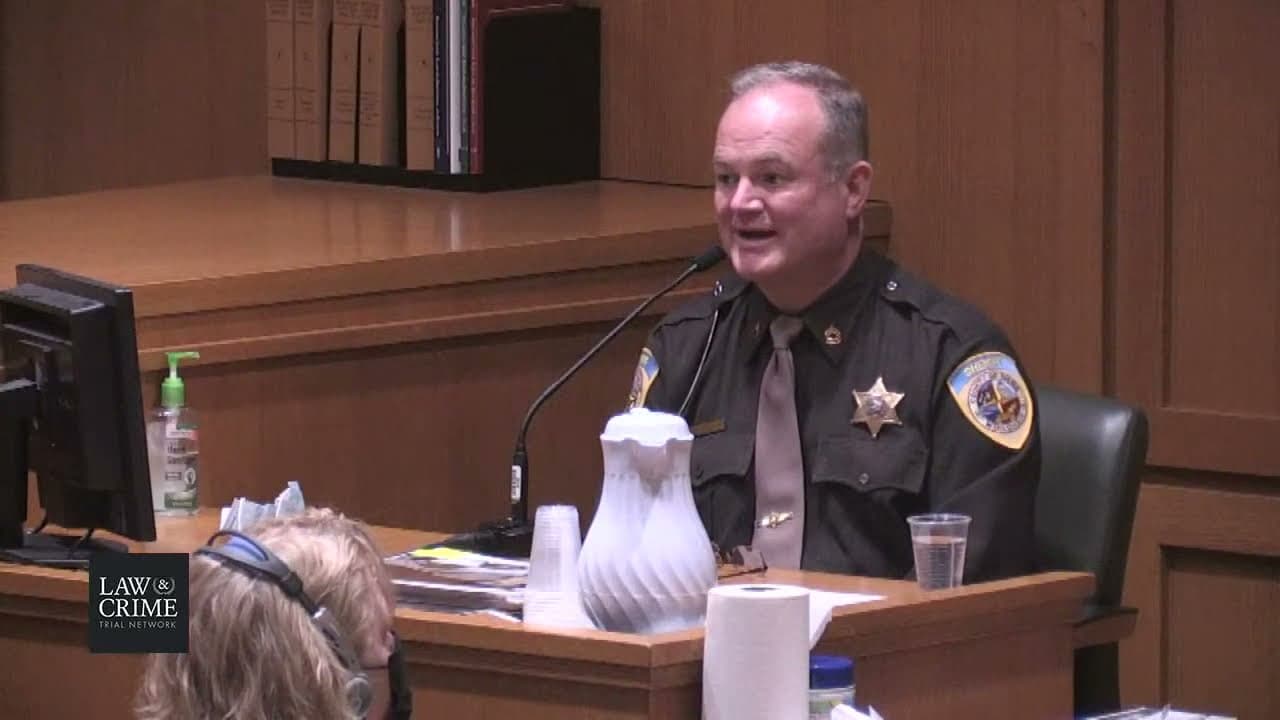
Forensic expert analyzes bloodstains with luminol, identifies potential blood spatter patterns, and assesses evidence in the case.
Transcript
is thanks go ahead and be seated oh we installed squeaks during the break randy let me know and i'll i'll talk to make sure it's working it's working okay okay good thank you then go ahead and continue attorney raymond thank you in exhibit 274 what is the jury seeing in exhibit 274. exhibit 274 is a photograph of a spent cartridge shell that was lo... Read More
Key Insights
- 😃 Luminol aids in detecting blood via chemiluminescence, revealing potential bloodstains not visible to the naked eye.
- 🎑 Blood stain pattern analysis can identify the nature of bloodstains, such as drips or swipes, providing insight into the events at a crime scene.
- 🪪 Confirmatory testing with phenolphthalein ensures accurate identification of bloodstains, distinguishing them from other substances reacting with luminol.
- 🎑 Forensic experts analyze blood spatter patterns to reconstruct potential scenarios at crime scenes.
Install to Summarize YouTube Videos and Get Transcripts
Explore YouTube Video Summarizer or Get YouTube Transcript Extractor
Questions & Answers
Q: What is luminol, and how is it used in forensic analysis?
Luminol is a chemical used to detect the presence of blood by reacting with the iron in hemoglobin to luminesce, aiding in identifying non-visible blood at crime scenes.
Q: Can luminol detect other substances besides blood?
Yes, luminol can react to substances like bleach and plant materials, potentially giving false positives, so additional testing is crucial for confirmation.
Q: How does blood stain pattern analysis help in investigations?
Blood stain patterns can indicate the type of bloodstain (drip, swipe, or contact transfer), offering insights into the events that occurred at a crime scene.
Q: What additional testing is conducted after luminol reveals potential bloodstains?
Samples are swabbed from luminal-positive areas and tested with phenolphthalein to confirm the presence of blood, further validating the initial findings.
Summary & Key Takeaways
-
Expert uses luminol to detect blood in multiple areas of a residence, including the basement and vehicles.
-
Bloodstain patterns suggest contact transfer and presence of blood.
-
Testing with phenolphthalein follows positive luminol reactions to confirm blood presence.
Read in Other Languages (beta)
Share This Summary 📚
Summarize YouTube Videos and Get Video Transcripts with 1-Click
Try YouTube Summary with ChatGPT & Claude or YouTube Transcript Generator
Explore More Summaries from Law&Crime Network 📚





Summarize YouTube Videos and Get Video Transcripts with 1-Click
Try YouTube Summary with ChatGPT & Claude or YouTube Transcript Generator