How to Design Scalable SaaS Org Charts
TL;DR
To effectively scale a SaaS business, focus on designing a clear organizational structure with defined roles and responsibilities. Start with six core functions: product, engineering, marketing, sales, customer success, and operations. As your team grows, introduce levels of management to maintain accountability and efficiency, ensuring no leader has more than five to seven direct reports.
Transcript
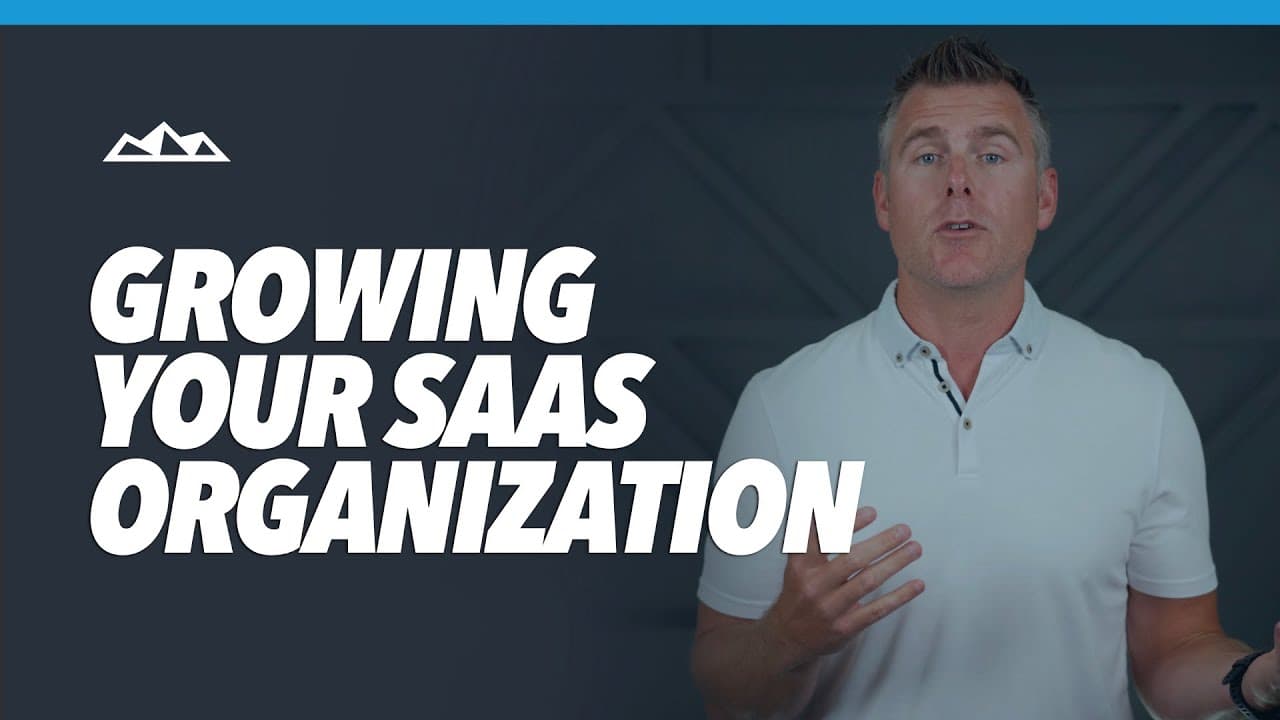
- Hey there, Dan Martell, serial entrepreneur, investor and creator of SaaS Academy. In this episode I'm gonna share with you how to design your org chart. Some people call it the accountability chart. Essentially, figure out where do people go on my team? Who reports to who? And how do I do this when I'm just three or five people and not 50 people... Read More
Key Insights
- A SaaS business requires six core functions: product, engineering, marketing, sales, customer success, and operations.
- Effective scaling involves transitioning from a 'what' strategy to a 'who' strategy, focusing on building a strong team.
- The organizational structure should evolve through startup, ramp-up, and scale-up phases, each requiring different management layers.
- In the startup phase, founders typically manage core functions directly, with team members reporting to them.
- The ramp-up phase introduces Director-level roles to manage growing teams, allowing founders to focus on strategic oversight.
- In the scale-up phase, a C-level layer is added to oversee major business areas, with VPs and team leads supporting them.
- Limiting direct reports to five to seven per leader enhances accountability and prevents managerial overload.
- The High Octane Team Technique is a framework to identify key players and responsibilities, driving team performance.
Install to Summarize YouTube Videos and Get Transcripts
Explore YouTube Video Summarizer or Get YouTube Transcript Extractor
Questions & Answers
Q: How to design a scalable SaaS org chart?
Designing a scalable SaaS org chart involves defining six core functions: product, engineering, marketing, sales, customer success, and operations. As the team grows, introduce management layers such as Directors and C-level executives to maintain accountability and efficiency. Ensure no leader has more than five to seven direct reports to prevent managerial overload.
Q: What are the core functions in a SaaS organization?
The core functions in a SaaS organization include product development, engineering, marketing, sales, customer success, and operations. Each function plays a critical role in the business's growth and requires leadership and strategic oversight to ensure seamless operations and alignment with the company's objectives.
Q: Why is it important to limit direct reports in a SaaS org?
Limiting direct reports to five to seven per leader is crucial for maintaining accountability and preventing managerial overload. This structure ensures leaders can effectively manage and support their teams, fostering a productive work environment and enabling the organization to scale efficiently without compromising operational oversight.
Q: What is the High Octane Team Technique?
The High Octane Team Technique is a framework designed to help SaaS businesses identify key players and their responsibilities within the organization. It focuses on outlining roles, reporting systems, and strategies to ensure effective team performance, driving results rather than excuses, and supporting the company's growth objectives.
Q: How does the ramp-up phase differ from the startup phase?
In the ramp-up phase, a SaaS business introduces Director-level roles to manage growing teams, allowing founders to focus on strategic oversight. This differs from the startup phase, where founders directly manage core functions. The ramp-up phase supports increased team size and complexity, preparing the business for further scaling.
Q: What role do C-level executives play in a SaaS org?
C-level executives in a SaaS organization oversee major business areas such as revenue, product, and operations. They provide strategic direction, ensure alignment with company goals, and support the VPs and team leads. This leadership layer is crucial for managing complex operations and driving the company's long-term success.
Q: How can a SaaS business manage rapid scaling?
A SaaS business can manage rapid scaling by implementing a structured organizational chart with defined roles and responsibilities. Introducing management layers, such as Directors and C-level executives, helps maintain accountability and operational efficiency. Focusing on building a strong team and limiting direct reports prevents managerial overload.
Q: What are the stages of growth in a SaaS business?
The stages of growth in a SaaS business include the startup phase, ramp-up phase, and scale-up phase. Each stage requires different organizational structures and management layers. The startup phase involves direct management by founders, the ramp-up phase introduces Director-level roles, and the scale-up phase adds C-level executives for strategic oversight.
Summary & Key Takeaways
-
To scale a SaaS business effectively, focus on six core functions: product, engineering, marketing, sales, customer success, and operations. As the business grows, introduce levels of management to maintain accountability, ensuring no leader has more than five to seven direct reports. This structured approach supports strategic oversight and operational efficiency.
-
The organizational structure should evolve through startup, ramp-up, and scale-up phases. In the startup phase, founders manage core functions directly. As the business enters the ramp-up phase, Director-level roles are introduced to manage growing teams, allowing founders to focus on strategic oversight.
-
In the scale-up phase, a C-level layer is added to oversee major business areas, with VPs and team leads supporting them. This structured approach supports strategic oversight and operational efficiency, ensuring the business can scale effectively and sustainably.
Read in Other Languages (beta)
Share This Summary 📚
Summarize YouTube Videos and Get Video Transcripts with 1-Click
Try YouTube Summary with ChatGPT & Claude or YouTube Transcript Generator
Explore More Summaries from Dan Martell 📚


Summarize YouTube Videos and Get Video Transcripts with 1-Click
Try YouTube Summary with ChatGPT & Claude or YouTube Transcript Generator