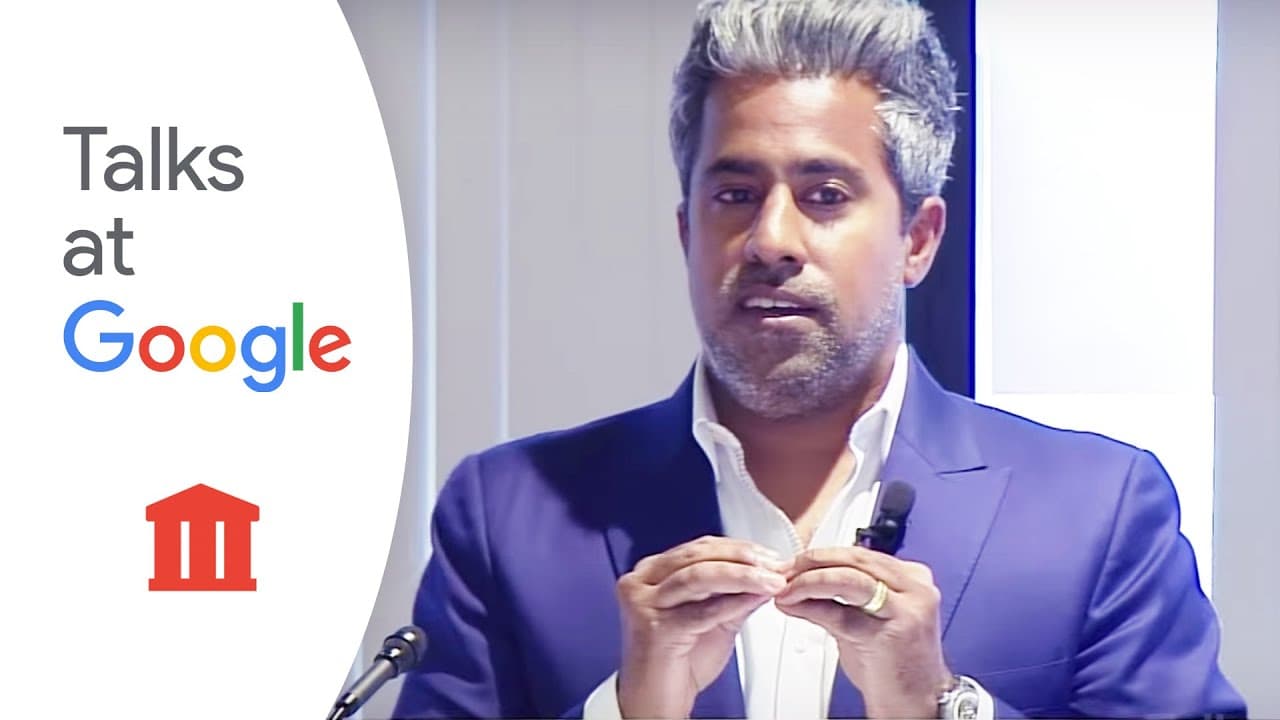
Winners Take All | Anand Giridharadas | Talks at Google
TL;DR
Many wealthy individuals and corporations engage in philanthropic efforts to address societal issues, but these acts may inadvertently perpetuate the existing system and fail to bring about necessary structural change.
Transcript
[MUSIC PLAYING] ANAND GIRIDHARADAS: Thank you for having me. Look, we all recognize the awkwardness of me talking about the elite charade of changing the world at Google. So let's just name that upfront, and be aware of that, and be aware of our complicated feelings we may have. This is going to be like therapy. I want to start by laying out some k... Read More
Key Insights
- 🫚 The elite's engagement in philanthropy often focuses on superficial solutions that protect their interests and fail to address root causes.
- 🪡 A tension exists between the elite's desire to make a difference and the need for systemic change that may challenge their own privileges.
- 🖐️ The government plays a crucial role in solving societal problems, and the discrediting of government by the elite has hindered meaningful change.
- 😉 It is important to challenge the dominance of the "win-win" ideology and prioritize real structural change in order to address societal challenges.
- 🍉 The movement of capital globally presents challenges in terms of taxation and democratic control, requiring innovative solutions to prevent inequalities.
- 💦 Companies should give employees more transparency to understand the impact of their work on society and participate in decision-making processes.
Install to Summarize YouTube Videos and Get Transcripts
Explore YouTube Video Summarizer or Get YouTube Transcript Extractor
Questions & Answers
Q: How does elite philanthropy impact societal change?
Elite philanthropy can inadvertently maintain the existing power structure by avoiding systemic change and focusing on solutions that benefit the elite. This can perpetuate inequality and hinder progress.
Q: Does the current age of extreme inequality affect the ability to achieve the American dream?
Yes, economic growth has mostly benefited the top half of Americans, while the bottom half has experienced stagnant incomes. This makes it difficult to achieve upward mobility and the traditional notion of the American dream.
Q: How does the "win-win" ideology impact social change efforts?
The "win-win" ideology tends to prioritize solutions that benefit both the helpers and the helped, without challenging power structures. This often leads to superficial change that protects the interests of the elite, instead of addressing root causes.
Q: Can the elite charade of changing the world be broken through self-reflection and awareness?
Yes, by reflecting on their own involvement in societal issues and understanding the potential consequences of their actions, the elite can begin to see the need for real change and challenge the existing power dynamics.
Summary & Key Takeaways
-
The elite of our age are increasingly involved in philanthropy and social change, aiming to make a difference in areas of extreme inequality and societal challenges.
-
However, this engagement often results in change that maintains the existing power structure, fails to address root causes, and protects the interests of the elite.
-
The concept of "win-win" change, which is popular among the elite, often means avoiding real change that may disrupt power dynamics and opting for superficial solutions.
Read in Other Languages (beta)
Share This Summary 📚
Summarize YouTube Videos and Get Video Transcripts with 1-Click
Try YouTube Summary with ChatGPT & Claude or YouTube Transcript Generator
Explore More Summaries from Talks at Google 📚

Summarize YouTube Videos and Get Video Transcripts with 1-Click
Try YouTube Summary with ChatGPT & Claude or YouTube Transcript Generator