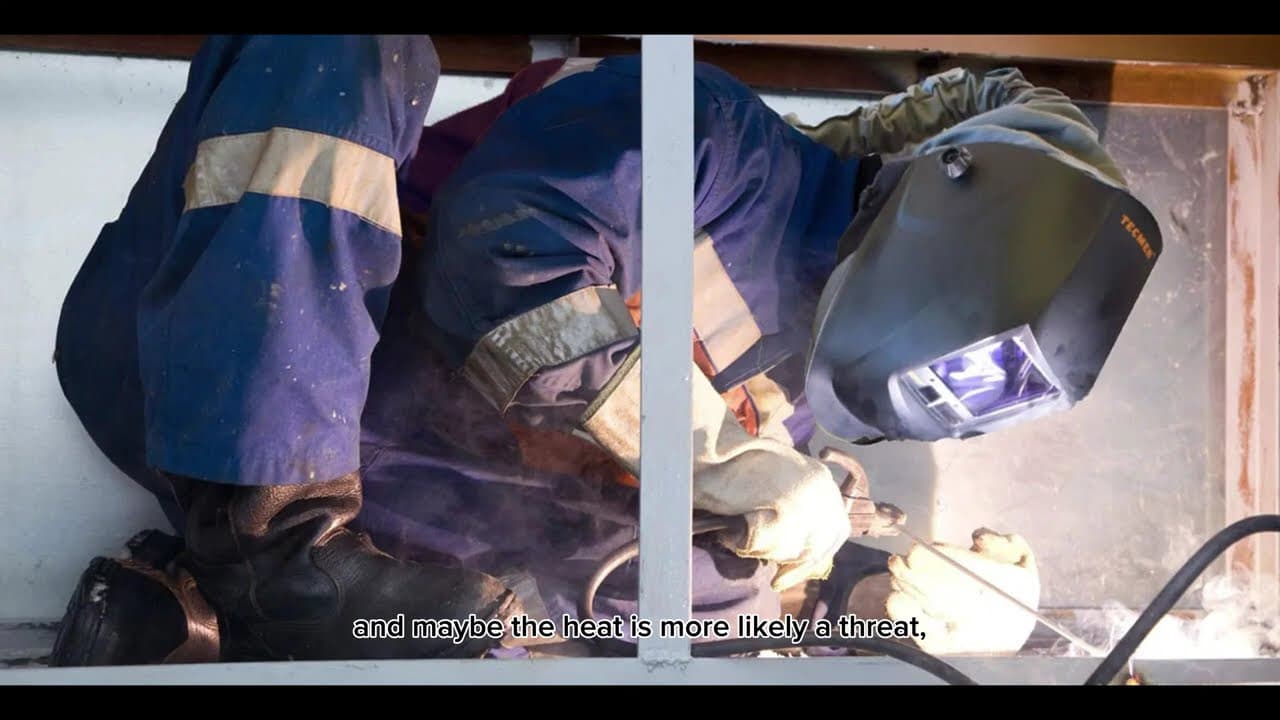
Training video of the working in confined spaces.
TL;DR
Safety procedures for working in confined spaces are discussed.
Transcript
good afternoon all fun life safety supervisor my name is Sam chin and new Kong is the company safety partitioner today this video will show you the safety training for the working in confer space here I have some questions do you know what's confin space and ever wondered about the hidden dangers looking in the confin space a confin space i... Read More
Key Insights
- Confined spaces are hazardous environments requiring special precautions due to risks like fire, toxic gases, and limited access.
- Entry procedures must include obtaining a permit, risk assessment, and continuous air monitoring to ensure safety.
- Ventilation systems are crucial for purifying and maintaining safe air quality in confined spaces.
- Only certified workers should enter confined spaces, and they must use communication devices like walkie-talkies for safety.
- Personal protective equipment (PPE) is essential, including helmets, face shields, and respiratory protection to counter specific threats.
- Retrieval systems are vital for quick evacuation during emergencies, ensuring rescuers can safely extract individuals.
- Rescue teams must be properly trained and equipped, with responsibilities clearly defined for emergency response.
- Regular drills and training sessions improve preparedness and effectiveness in handling confined space emergencies.
Install to Summarize YouTube Videos and Get Transcripts
Explore YouTube Video Summarizer or Get YouTube Transcript Extractor
Questions & Answers
Q: What is a confined space?
A confined space is an area that is not designed for continuous occupancy and has limited or restricted means for entry or exit. It poses specific hazards due to its environment, such as fire risks, toxic gases, and limited ventilation. Common examples include manholes, tunnels, and tanks.
Q: What are the key entry procedures for confined spaces?
Key entry procedures include obtaining an entry permit, conducting a thorough risk assessment, and continuously monitoring air quality. It is essential to ensure proper ventilation, isolate the area, and use protective equipment. Only certified personnel should enter, and communication devices like walkie-talkies are necessary for safety.
Q: Why is ventilation important in confined spaces?
Ventilation is crucial in confined spaces to remove contaminants and provide a supply of clean, breathable air. It helps maintain safe oxygen levels and reduces the presence of toxic gases, ensuring a safer environment for workers. Continuous ventilation and air monitoring are necessary to prevent hazardous conditions.
Q: What personal protective equipment is required for confined spaces?
Essential personal protective equipment (PPE) for confined spaces includes helmets for head protection, face shields for eye protection, and respiratory devices to filter contaminants or supply breathable air. Additional PPE may be required depending on specific tasks, such as welding gloves and protective clothing for heat-related tasks.
Q: How are emergencies handled in confined spaces?
Emergencies in confined spaces require a trained rescue team equipped with retrieval systems and communication devices. The team must have clearly defined roles and responsibilities, and continuous monitoring of environmental conditions is essential. Regular drills improve preparedness and ensure rescuers can safely extract individuals.
Q: What is the role of a rescue team in confined spaces?
The rescue team is responsible for safely extracting individuals from confined spaces during emergencies. They must be properly trained and equipped with retrieval systems, communication devices, and first aid supplies. The team must coordinate effectively, monitor environmental conditions, and ensure the safety of both rescuers and entrants.
Q: Why are regular drills important for confined space safety?
Regular drills are important for confined space safety as they enhance preparedness and effectiveness in handling emergencies. They allow rescue teams to practice procedures, improve coordination, and identify potential issues. Drills ensure that all personnel are familiar with safety protocols and can respond quickly and efficiently during real emergencies.
Q: What are the responsibilities of certified workers in confined spaces?
Certified workers in confined spaces are responsible for following safety protocols, using appropriate personal protective equipment, and maintaining communication with the outside team. They must adhere to entry procedures, continuously monitor environmental conditions, and report any changes. Their role is crucial in minimizing risks and ensuring a safe working environment.
Summary & Key Takeaways
-
The video provides an overview of safety procedures for working in confined spaces, emphasizing the importance of risk assessments, permits, and continuous air monitoring. It highlights the need for proper ventilation, communication, and personal protective equipment to ensure worker safety.
-
Confined spaces pose various hazards, including fire, toxic gases, and limited access, necessitating stringent safety measures. The video outlines procedures such as obtaining entry permits, conducting risk assessments, and using proper equipment to mitigate these risks.
-
Emergency response in confined spaces requires trained rescue teams, equipped with retrieval systems and communication devices. The video stresses the importance of regular drills and ensuring rescuers can safely extract individuals while maintaining continuous monitoring of environmental conditions.
Read in Other Languages (beta)
Share This Summary 📚
Summarize YouTube Videos and Get Video Transcripts with 1-Click
Try YouTube Summary with ChatGPT & Claude or YouTube Transcript Generator