What to Do When Your Rental Property Burns Down?
TL;DR
If your rental property burns down, prioritize tenant safety and ensure they have renter's insurance, which can ease your responsibilities. Navigate the insurance claims process promptly, as a clear cause for the fire accelerates recovery. Weigh whether to rebuild or sell based on financial projections, potential costs, and personal capability, and always have a network of professionals for support.
Transcript
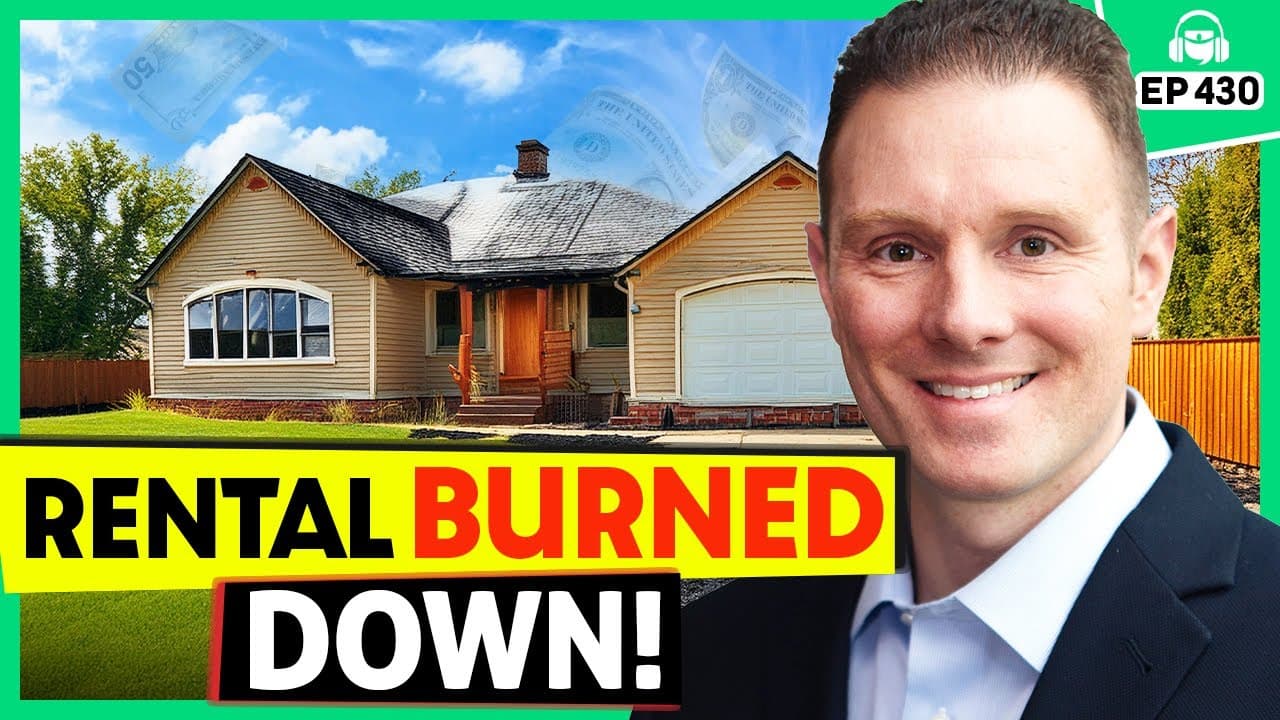
this is real estate rookie episode 430 my name is Ashley care what would happen if your investment property burned down Welcome to the Real Estate rookie podcast where every week three times a week we bring you the inspiration motivation and stories you need to Kickstart your investing journey in real estate sometimes you have to turn a worst case ... Read More
Key Insights
- The importance of having renter's insurance is highlighted, as it can alleviate the landlord's responsibilities and expedite tenant support in case of property damage.
- Understanding the insurance process is crucial; knowing what your policy covers and the steps to take after a disaster can significantly impact recovery time and financial outcomes.
- Restoration companies can be aggressive in pursuing work after a disaster; it's essential to vet them carefully and understand the scope of their services before signing contracts.
- The decision to rebuild or sell after property damage involves weighing the costs, potential returns, and personal capacity to manage the restoration process.
- Fire investigations can delay insurance claims; having a clear cause of the fire can expedite the process, but if unclear, private investigators may be needed, extending timelines.
- Having a network of knowledgeable professionals, such as real estate agents and tax advisors, can provide valuable insights and support during property recovery decisions.
- Exploring all selling options, including wholesalers and as-is sales, can provide quicker financial recovery and reduce the burden of managing a lengthy restoration process.
- An umbrella insurance policy can provide additional protection against potential litigation, offering peace of mind in complex property damage scenarios.
Install to Summarize YouTube Videos and Get Transcripts
Explore YouTube Video Summarizer or Get YouTube Transcript Extractor
Questions & Answers
Q: What was Aaron's first reaction upon learning about the fire?
Aaron's first reaction was concern for his tenant's safety. He prioritized ensuring that the tenant was unharmed and had a place to stay. This involved confirming the tenant's well-being and understanding their immediate needs, such as temporary housing, which was facilitated by the tenant's renter's insurance.
Q: How did the insurance process unfold after the fire?
The insurance process began with Aaron notifying his insurance company immediately after the fire. An adjuster was sent to assess the damage within a few days. The claims process required a complete fire investigation report to proceed, which took about a week. The insurance company then worked with restoration companies to evaluate repair costs.
Q: What challenges did Aaron face with restoration companies?
Aaron faced challenges with restoration companies, as many aggressively pursued the job. He found the process confusing, with companies providing separate quotes for mitigation and restoration. Understanding the full scope and cost estimates was difficult, highlighting the need to carefully review contracts and services before proceeding.
Q: What influenced Aaron's decision to sell the property as-is?
Aaron decided to sell the property as-is after evaluating the costs and time involved in restoration versus the immediate financial recovery from selling. The potential $45,000 difference in profit was outweighed by the time, effort, and risk of cost overruns in rebuilding. His decision was also influenced by the property's successful 20-year run.
Q: How did Aaron utilize his network in making decisions post-fire?
Aaron leveraged his network by consulting with real estate professionals like Mindy Jensen for property valuation and using BiggerPockets resources for advice. He also engaged a tax advisor to understand the implications of selling and insurance proceeds, demonstrating the importance of having a knowledgeable support system.
Q: What are the insurance implications for future property investments?
Aaron anticipates that insurance premiums may increase due to the claim, although he sold the property before this could be confirmed. He noted that insurance rates generally rise over time and with claims. He also highlighted the value of having an umbrella policy for additional protection against potential litigation.
Q: What is a 1033 exchange, and how did it apply to Aaron's situation?
A 1033 exchange, applicable in involuntary property conversions like fires, allows for deferring capital gains tax by reinvesting proceeds into a similar asset. Unlike a 1031 exchange, it offers a longer time frame and doesn't require a qualified intermediary, providing Aaron with flexibility in reinvesting his insurance proceeds.
Q: What lessons did Aaron learn from the fire incident?
Aaron learned the importance of being prepared for worst-case scenarios, having comprehensive insurance, and understanding the restoration process. He emphasized the need for patience and thorough research before signing contracts with restoration companies. Additionally, he highlighted the value of leveraging networks and resources for informed decision-making.
Summary & Key Takeaways
-
Aaron Sallade shares his experience of dealing with a rental property fire, emphasizing the importance of renter's insurance and understanding the insurance claims process. He navigates the challenges of restoration and selling the damaged property, providing insights into decision-making and financial recovery.
-
The process of handling a property fire involves immediate tenant support, working with insurance adjusters, and dealing with restoration companies. Aaron's story underscores the need for preparedness and the value of having a strong support network to guide decisions.
-
Key takeaways from Aaron's experience include the benefits of having renter's insurance, the complexities of the insurance and restoration process, and the strategic considerations in deciding whether to rebuild or sell a damaged property.
Read in Other Languages (beta)
Share This Summary 📚
Summarize YouTube Videos and Get Video Transcripts with 1-Click
Try YouTube Summary with ChatGPT & Claude or YouTube Transcript Generator
Explore More Summaries from Real Estate Rookie 📚


Summarize YouTube Videos and Get Video Transcripts with 1-Click
Try YouTube Summary with ChatGPT & Claude or YouTube Transcript Generator