What Is Alzheimer's Disease and Its Impact on the Brain?
TL;DR
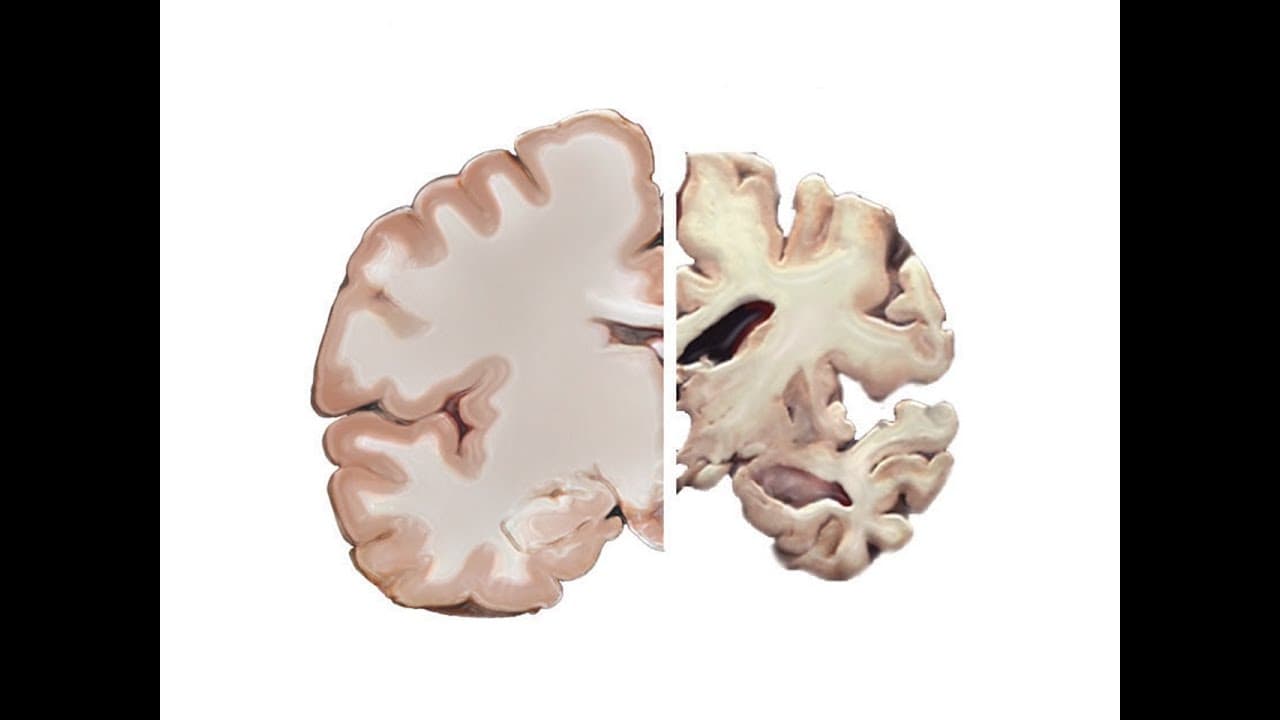
Alzheimer's disease significantly affects memory and cognitive functions due to the buildup of plaques and tangles in the brain. It is not a normal part of aging, and engaging in physical activities, a healthy diet, and intellectual pursuits may help reduce the risk of developing the disease.
Transcript
hey Vsauce Michael here if you have a watch or a clock nearby take a look at it's our hand it moves completing a trip all the way around twice a day its motion is too slow to see but try really look at right now watch how far it travels in one second okay one Mississippi done that's it see how far it moved well if this watch was the Milky Way that ... Read More
Key Insights
- 🥶 Writing and physical/digital libraries have revolutionized knowledge preservation, but before that, humans relied on memories passed down by older generations.
- 😍 The brain is fragile and swims in cerebrospinal fluid to protect itself from crushing under its own weight.
- 🧠 Memories are formed through connections and patterns between neurons, and damage to brain cells can result in memory loss.
- 🥺 Alzheimer's disease is associated with the accumulation of plaques and tangles in the brain, leading to cognitive decline and memory loss.
- 🧑🏭 Factors such as physical activity, a healthy diet, learning a second language, and intellectual activities have been linked to a reduced risk of Alzheimer's disease.
- 🥹 The brain's complexity and mechanisms still hold many mysteries and opportunities for further research.
Install to Summarize YouTube Videos and Get Transcripts
Explore YouTube Video Summarizer or Get YouTube Transcript Extractor
Questions & Answers
Q: What is the connection between Alzheimer's disease and memory loss?
Alzheimer's disease is associated with the accumulation of plaques and tangles in the brain, which leads to damage and death of brain cells. This affects the formation and retrieval of memories, causing memory loss and cognitive decline.
Q: What are some factors that can reduce the risk of Alzheimer's disease?
Engaging in physical activity, having a heart-healthy diet, learning a second language later in life, being social, protecting your head, and participating in intellectual activities like crossword puzzles and reading have been associated with a reduced risk of Alzheimer's disease.
Q: How does memory work in the brain?
Memories are formed through connections between neurons. When we learn or memorize something, these connections become stronger through repeated firing. When brain cells and their connections are compromised, memories can be lost or hindered.
Q: How can we support research and individuals affected by Alzheimer's disease?
Supporting organizations like the Alzheimer's Association through donations and resources is one way to contribute. Caregivers and those diagnosed with Alzheimer's also benefit from empathy, understanding, and patience.
Summary & Key Takeaways
-
The invention of writing and the development of physical and digital libraries have allowed us to store and preserve knowledge, but before that, humans relied on biological storage through memories.
-
Alzheimer's disease is a form of dementia that affects cognitive skills, memory, and brain cell health. It is not a normal part of aging and has been increasing as a cause of death.
-
The brain is a delicate organ, with the cerebrum being the largest part responsible for language, thought, and consciousness. Memories are formed through connections and patterns between neurons.
Read in Other Languages (beta)
Share This Summary 📚
Summarize YouTube Videos and Get Video Transcripts with 1-Click
Try YouTube Summary with ChatGPT & Claude or YouTube Transcript Generator
Explore More Summaries from Vsauce 📚

Summarize YouTube Videos and Get Video Transcripts with 1-Click
Try YouTube Summary with ChatGPT & Claude or YouTube Transcript Generator