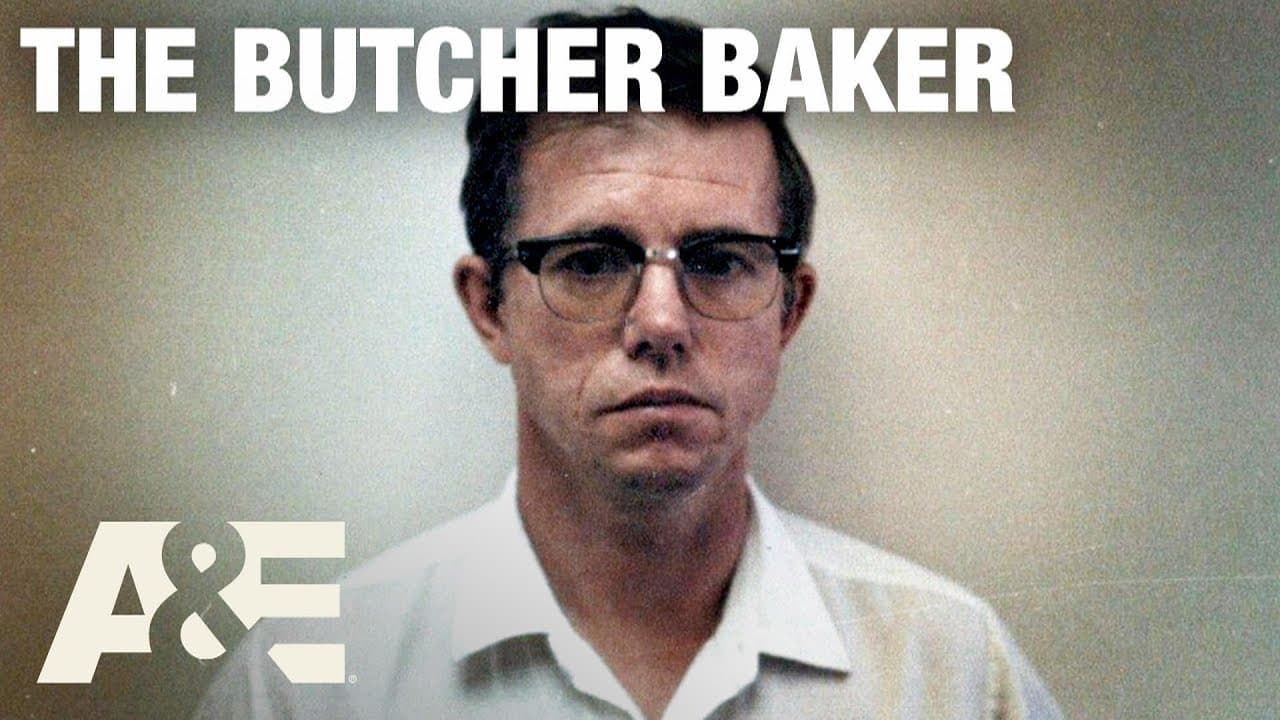
Small Town Baker Becomes Worst Mass Murderer in Alaska's History | First Blood | A&E
TL;DR
Robert Hansen, a baker, became Alaska's deadliest serial killer.
Transcript
[dramatic music] JIM MCCANN: Elkutna Lake, nestled in the mountains, fed by glacial runoff. It's a drop-dead gorgeous place. Very remote. It's just one of those places that nobody goes to unless they have a need to go there. Two power line workers were up in that Elkutna Road region, and they found skeletal remains. Troopers went up there and exami... Read More
Key Insights
- Elkutna Lake, a remote and beautiful location, became a crime scene when skeletal remains were discovered by power line workers, leading to a complex investigation.
- The remains, identified as Elkutna Annie, were challenging to identify due to the lack of personal information typical of sex workers at the time.
- The rapid population growth in Anchorage during the 1970s, driven by the pipeline construction, attracted a criminal element, including sex workers and opportunistic predators.
- Robert Hansen, a seemingly ordinary baker, lived a double life, masking his violent tendencies behind a facade of normalcy, even as he engaged in serial killings.
- Hansen's hunting skills translated into his method of stalking and killing women, driven by a thrill akin to hunting animals, which escalated with resistance from his victims.
- The revelation of Hansen as Alaska's worst mass murderer shocked those who knew him, highlighting the difficulty of detecting his true nature.
- Efforts to identify Elkutna Annie continue, with advancements in forensic technology offering hope for closure to the victim's family.
- The case underscores the importance of vigilance and the challenges law enforcement faces when dealing with transient populations and hidden predators.
Install to Summarize YouTube Videos and Get Transcripts
Explore YouTube Video Summarizer or Get YouTube Transcript Extractor
Questions & Answers
Q: What was discovered at Elkutna Lake?
Skeletal remains were discovered at Elkutna Lake by power line workers. The remains were later identified as belonging to a young woman, dubbed Elkutna Annie. The discovery marked the beginning of an investigation into the activities of Robert Hansen, a serial killer operating in Alaska.
Q: Why was identifying Elkutna Annie challenging?
Identifying Elkutna Annie was challenging because she was likely a sex worker, a group that often used aliases and had limited contact with family. The lack of personal information and the transient nature of her lifestyle made it difficult for investigators to establish her identity.
Q: How did Anchorage's population boom affect crime?
Anchorage's population boom in the 1970s, driven by the construction of the pipeline, attracted a criminal element, including sex workers and predators. This rapid growth created an environment where opportunistic criminals, like Robert Hansen, could exploit the influx of people and commit crimes with relative anonymity.
Q: What was Robert Hansen's method of operation?
Robert Hansen's method of operation involved using his hunting skills to stalk and kill women, deriving a thrill from the act similar to hunting animals. His violence escalated when victims resisted, highlighting his desire for control and the dangerous nature of his predatory behavior.
Q: How did people react to Hansen's crimes being revealed?
People who knew Robert Hansen were shocked when his crimes were revealed, as he was perceived as a normal, even friendly individual. The revelation of his double life as Alaska's worst mass murderer highlighted the difficulty of detecting his true nature and the extent of his violent activities.
Q: What efforts are being made to identify Elkutna Annie?
Efforts to identify Elkutna Annie continue, with advancements in forensic technology offering hope for closure. In 2020, a new rendering of her was produced, demonstrating ongoing attempts to solve the mystery of her identity and provide answers to her family, if they can be located.
Q: What challenges do law enforcement face with transient populations?
Law enforcement faces significant challenges with transient populations, such as the difficulty in tracking individuals who frequently change locations and use aliases. This complicates investigations, as seen in the case of Elkutna Annie, where the lack of stable personal information hindered identification efforts.
Q: What does the case of Robert Hansen highlight about crime detection?
The case of Robert Hansen highlights the challenges in detecting hidden predators who lead double lives. His ability to mask his violent tendencies behind a facade of normalcy underscores the importance of vigilance and the need for advanced investigative techniques to uncover such individuals before they can cause harm.
Summary & Key Takeaways
-
Elkutna Lake's discovery of skeletal remains marked the beginning of an investigation into Robert Hansen, a seemingly ordinary baker who turned out to be Alaska's deadliest serial killer. The remains, dubbed Elkutna Annie, were difficult to identify due to the transient nature of sex workers during the 1970s.
-
Anchorage's population boom in the 1970s, driven by pipeline construction, attracted a criminal element. This environment allowed Hansen to exploit his hunting skills, stalking and killing women with a thrill akin to hunting animals, escalating his violence when faced with resistance.
-
Hansen's double life shocked those who knew him when his crimes were revealed. The case highlights the challenges law enforcement faces with transient populations and hidden predators, while ongoing efforts to identify Elkutna Annie offer hope for closure to her family.
Read in Other Languages (beta)
Share This Summary 📚
Summarize YouTube Videos and Get Video Transcripts with 1-Click
Try YouTube Summary with ChatGPT & Claude or YouTube Transcript Generator
Explore More Summaries from A&E 📚






Summarize YouTube Videos and Get Video Transcripts with 1-Click
Try YouTube Summary with ChatGPT & Claude or YouTube Transcript Generator