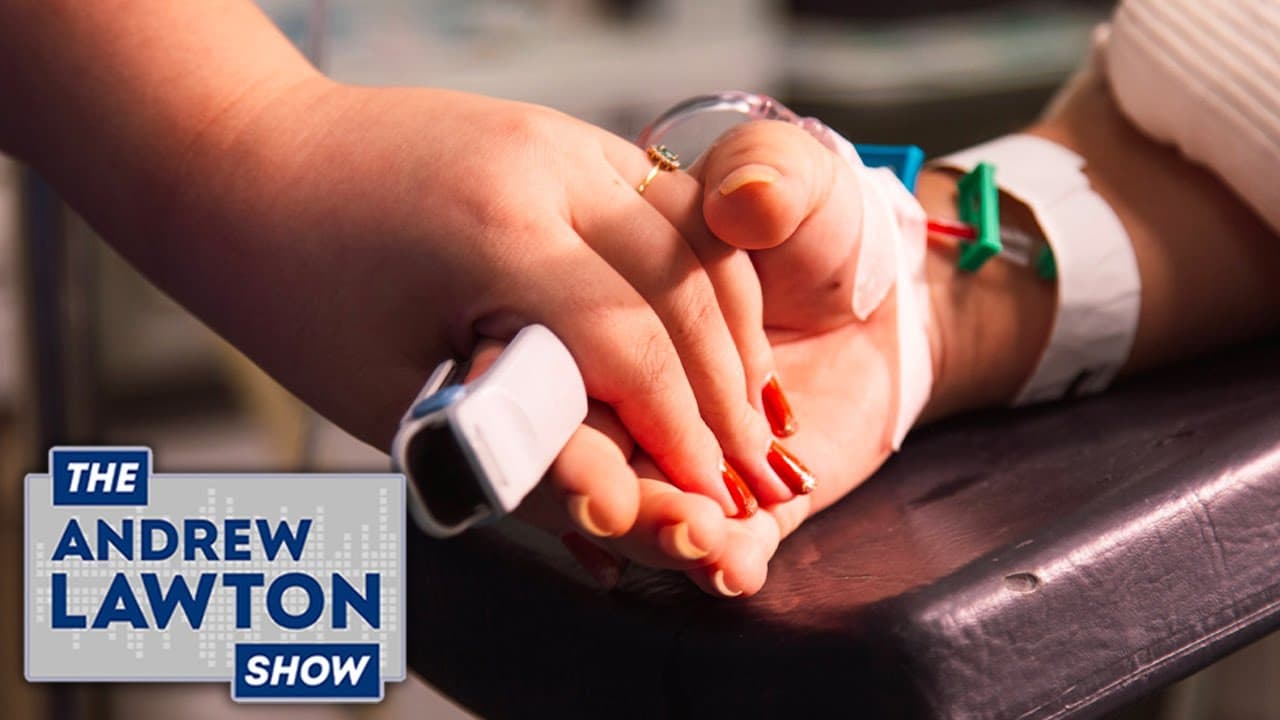
Doctor warns MAiD expansion is being prioritized over healthcare access
TL;DR
Medical assistance in dying is expanding amidst inadequate healthcare access, raising concerns about systemic abuse.
Transcript
you're tuned in to the Andrew lton show uh maid is increasingly used by people who have run out of options because of the Health Care system not because they are dealing with a terminal and IR remediable condition as the legislation is supposed to restricted to but because they have run out of options they have had troubles accessing adequate care ... Read More
Key Insights
- 😜 There is a troubling trend of MAID expansion largely affecting individuals who are not terminally ill, indicating serious flaws in the healthcare system.
- 🛟 Many practitioners are directing individuals with disabilities toward MAID, suggesting systemic biases that minimize their quality of life.
- 🥺 The current healthcare policies prioritize access to MAID over comprehensive healthcare solutions, leading to ethical concerns.
- ❓ Geographic disparities in the administration of MAID show how local practices may differ greatly from established federal guidelines.
- 🙈 Reports indicate a lack of accountability in the MAID process, with providers often ignoring eligibility limitations, which can jeopardize vulnerable patients.
- ❓ The policy of effective referral complicates the moral landscape for healthcare providers, forcing them to contribute to MAID pathways against their beliefs.
- 🤨 While MAID is intended to be a compassionate option, the realities of its application raise concerns about its role as a replacement for proper healthcare.
Install to Summarize YouTube Videos and Get Transcripts
Explore YouTube Video Summarizer or Get YouTube Transcript Extractor
Questions & Answers
Q: What does the expansion of MAID in Canada signify about healthcare access?
The expansion reflects significant gaps in the healthcare system, where individuals often resort to MAID not due to terminal conditions, but due to failed healthcare access. This troubling trend suggests that people, particularly in marginalized communities, feel they have no other options, highlighting systemic inequities that need urgent addressing.
Q: How are marginalized communities affected by the current MAID legislation?
Marginalized communities face unique challenges in accessing healthcare, which can lead to recommendations for MAID rather than receiving adequate support and care. This creates a disturbing scenario where individuals with disabilities or in vulnerable situations are unfairly targeted under a system that should primarily aim for compassion and support, instead promoting an end to their lives.
Q: What role do healthcare providers play in the MAID process?
Healthcare providers are instrumental in the MAID process; however, their actions have raised ethical concerns. Some providers may suggest MAID as an option for patients with disabilities rather than pursuing comprehensive care solutions, reflecting deeper biases that devalue the lives of these individuals based on perceptions of quality of life.
Q: What are some geographic disparities in MAID assessments mentioned in the conversation?
The conversation notes significant geographic variations across Canada, with regions like Quebec having the highest rates. This lack of standardization raises concerns about inconsistent policies and practices, suggesting that local cultures and norms can influence decisions regarding MAID, potentially leading to abuses.
Q: How is the effectiveness of MAID oversight being challenged?
Oversight of MAID practices is often criticized for focusing more on protecting assessors and providers than safeguarding patients. Dr. Coello points out that this laxity has allowed numerous cases of potential abuse, suggesting the need for stricter scrutiny and more robust patient-centered protections.
Q: What is the significance of the 'effective referral' policy in Ontario?
The 'effective referral' policy requires physicians to refer patients for MAID even if they personally object to the practice. This creates a troubling pathway that can lead numerous patients through multiple providers, potentially increasing the risk of unwanted MAID cases and highlights ethical dilemmas within the healthcare system.
Summary & Key Takeaways
-
The discussion reveals that access to medical assistance in dying (MAID) is growing in Canada, predominantly affecting marginalized groups. This raises concerns about potential ethical abuses within the system when healthcare options are limited.
-
Dr. Ramona Coello emphasizes the lack of safeguards and strict eligibility criteria for MAID. The use of MAID is sometimes recommended even for individuals with disabilities instead of providing necessary care, suggesting a devaluation of lives affected by disability.
-
The conversation raises alarm about the geographic disparity in MAID assessments and how legislation is more focused on protecting providers than ensuring patient protection, thereby risking the mental and physical well-being of vulnerable populations.
Read in Other Languages (beta)
Share This Summary 📚
Summarize YouTube Videos and Get Video Transcripts with 1-Click
Try YouTube Summary with ChatGPT & Claude or YouTube Transcript Generator
Explore More Summaries from True North 📚





Summarize YouTube Videos and Get Video Transcripts with 1-Click
Try YouTube Summary with ChatGPT & Claude or YouTube Transcript Generator