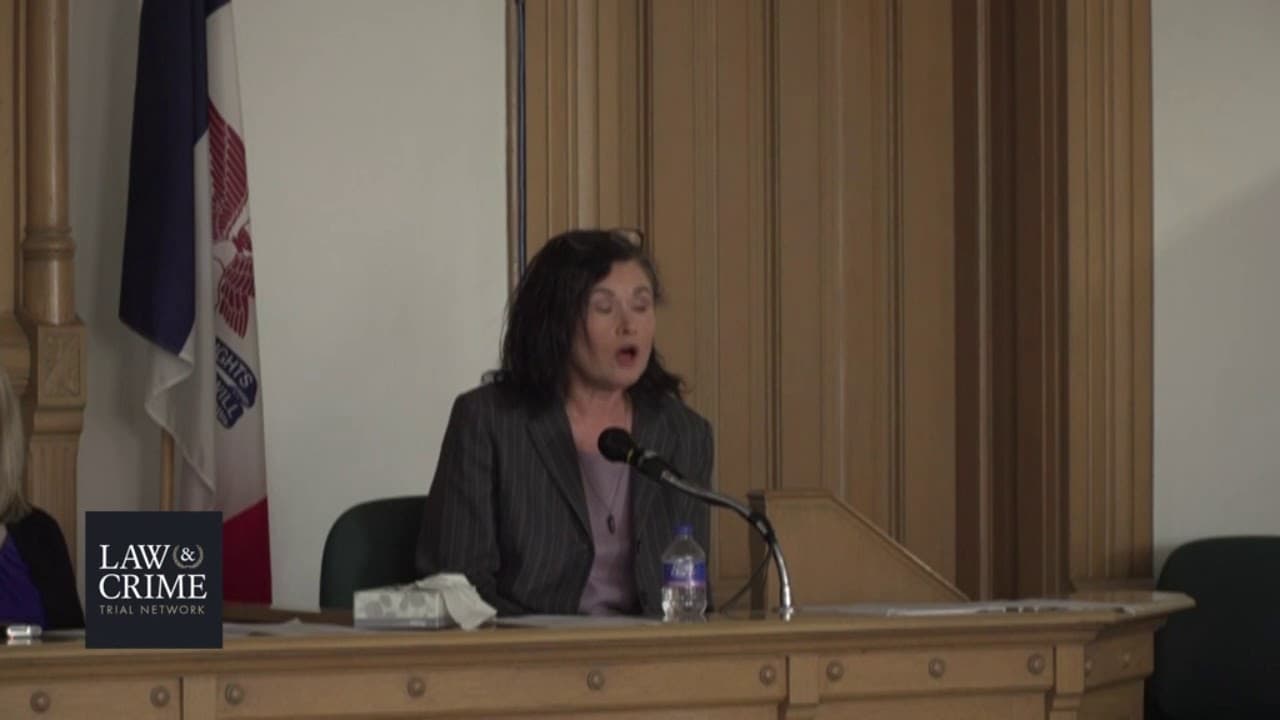
Kelsie Thomas Trial Day 2 - Dr Michele Catellier - Medical Examiner Part 2
TL;DR
Deciphering forensic autopsy findings to understand causes of injuries in children.
Transcript
well it depends on the kind of autopsy when it comes to injuries children do have more elastic skin and soft tissue and so sometimes some injuries don't tend to occur as obviously as with adults one example is fractures their bones are elastic they have a greater component of cartilage and so they tend to bend a little more than adults do and and s... Read More
Key Insights
- 👶 Elastic skin and soft tissue in children result in subtle injuries like fractures compared to adults.
- 🖐️ Ligature furrows play a crucial role in determining the type of asphyxiation, whether hanging or strangulation.
- 🤕 Petechiae are indicative of asphyxiation deaths, occurring due to blood blockage in the head during pressure or compression incidents.
- 👶 Child autopsy findings require detailed examination of neck injuries to ascertain causes of ligature furrows and hemorrhages.
- 🥺 Accurate scene reconstruction and historical data assist forensic pathologists in piecing together the sequence of events leading to child deaths.
- 🦻 Insights from ligature furrows, neck injuries, and associated findings aid in analyzing accidental hanging versus intentional strangulation incidents.
- 🏣 Assessing post-mortem artifacts and distinguishing them from genuine injuries is crucial for accurate forensic pathology conclusions.
Install to Summarize YouTube Videos and Get Transcripts
Explore YouTube Video Summarizer or Get YouTube Transcript Extractor
Questions & Answers
Q: How do injuries in children differ from adults during autopsies?
In children, injuries are less pronounced due to their more elastic skin and soft tissue composition, leading to fewer fractures compared to adults. Children's connective tissues hold structures tighter, resulting in less pronounced injuries overall.
Q: What are petechiae, and how are they related to asphyxiation deaths?
Petechiae are pinpoint hemorrhages seen in adults with pressure or compression of the chest or neck during asphyxiation deaths. They occur due to blocked blood drainage from the head, causing blood to accumulate in tiny capillaries near the skin.
Q: What insights can ligature furrows provide during autopsies?
Ligature furrows can reveal the type of asphyxiation, whether hanging or strangulation, based on their position, depth, and characteristics. Upwardly canted furrows are typical in hanging deaths, aiding in forensic pathology analysis.
Q: How do forensic pathologists differentiate accidental hanging from intentional strangulation?
Pathologists assess injury patterns, hemorrhages, and evidence of struggle in the neck area to distinguish accidental hanging from intentional strangulation. Fractures in the neck or deep muscle injuries can indicate inflicted harm rather than suicide.
Summary & Key Takeaways
-
Autopsy findings in children differ from adults due to their elastic skin and soft tissue characteristics.
-
Injuries like fractures are less common in children due to their flexible bones.
-
Detailed examination of ligature furrows and markings aid in determining asphyxiation causes.
Read in Other Languages (beta)
Share This Summary 📚
Summarize YouTube Videos and Get Video Transcripts with 1-Click
Try YouTube Summary with ChatGPT & Claude or YouTube Transcript Generator
Explore More Summaries from Law&Crime Network 📚





Summarize YouTube Videos and Get Video Transcripts with 1-Click
Try YouTube Summary with ChatGPT & Claude or YouTube Transcript Generator