Do Reciprocal Links Hurt Your SEO? (Link Building Study)
TL;DR
Reciprocal links are common but don't necessarily harm SEO.
Transcript
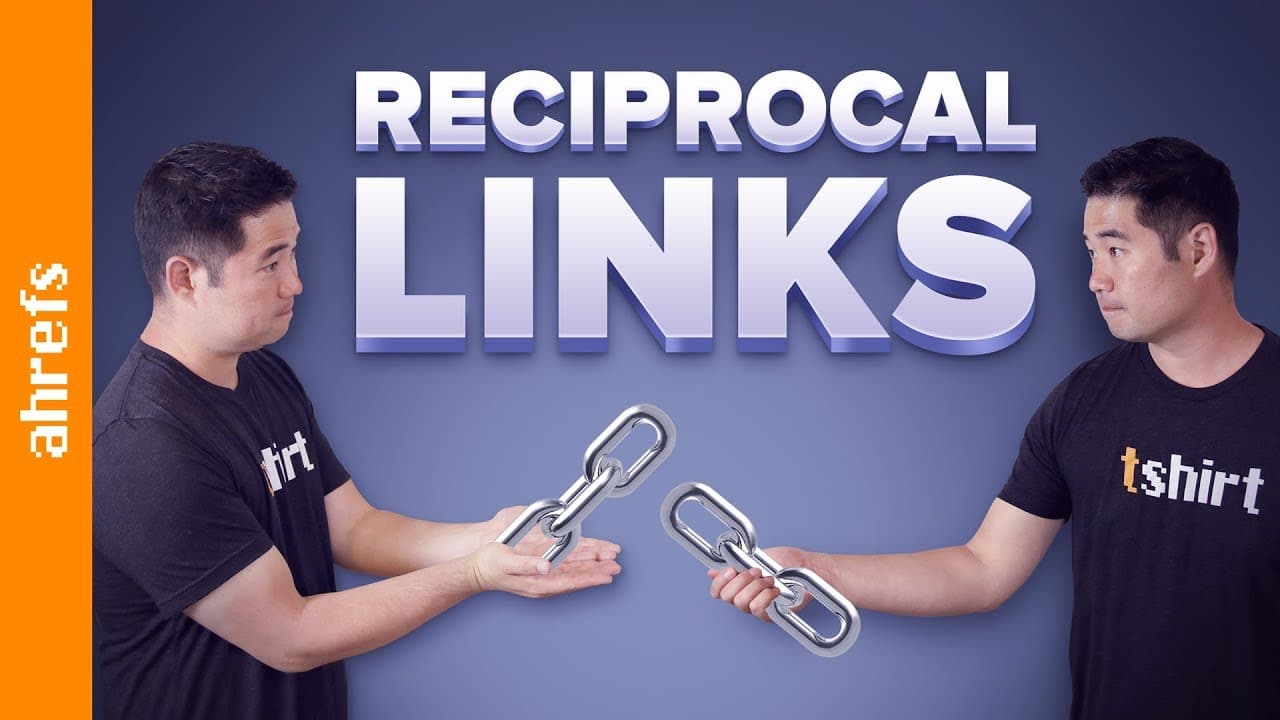
Reciprocal link building is one of the oldest tricks in the bag. You link to me, and I'll link to you. But this is against Google's Webmaster Guidelines. In fact, they list "excessive link exchanges" as an example of a link scheme. So the question is, how many websites have reciprocal links, and more importantly... are they hurting their organic r... Read More
Key Insights
- Reciprocal link building, a common practice, is listed as a link scheme by Google's Webmaster Guidelines, raising concerns about its impact on SEO.
- A study of 140,000 websites revealed that 73.6% had reciprocal links, indicating their widespread presence across the web.
- Analysis of top-ranking pages for various queries showed 43.7% had reciprocal links, suggesting they are a natural web byproduct.
- While direct link exchanges are against Google's guidelines, linking naturally to valuable content, even if reciprocal, is generally safe.
- Building relationships through outreach is crucial; offering value first is more effective than asking for favors outright.
- Effective outreach involves identifying frequently linked domains, indicating genuine interest, and establishing connections with their owners.
- Outreach emails should focus on providing value and building relationships, not merely soliciting links or favors.
- Reciprocal links often result from genuine relationships, emphasizing the importance of networking within the industry for SEO success.
Install to Summarize YouTube Videos and Get Transcripts
Explore YouTube Video Summarizer or Get YouTube Transcript Extractor
Questions & Answers
Q: What is the main concern with reciprocal link building?
Reciprocal link building is considered a link scheme by Google's Webmaster Guidelines, which raises concerns about its potential negative impact on SEO. Excessive link exchanges are discouraged as they can be seen as attempts to manipulate search rankings artificially.
Q: How common are reciprocal links among websites?
Reciprocal links are quite common, with 73.6% of the 140,000 websites studied having outgoing links to at least one domain that links back to them. This indicates that reciprocal links are a widespread phenomenon across the web.
Q: Do reciprocal links affect the rankings of top pages?
The study found that 43.7% of top-ranking pages for various queries had reciprocal links, suggesting that these links are a natural byproduct of the web and do not necessarily harm the rankings of these pages.
Q: Should websites engage in link exchanges?
Websites should avoid direct link exchanges as they are against Google's guidelines. However, linking to valuable content, even if it results in a reciprocal link, is generally safe if it provides value to the audience.
Q: What is the recommended strategy for building links?
The recommended strategy is to build relationships through outreach. This involves identifying domains you frequently link to, establishing connections with their owners, and focusing on providing value in your interactions rather than just asking for links.
Q: How can you identify potential outreach targets?
Use tools like Ahrefs to identify domains you frequently link to and those linking back to you. This helps in identifying potential outreach targets who already appreciate your content, making them more receptive to building a relationship.
Q: What should be the focus of outreach emails?
Outreach emails should focus on providing value and building genuine relationships rather than merely soliciting links or favors. This approach fosters mutual respect and increases the likelihood of reciprocal actions in the future.
Q: Why are reciprocal links often a result of genuine relationships?
Reciprocal links often occur naturally due to genuine relationships where both parties appreciate each other's content. This emphasizes the importance of networking and building meaningful connections within the industry for successful link building.
Summary & Key Takeaways
-
Reciprocal links are prevalent, with 73.6% of studied websites having such links. Despite being against Google's guidelines, they are often naturally occurring and don't necessarily harm SEO. The key is to focus on genuine relationships and providing value.
-
The study found that 43.7% of top-ranking pages had reciprocal links, indicating they are a natural part of the web. While direct link exchanges should be avoided, linking to valuable content, even reciprocally, is generally safe.
-
Building relationships through outreach is crucial for effective link building. Identify frequently linked domains to establish connections, and focus on providing value in outreach emails to foster genuine relationships and potential reciprocal links.
Read in Other Languages (beta)
Share This Summary 📚
Summarize YouTube Videos and Get Video Transcripts with 1-Click
Try YouTube Summary with ChatGPT & Claude or YouTube Transcript Generator
Explore More Summaries from Ahrefs 📚





![Why Your Blog Content Has to be Great [6.1] thumbnail](/_next/image?url=https%3A%2F%2Fi.ytimg.com%2Fvi%2F4qPaHyOQA9c%2Fhqdefault.jpg&w=750&q=75)
Summarize YouTube Videos and Get Video Transcripts with 1-Click
Try YouTube Summary with ChatGPT & Claude or YouTube Transcript Generator