A Microscopic Tour of Death | Compilation
TL;DR
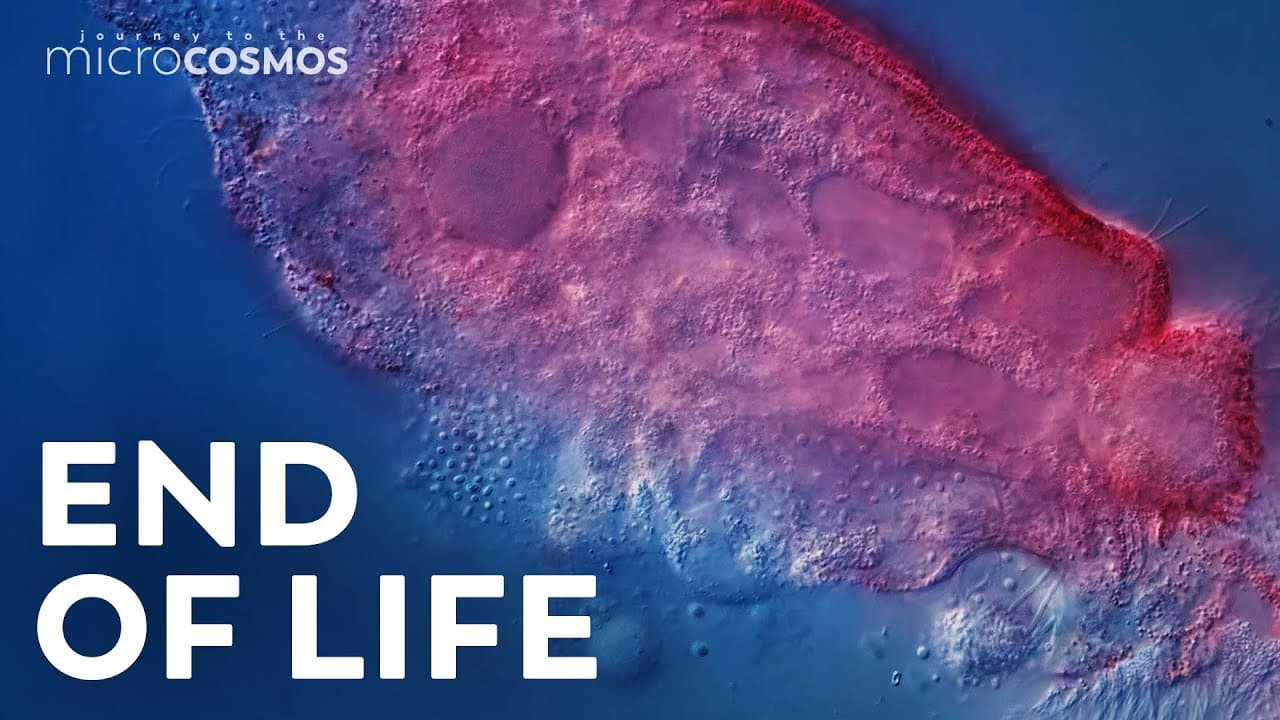
Microbes experience death through various means, from slow decay to explosive bursts caused by UV light. Understanding these deaths sheds light on microbial interactions and the natural order of life.
Transcript
As strange as the creatures of the microcosmos are, their lives still revolve around the same fundamentals that ours do. There’s food, there's reproduction, and there's death. Yes, even microbes, hardy as they can be, experience death. In some ways, you could say they invented it. And on our journey through the microcosmos, we’ve watched those de... Read More
Key Insights
- 😋 Microbes, despite their small size, experience death in various ways, reflecting the fundamentals of life such as food, reproduction, and predation.
- 😀 The natural order of things dictates that both predators and prey in the microcosmos face death, and the interplay between them shapes microbial survival strategies.
- 💦 Death can occur due to environmental factors like temperature, oxygen levels, and water quality, affecting the delicate balance of microbial ecosystems.
- 🙂 Phototoxicity, caused by intense UV light, can swiftly lead to microbial death by triggering the production of reactive oxygen species and cell damage.
Install to Summarize YouTube Videos and Get Transcripts
Explore YouTube Video Summarizer or Get YouTube Transcript Extractor
Questions & Answers
Q: How do microbes experience death?
Microbes can experience death through slow decay, bursting, or being consumed by predators. Environmental factors and phototoxicity can also cause microbial death.
Q: What are some environmental factors that can lead to microbial death?
Changes in temperature, oxygen levels, pH, and water quality can all contribute to microbial death.
Q: How does phototoxicity cause microbial death?
Phototoxicity occurs when intense UV light triggers the production of reactive oxygen species, causing cell damage and ultimately leading to microbial death.
Q: Why is it important to understand microbial death?
Understanding microbial death provides insights into microbial interactions, their environment, and the natural order of life.
Key Insights:
- Microbes, despite their small size, experience death in various ways, reflecting the fundamentals of life such as food, reproduction, and predation.
- The natural order of things dictates that both predators and prey in the microcosmos face death, and the interplay between them shapes microbial survival strategies.
- Death can occur due to environmental factors like temperature, oxygen levels, and water quality, affecting the delicate balance of microbial ecosystems.
- Phototoxicity, caused by intense UV light, can swiftly lead to microbial death by triggering the production of reactive oxygen species and cell damage.
- By studying microbial death, scientists can gain knowledge about microbial interactions, environmental influences, and the intricate connections that exist in the microcosmos.
Summary & Key Takeaways
-
Microbes experience death in different ways, including slow decay, bursting, and being consumed by predators.
-
Environmental factors such as changes in temperature, oxygen levels, and pH can lead to microbial death.
-
Phototoxicity, caused by intense UV light, can cause microbes to swell and burst.
Read in Other Languages (beta)
Share This Summary 📚
Summarize YouTube Videos and Get Video Transcripts with 1-Click
Try YouTube Summary with ChatGPT & Claude or YouTube Transcript Generator
Explore More Summaries from Journey to the Microcosmos 📚
Summarize YouTube Videos and Get Video Transcripts with 1-Click
Try YouTube Summary with ChatGPT & Claude or YouTube Transcript Generator