What to Know About Renovating a 1786 Colonial Home?
TL;DR
Renovating an 1786 colonial home involves addressing moisture issues, structural concerns, and updating mechanical systems. While the house retains historical charm, expected renovation costs range from $300,000 for basic livability to over $1 million for extensive modernization and expansions.
Transcript
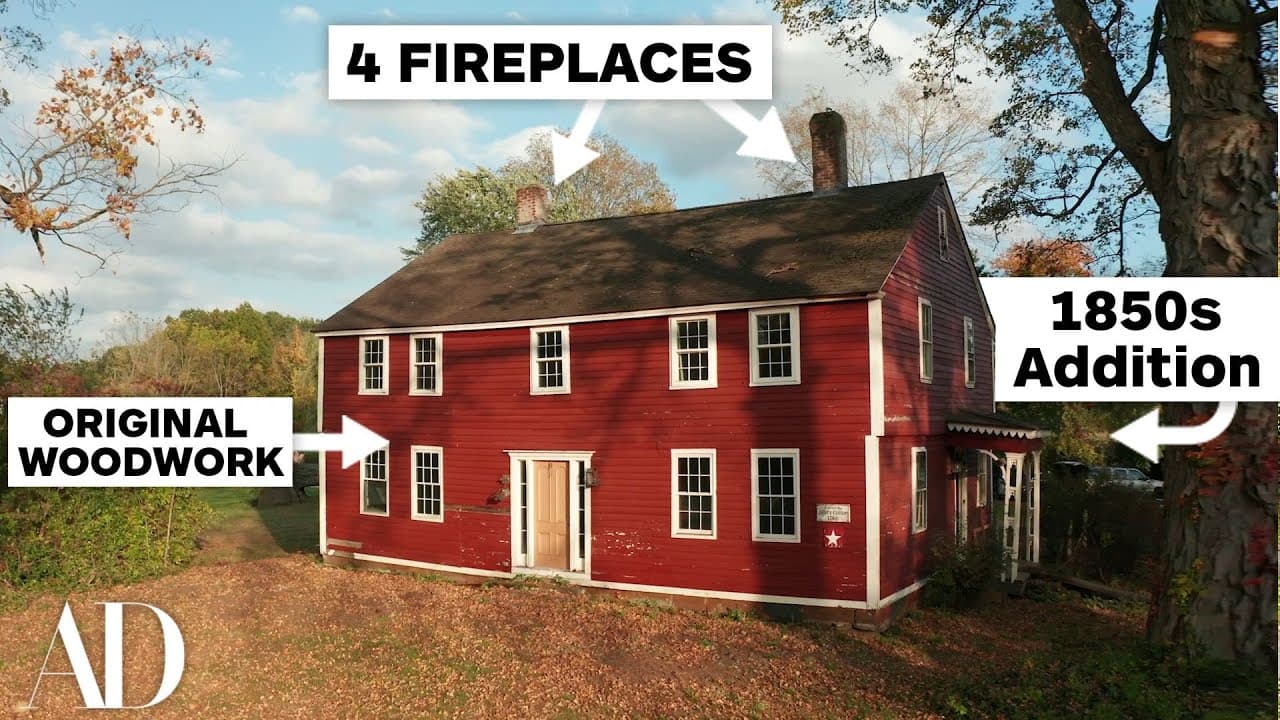
i'm in longmeadow massachusetts and i'm standing in front of a colonial home built in 1786. this house has four bedrooms two bathrooms and it's for sale for 235 000. with enough improvements this house could sell for north of 1 million first impressions obviously this house has seen you know a number of renovations over the years there's random pie... Read More
Key Insights
- 🤗 The colonial home's historical features, such as hand-cut nails and traditional joinery, add character and charm.
- 🇲🇩 Moisture issues, including mold and mildew, are common in older homes due to their lack of airtightness and insulation.
- 🥶 Renovating an old home can range from addressing structural concerns to complete modernization, with costs varying accordingly.
- 🤩 Balancing preservation and modernization is key in maintaining the historical integrity while meeting the needs of modern living.
- 🥶 Upgrading mechanical systems, plumbing, electrical, and HVAC is essential for making an old home livable.
Install to Summarize YouTube Videos and Get Transcripts
Explore YouTube Video Summarizer or Get YouTube Transcript Extractor
Questions & Answers
Q: What are some common structural concerns in old homes like this colonial house?
In older homes, structural concerns can include uneven floors, sagging staircases, cracked plaster, and damaged millwork. These issues often require professional attention to ensure safety and stability.
Q: How can moisture issues like mold and mildew be addressed in an old home?
To address moisture issues, it is essential to understand the root cause. Hiring a specialist to identify and handle potential lead paint is crucial. Additionally, improving ventilation, addressing leaks, and properly insulating the home can help control moisture levels and mitigate mold and mildew growth.
Q: What are the options for renovating the floors in the house?
There are two main options for renovating the floors. One option is to embrace the charm and character of the uneven floors, reinforcing them to ensure structural integrity. The other option is to remove the floors and install a new, level surface, which could be a more costly and extensive renovation project.
Q: How can the back addition be transformed into modern living space?
The back addition presents an opportunity to create a modern kitchen, dining, and living space. By removing existing elements, like the massive fireplace, shrinking it down, and reconfiguring the layout, the addition can be transformed into a more functional and contemporary area.
Summary & Key Takeaways
-
The colonial home, built in 1786, is in need of renovations and has four bedrooms, two bathrooms, and potential for significant value increase.
-
The house displays signs of previous renovations, including hand-cut nails, uneven floors, and cracked plaster.
-
Moisture issues, such as mold and mildew, are present in some areas, and addressing these concerns is crucial for making the house livable.
Read in Other Languages (beta)
Share This Summary 📚
Summarize YouTube Videos and Get Video Transcripts with 1-Click
Try YouTube Summary with ChatGPT & Claude or YouTube Transcript Generator
Explore More Summaries from Architectural Digest 📚






Summarize YouTube Videos and Get Video Transcripts with 1-Click
Try YouTube Summary with ChatGPT & Claude or YouTube Transcript Generator