How generational stereotypes hold us back at work | Leah Georges
TL;DR
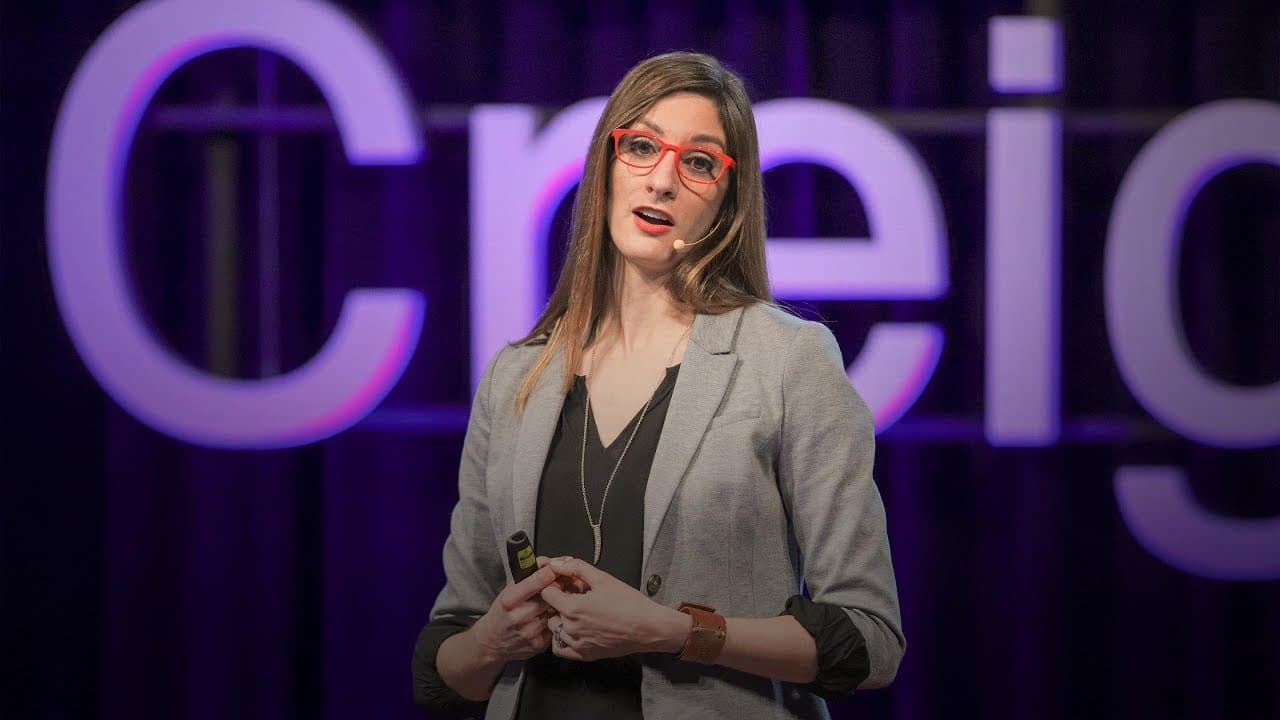
In this content, the author challenges the notion of generational cohorts and emphasizes the need to meet individuals where they are in the multigenerational workplace.
Transcript
Translator: Ivana Korom Reviewer: Krystian Aparta So, for the first time in America's modern history, we have five generations interacting at work. The veterans, born between 1922 and 1943, are known as the Greatest Generation, the matures, the silents. They're known for their self-sacrifice, respect for authority and work as its own reward. The bo... Read More
Key Insights
- 🌍 The modern American workforce consists of five generations: veterans, boomers, Gen X, millennials, and Gen Z, each with their own characteristics and values.
- 🔍 The idea of distinct generational cohorts is not universally agreed upon across the world and even within the United States. The definitions and stereotypes of each generation vary.
- 🌟 Organizational focus on managing generational diversity may be misguided and lead to the reinforcement of stereotypes and expectations. Individuals within each generation are more similar than different.
- ⚙️ Organizations should focus on meeting individuals where they are, embracing their unique experiences and perspectives, rather than relying on generational labels.
- 💼 Flexibility and curiosity are key in understanding the needs and motivations of individuals in the workplace. By meeting people in their "onlyness," organizations can create a more inclusive and enriching work environment.
- ⚖️ There is no need to argue about which generation is superior or more problematic. It is essential to acknowledge and appreciate the diverse contributions each individual brings to the workplace.
- 💡 Building relationships and understanding between generations can be achieved through individualized approaches and mutual respect, rather than attempting to simplify complex generational dynamics.
- ❌ Stereotypes and superficial solutions, such as wearing shoulder pads or implementing ball pits, are not the answer to navigating the multigenerational workplace. A genuine effort to understand and connect with others is more valuable.
Install to Summarize YouTube Videos and Get Transcripts
Explore YouTube Video Summarizer or Get YouTube Transcript Extractor
Questions & Answers
Q: What are the different generations mentioned in the video?
The different generations mentioned in the video are the veterans (born between 1922 and 1943), the baby boomers (born between 1944 and 1960), Generation X (born between 1961 and 1980), millennials (born between 1981 and 2000), and Generation Z (born since 2000).
Q: What are some characteristics of the veterans generation?
The veterans generation, also known as the Greatest Generation or the matures, is known for their self-sacrifice, respect for authority, and considering work as its own reward.
Q: How are baby boomers characterized?
Baby boomers are characterized by hard work and are often associated with the term "workaholic." They appreciate competition and effective communication. Many of them are thinking towards retirement or have already retired.
Q: What are some defining characteristics of Generation X?
Generation X, also known as the lost generation or the latchkey generation, is the smallest generation sandwiched between the baby boomers and millennials. They were the first generation to advocate for work-life balance and were more likely to have divorced parents. They sought a better balance between work and personal life.
Q: What are some characteristics of millennials?
Millennials, born between 1981 and 2000, are characterized as the everybody-gets-a-ribbon generation. They have grown up with technology and are known for being pragmatic, hopeful, and determined. They often believe they can change the world. In recent years, millennials have become the most represented generation in the US labor force.
Q: What is the speaker's viewpoint on the existence of these generational groups?
The speaker questions the existence of these generational groups and whether they are real. She points out that different areas of the world define generations differently, and there is no consensus on who belongs in each generation. The stereotypes about each generation have created a self-fulfilling prophecy, causing people to act as if they are part of a certain generation.
Q: What is the speaker's main message regarding managing a multigenerational workplace?
The speaker suggests that instead of focusing on generational cohorts, organizations should meet people where they are individually. She encourages understanding and empathy, emphasizing that people are more similar than different. By acknowledging and appreciating each person's unique experiences and contributions, organizations can create a more inclusive and thriving multigenerational workplace.
Summary & Key Takeaways
-
There are five generations currently in the modern American workforce: veterans, boomers, Generation X, millennials, and Generation Z.
-
Generations are not clearly defined and have different characteristics depending on who you ask and where you are in the world.
-
Instead of focusing on generational differences, organizations should meet individuals where they are and appreciate the unique strengths and perspectives they bring to the workplace.
Read in Other Languages (beta)
Share This Summary 📚
Summarize YouTube Videos and Get Video Transcripts with 1-Click
Try YouTube Summary with ChatGPT & Claude or YouTube Transcript Generator
Explore More Summaries from TED 📚



Summarize YouTube Videos and Get Video Transcripts with 1-Click
Try YouTube Summary with ChatGPT & Claude or YouTube Transcript Generator