The Secret Global Sewer System
TL;DR
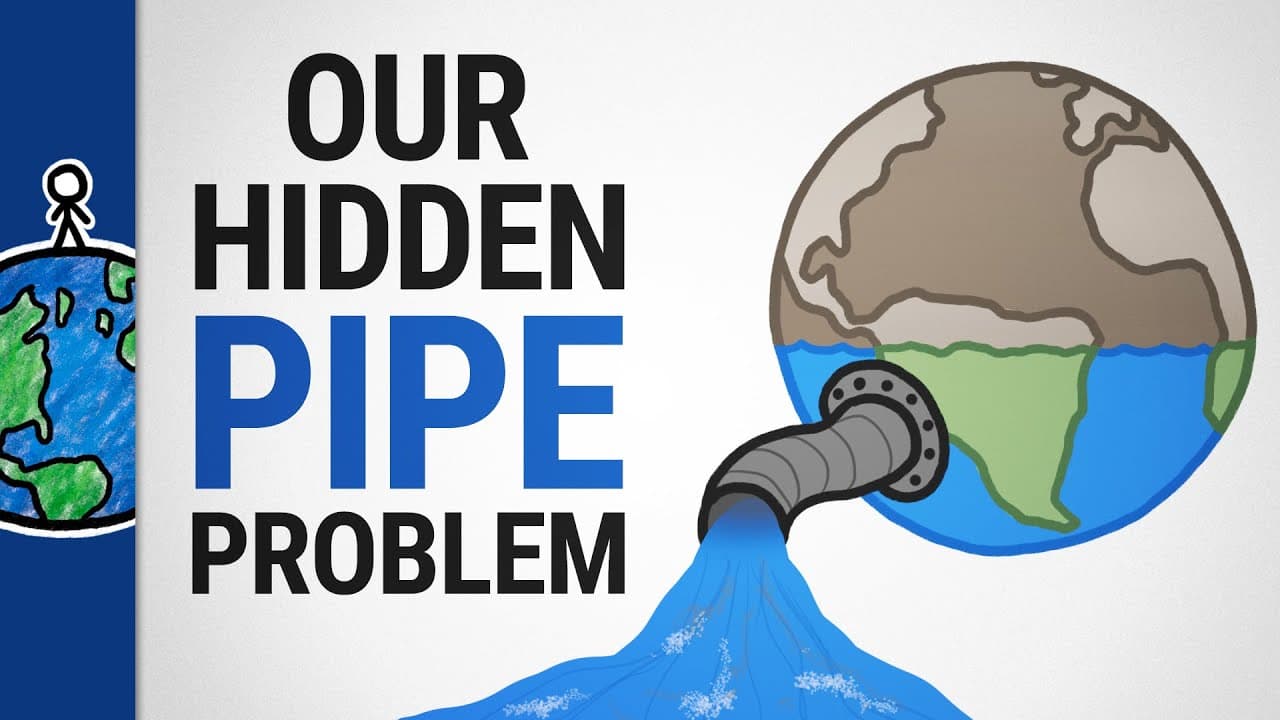
Farmers use a significant amount of water for agriculture, but excessive water can harm crops, leading to drainage efforts. However, drainage causes flooding and pollution, and it also contributes to the loss of valuable wetlands.
Transcript
Hi, this is Alex from MinuteEarth. Farmers are obsessed with water. It makes sense - their livelihoods depend on crops that will die without enough water. So lots of farmers buy expensive equipment to pump tons of water to their fields. In fact, of all the water humans use, 70% is for agriculture. But here's an even crazier thing - lots of farmers ... Read More
Key Insights
- 💦 Agriculture is the largest consumer of water, with 70% of human water usage dedicated to this sector.
- 💦 Drainage systems in agriculture help prevent crop damage from excessive water, but they contribute to environmental issues like flooding and pollution.
- 🧑🌾 Farmers can reduce pollution by applying fertilizers and pesticides more effectively and implementing filtration systems.
- 🍉 The loss of wetlands due to drainage poses long-term consequences for preventing floods and maintaining water quality.
- 💦 The University of Minnesota is actively involved in research and solutions to address clean water and sustainable ecosystem challenges.
- ❓ Strategic restoration of wetlands can greatly enhance their pollution removal capabilities.
- 💦 Researchers are studying bacteria that can effectively remove chemicals from water passing through woodchip trenches.
Install to Summarize YouTube Videos and Get Transcripts
Explore YouTube Video Summarizer or Get YouTube Transcript Extractor
Questions & Answers
Q: Why do farmers need to pump a large amount of water to their fields?
Farmers require adequate water for their crops' growth and survival. Insufficient water can lead to crop failure and financial losses.
Q: How does excessive water in the soil harm plants?
Excessive water in the soil can drown the plant roots, depriving them of oxygen and causing the entire plant to die. It also results in compacted soil and limited root growth.
Q: How does drainage impact water bodies and ecosystems?
Drainage systems allow excess water to reach nearby rivers and streams, contributing to floods. The water carries chemicals like fertilizers and pesticides, polluting water bodies and harming aquatic life.
Q: What is the consequence of converting wetlands into farmlands?
Wetlands play a vital role in preventing floods and filtering water. Converting wetlands into farmlands reduces their capacity to perform these functions and disrupts ecosystems.
Summary & Key Takeaways
-
Farmers heavily rely on water for their crops, but excess water can drown plant roots and reduce soil productivity.
-
To mitigate these issues, farmers implement drainage systems to remove excess water and create better conditions for crops.
-
However, drainage leads to increased flood risks, pollution in water bodies, and the loss of wetlands.
Read in Other Languages (beta)
Share This Summary 📚
Summarize YouTube Videos and Get Video Transcripts with 1-Click
Try YouTube Summary with ChatGPT & Claude or YouTube Transcript Generator
Explore More Summaries from MinuteEarth 📚





Summarize YouTube Videos and Get Video Transcripts with 1-Click
Try YouTube Summary with ChatGPT & Claude or YouTube Transcript Generator