What Is Déjà Vu and Why Does It Happen?
TL;DR
Déjà vu is the eerie sensation that a current experience feels familiar as if it has happened before. This phenomenon occurs when the brain's processes for familiarity and memory recall become misaligned, potentially due to delays in visual processing or neurological glitches. It is most commonly experienced by people in their teens and twenties and tends to diminish after age 25.
Transcript
♪ Intro ♪ I think the French must pay more attention to all the weird little tricks their brains plays on them, because they've got all the cool terminology. Take, for instance, "jamais vu", or "never seen", the feeling you get when something familiar seems suddenly new and bizzare, like when you look at the word "hand", and it used to be the word ... Read More
Key Insights
- 🖖 Déjà vu is a common phenomenon that has puzzled scientists for a long time.
- 🤩 The brain's processes of familiarity and recall play a key role in experiencing déjà vu.
- 🖖 There are multiple theories, including delayed visual processing and glitches in familiarity and recall, attempting to explain why déjà vu occurs.
- 🤕 Déjà vu is more prevalent in certain age groups, with the frequency decreasing after the age of 25.
- 🖖 Research is ongoing to further understand the underlying mechanisms behind déjà vu.
- 🖖 Déjà vu is a fascinating subject for neuroscience and psychological studies.
- 🖖 The French have specific terms, such as jamais vu and presque vu, for different types of memory-related experiences.
Install to Summarize YouTube Videos and Get Transcripts
Explore YouTube Video Summarizer or Get YouTube Transcript Extractor
Questions & Answers
Q: What is déjà vu?
Déjà vu is the feeling of experiencing something that is familiar and has happened before, even though it is happening right now and hasn't actually occurred previously.
Q: How does the brain process familiarity and recall?
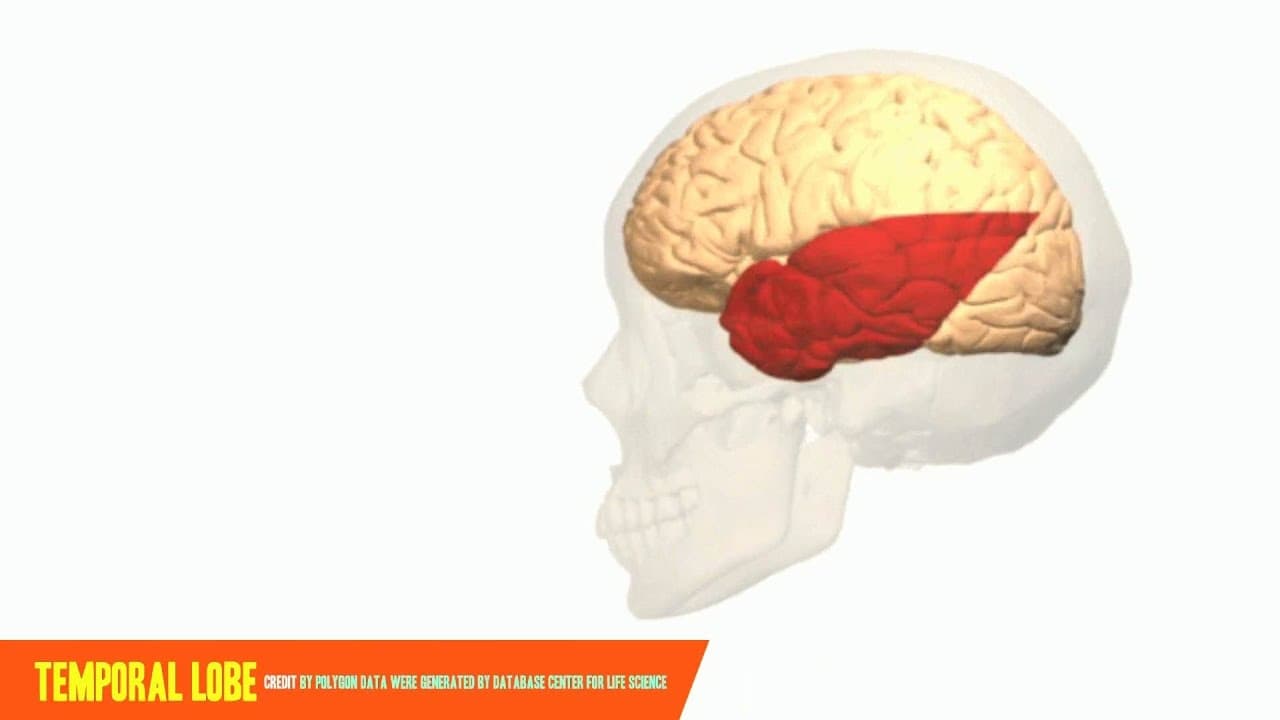
The region in the middle of the temporal lobe recognizes something as familiar, while the hippocampus, located inside the temporal lobe, recalls the memory associated with it.
Q: Why do some people experience déjà vu more frequently than others?
Déjà vu tends to be more common in teenagers and young adults and decreases after the age of 25. The reasons for this variation are not fully understood.
Q: Can déjà vu be a result of visual processing delays?
One theory suggests that delays in visual image processing, with one eye's input arriving microseconds after the other eye's input, may contribute to the sensation of déjà vu.
Summary & Key Takeaways
-
Déjà vu is the sensation of familiarity when something seems suddenly new and bizarre, like a word or an event.
-
The brain processes familiarity and recall of memories, and when these processes get out of sync, it can lead to déjà vu.
-
There are several theories about why déjà vu happens, including delays in visual image processing and glitches in familiarity and recall processes.
Read in Other Languages (beta)
Share This Summary 📚
Summarize YouTube Videos and Get Video Transcripts with 1-Click
Try YouTube Summary with ChatGPT & Claude or YouTube Transcript Generator
Explore More Summaries from SciShow 📚


Summarize YouTube Videos and Get Video Transcripts with 1-Click
Try YouTube Summary with ChatGPT & Claude or YouTube Transcript Generator