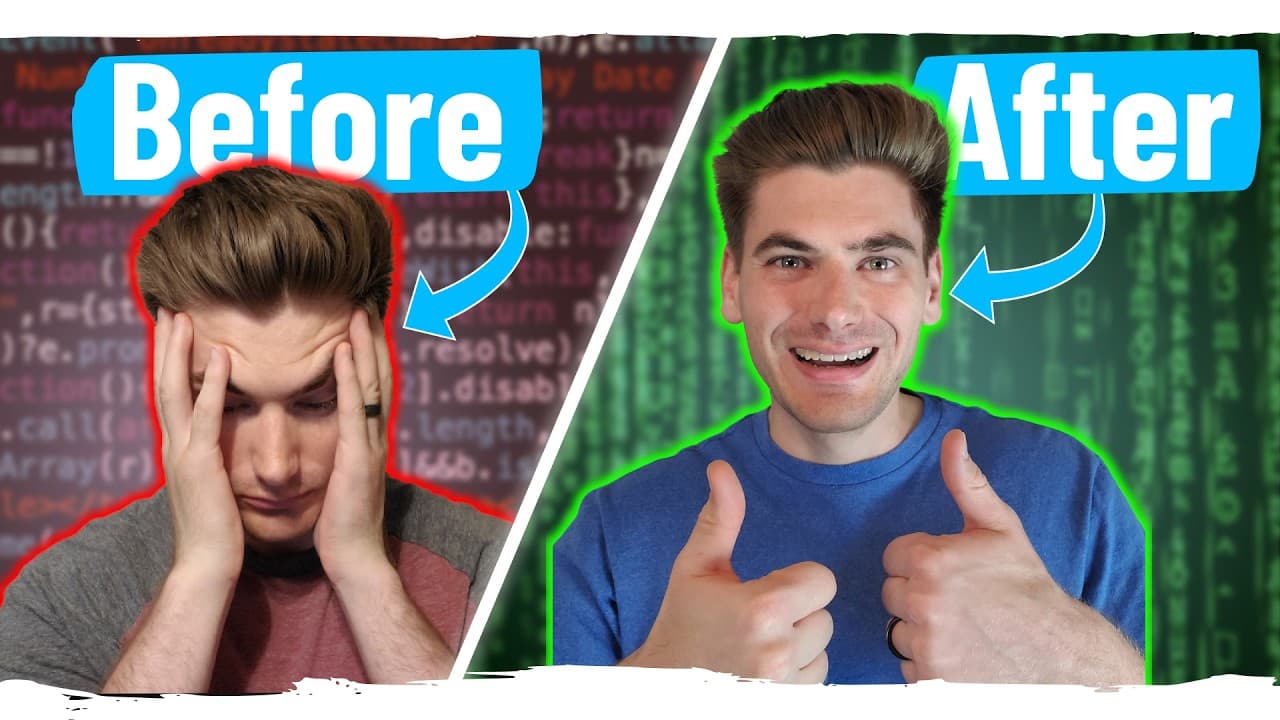
If You Feel Burnt Out Do This
TL;DR
Learn tips to avoid and recover from programming burnout.
Transcript
do you ever feel incredibly unmotivated and not wanting to continue on a project or something that you're working on even things that used to really excite you and make you want to just dive into them for hours on end now just thinking about spending time on it makes you dread the thought of actually having to do that this feeling is called... Read More
Key Insights
- Burnout is common in programming due to the expectation of continuous coding outside work hours, leading to exhaustion.
- Adopting a seasonal approach to programming can help manage workload and prevent burnout by balancing intense and relaxed periods.
- Taking breaks after completing major projects is crucial to avoid burnout and maintain long-term motivation.
- Engaging in activities that develop problem-solving skills, even outside programming, can help maintain interest and prevent burnout.
- Having hobbies outside of programming provides a necessary mental break and helps sustain long-term interest in coding.
- Reducing workload during burnout is essential, focusing only on minimum tasks to gradually restore motivation.
- Understanding that others may not be working as intensely as they appear can alleviate pressure and guilt about taking breaks.
- There is no time limit to becoming a programmer; pacing oneself can prevent burnout and increase the likelihood of success.
Install to Summarize YouTube Videos and Get Transcripts
Explore YouTube Video Summarizer or Get YouTube Transcript Extractor
Questions & Answers
Q: What is the main cause of burnout in programming?
The main cause of burnout in programming is the excessive workload, including the expectation to engage in side projects and coding activities outside of regular work hours. This continuous demand can lead to physical and mental exhaustion, making it difficult to maintain motivation and enthusiasm for programming.
Q: How can a seasonal approach help prevent burnout?
A seasonal approach involves alternating between periods of intense focus on programming and more relaxed phases. This method allows individuals to capitalize on high motivation periods without overextending themselves. By incorporating breaks and lighter workloads, programmers can recharge and sustain their passion for coding over the long term.
Q: Why is it important to have hobbies outside of programming?
Having hobbies outside of programming is crucial because it provides a mental break from coding and helps prevent burnout. Engaging in different activities can reignite one's passion for programming, offering a fresh perspective and renewed energy. Hobbies also contribute to a balanced lifestyle, promoting overall well-being and preventing monotony.
Q: What should you do if you feel burnt out?
If you feel burnt out, it's important to drastically reduce your workload, focusing only on essential tasks. This allows you to recover and gradually regain your interest in programming. Avoid pushing through burnout, as it can lead to long-term disinterest. Instead, take time to rest and engage in activities that rejuvenate your enthusiasm.
Q: How can problem-solving activities outside of coding help prevent burnout?
Engaging in problem-solving activities outside of coding can help prevent burnout by maintaining cognitive engagement without the pressure of programming. These activities develop critical thinking and analytical skills, which are transferable to coding. By diversifying tasks, individuals can enjoy a mental break while still honing skills relevant to programming.
Q: What is the risk of comparing yourself to others in terms of workload?
Comparing yourself to others in terms of workload can lead to unnecessary pressure and guilt, especially if it seems like others are working harder. It's important to recognize that appearances can be deceiving, and many may not be as productive as they seem. Understanding this can alleviate stress and promote a healthier work-life balance.
Q: Why is there no time limit on becoming a programmer?
There is no time limit on becoming a programmer because the learning journey varies for each individual. Rushing through the process can lead to burnout and hinder long-term success. By pacing oneself and allowing for breaks, aspiring programmers can maintain their passion and increase their chances of achieving their goals without compromising their well-being.
Q: How can taking breaks after major projects benefit programmers?
Taking breaks after major projects allows programmers to recover from the intense focus and effort required. These breaks prevent burnout by providing mental rest and time to recharge. They also offer an opportunity to reflect on achievements, plan future projects, and reignite enthusiasm, ensuring sustained motivation and productivity in the long run.
Summary & Key Takeaways
-
Burnout in programming arises from excessive workloads, including expectations to code outside regular job hours. This video offers practical tips to prevent and recover from burnout, emphasizing a balanced approach to work and leisure.
-
Adopting a seasonal work approach, where intense programming periods are followed by breaks, can help manage workload effectively. Engaging in non-coding problem-solving activities maintains interest and prevents burnout.
-
Having diverse hobbies outside of programming is vital for mental health and sustained motivation. Reducing workload during burnout periods and understanding the true work pace of peers can alleviate stress and ensure long-term success.
Read in Other Languages (beta)
Share This Summary 📚
Summarize YouTube Videos and Get Video Transcripts with 1-Click
Try YouTube Summary with ChatGPT & Claude or YouTube Transcript Generator
Explore More Summaries from Web Dev Simplified 📚



Summarize YouTube Videos and Get Video Transcripts with 1-Click
Try YouTube Summary with ChatGPT & Claude or YouTube Transcript Generator