Is the Left Responsible for the Rise of the Right?
TL;DR
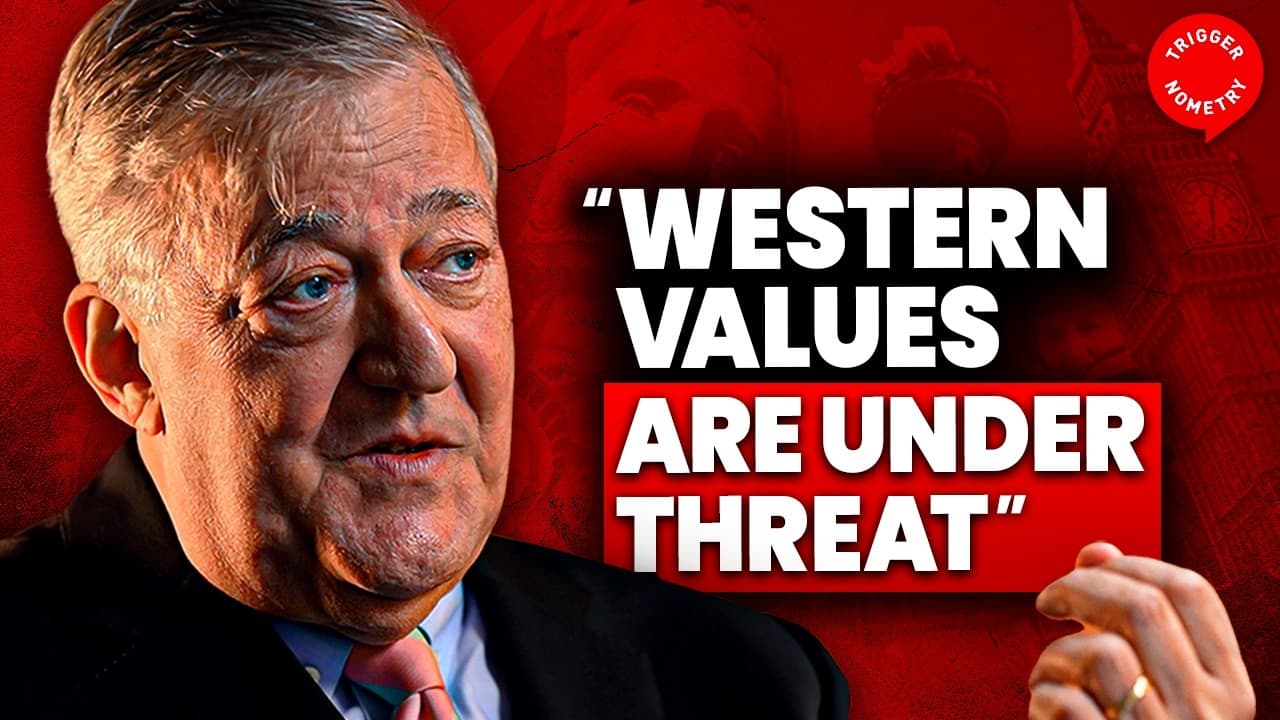
The rise of right-wing politics is largely attributed to the left's preference for being correct over effective, according to Stephen Fry. He argues for the value of free speech in creating a fairer society, while also noting that politeness should guide discourse. The discussion touches upon historical censorship and the complexities of identity politics, stressing the importance of empathy and understanding in contemporary conversations.
Transcript
there is something deeply deeply rotten in the state of Denmark what you stand for here on trigonometry is correct almost everything that I dislike about the rise of the right in America and here and in Europe I can say is probably the fault of the left the left's greatest sin seems to be and I speak as a sort of leftist is they would rathe... Read More
Key Insights
- Stephen Fry argues that the left's insistence on being right rather than effective has contributed to the rise of the right in politics. He believes the left's failure to communicate effectively with broader society has alienated many people.
- Free speech is a critical topic discussed, with Fry emphasizing that while it's important, it should not be the ultimate goal. The end goal should be a fairer and more just society, where free speech is a means to achieve equity and happiness.
- Fry criticizes the current trend of policing speech, especially through legal means, and finds it absurd. He shares an instance where he financially supported someone's legal battle over a tweet, highlighting the importance of defending free speech.
- The conversation touches on the historical context of censorship, comparing Victorian-era restrictions to modern-day political correctness. Fry notes that while offensive speech isn't criminal, good manners should guide public discourse.
- Fry reflects on the shifting dynamics of who dictates speech restrictions, noting that historically it was the conservative right, but now it's often the progressive left. He suggests that this shift has left many people confused about their ideological positions.
- The discussion explores the complexity of identity politics, particularly around issues like transgender rights. Fry advocates for empathy towards marginalized groups while also supporting the right to debate contentious issues openly.
- Fry discusses the role of art and literature in society, emphasizing their importance in helping people understand complex human experiences and emotions beyond political discourse.
- The conversation concludes with a reflection on British values, such as fairness and modesty, and how these cultural traits impact the nation's approach to current political and social issues.
Install to Summarize YouTube Videos and Get Transcripts
Explore YouTube Video Summarizer or Get YouTube Transcript Extractor
Questions & Answers
Q: What does Stephen Fry see as the left's greatest failure?
Stephen Fry believes the left's greatest failure is its tendency to prioritize being right over being effective. He argues that the left often communicates in a way that alienates people, focusing on ideological purity rather than practical solutions that resonate with a broader audience.
Q: How does Stephen Fry view the importance of free speech?
Stephen Fry views free speech as important but not the ultimate goal. He argues that free speech should be a means to achieve a fairer and more just society, where equity and happiness are the end goals. He believes that free speech is valuable because it contributes to these broader societal aims.
Q: What is Fry's stance on policing speech through legal means?
Stephen Fry is critical of policing speech through legal means, describing it as absurd. He shares an example where he financially supported someone's legal battle over a tweet, emphasizing the importance of defending free speech. Fry believes that legal restrictions on speech are counterproductive and undermine open discourse.
Q: How does Fry compare modern political correctness to historical censorship?
Fry compares modern political correctness to Victorian-era censorship, noting that while offensive speech isn't criminal, it is often seen as socially unacceptable. He argues that good manners should guide public discourse, and that society should be cautious about imposing restrictions on speech that echo past forms of censorship.
Q: What are Fry's thoughts on the shifting dynamics of speech restrictions?
Stephen Fry notes that historically, speech restrictions were imposed by the conservative right, but now they often come from the progressive left. He suggests that this shift has left many people confused about their ideological positions, as traditional boundaries between left and right have become blurred.
Q: How does Fry approach the topic of identity politics?
Fry approaches identity politics with a call for empathy, particularly towards marginalized groups like transgender individuals. He advocates for understanding and compassion while also supporting the right to debate contentious issues openly. Fry believes that it's possible to hold empathy and engage in substantive debate simultaneously.
Q: What role does Fry believe art and literature play in society?
Stephen Fry believes art and literature play a crucial role in helping people understand complex human experiences and emotions beyond political discourse. He argues that these forms of expression can embody and reify truths about life, death, pain, and other fundamental aspects of the human condition, offering insights that abstract political discussions cannot.
Q: What cultural values does Fry associate with being British?
Fry associates being British with values like fairness, modesty, and a disdain for braggadocio. He reflects on the British cultural tendency to avoid overt displays of patriotism and to value fair play and justice. Fry suggests that these traits impact how the British approach current political and social issues, often making them hesitant to engage in the kind of nationalistic rhetoric common in other countries.
Summary & Key Takeaways
-
Stephen Fry discusses the left's role in the rise of right-wing politics, emphasizing that the left's focus on being right over being effective has alienated many. He highlights the importance of free speech but argues it should serve broader societal goals like fairness and justice.
-
Fry criticizes the current policing of speech, sharing a personal story of supporting a legal case over a tweet. He compares modern political correctness to historical censorship, suggesting that while offensive speech isn't criminal, good manners should guide public discourse.
-
The conversation touches on identity politics and the importance of empathy, particularly regarding transgender rights. Fry also emphasizes the role of art and literature in understanding complex human experiences, and reflects on British cultural values like fairness and modesty.
Read in Other Languages (beta)
Share This Summary 📚
Summarize YouTube Videos and Get Video Transcripts with 1-Click
Try YouTube Summary with ChatGPT & Claude or YouTube Transcript Generator
Explore More Summaries from Triggernometry 📚
Summarize YouTube Videos and Get Video Transcripts with 1-Click
Try YouTube Summary with ChatGPT & Claude or YouTube Transcript Generator