The Economy of Westeros
TL;DR
Explores the economic realism in Game of Thrones' Westeros.
Transcript
this is Westeros the fictional nation that is home to a majority of the story of Game of Thrones an ongoing book series and wildly popular TV show I am an avid reader of both the books and was a fanatic watcher of the show but it wasn't the incredible action sequences or high stakes political intrigue or even Emilia Clarke that kept me interested i... Read More
Key Insights
- Westeros is depicted as a feudal economy, where most citizens work in agriculture under local lords, reflecting medieval England.
- Private enterprises in Westeros are limited to brothels, smithies, and inns, showing a lack of industrialization.
- The economy lacks specialization and trade due to constant warfare, limiting economic efficiencies and regional specialization.
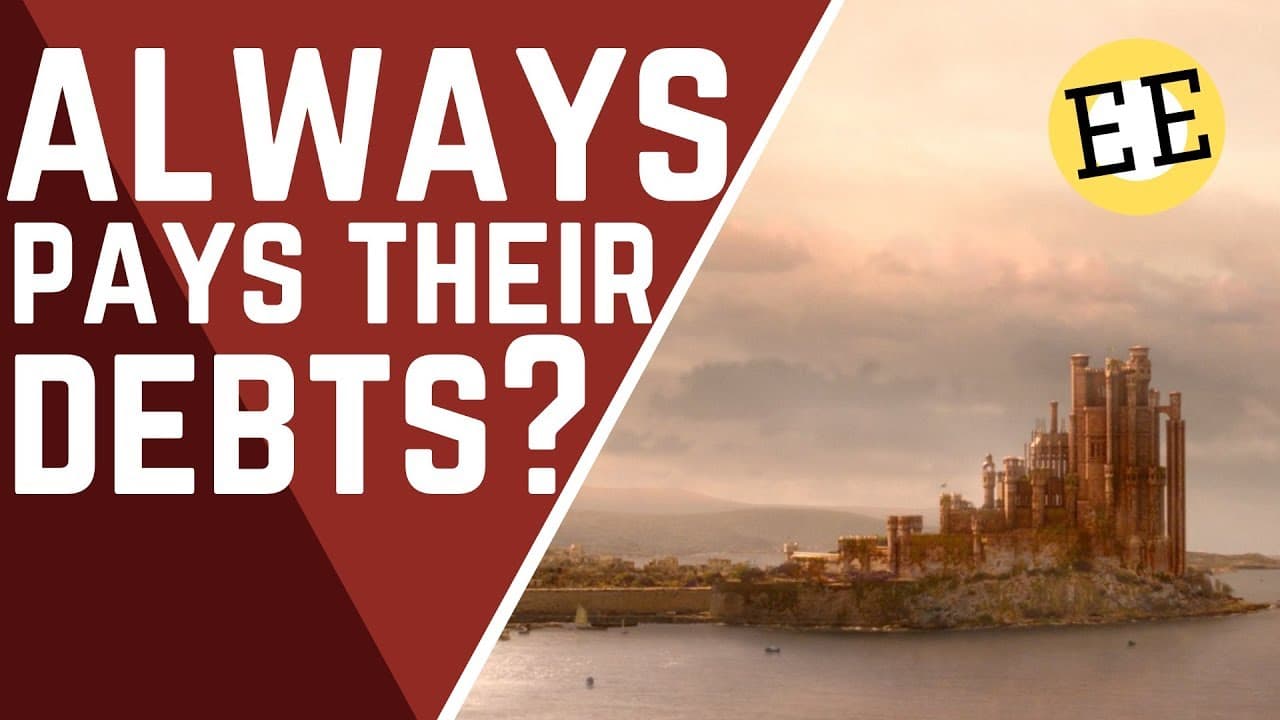
- The Iron Bank in Essos parallels historical banking houses, influencing Westeros politics and wars through financial power.
- The Iron Bank's role highlights how financial institutions can impact political stability and power dynamics in Westeros.
- The Lannisters' debt strategy with the Iron Bank showcases the complex interplay between finance and political power.
- The show uses economic elements to add realism, allowing viewers to speculate on the implications of financial decisions.
- Game of Thrones' economic intricacies appeal to a diverse audience, including fans of fantasy, action, political drama, and economics.
Install to Summarize YouTube Videos and Get Transcripts
Explore YouTube Video Summarizer or Get YouTube Transcript Extractor
Questions & Answers
Q: What is the economic system of Westeros?
Westeros operates as a feudal economy, where the majority of citizens are involved in agriculture under the governance of local lords. This system reflects medieval England, with limited private enterprises like brothels, smithies, and inns, showing a lack of industrialization and specialization.
Q: How does constant warfare affect Westeros' economy?
Constant warfare in Westeros limits trade and regional specialization, preventing economic efficiencies. The instability discourages regions from specializing in production, as alliances and trade routes are frequently disrupted by conflicts, impacting the overall economic development of the nation.
Q: What role does the Iron Bank play in Westeros?
The Iron Bank, located in Essos, is a powerful financial institution that influences Westeros' politics and wars. It parallels historical banking houses by providing loans to various factions, impacting political stability and power dynamics through its financial leverage and ability to fund opposing sides.
Q: How does the Lannisters' debt strategy affect their power?
The Lannisters' strategy of accruing significant debt with the Iron Bank ensures the bank's support due to their vested interest in repayment. This financial leverage allows the Lannisters to maintain power, as the bank prefers stability and repayment over supporting riskier factions.
Q: What parallels exist between the Iron Bank and historical banks?
The Iron Bank is similar to historical banking houses like the House of Rothschild during the Napoleonic era. These banks funded wars for various nations, wielding significant power by choosing which factions to support based on financial stability and repayment potential.
Q: How does the show's economic realism enhance its narrative?
The economic realism in Game of Thrones adds depth and complexity to the narrative, allowing viewers to speculate on the implications of financial decisions. It enhances the believability of the fictional world, appealing to fans of fantasy, action, political drama, and economics.
Q: Why is the Iron Bank's influence significant in the show's plot?
The Iron Bank's influence is significant as it can determine the outcome of wars by choosing which factions to finance. Its financial power and preference for stability make it a crucial player in Westeros' political landscape, impacting the balance of power through strategic lending.
Q: What is the impact of limited industrialization in Westeros?
Limited industrialization in Westeros results in a lack of economic development and specialization. The economy relies on regional production of basic goods, with no central manufacturing. This inefficiency is exacerbated by constant warfare, hindering economic growth and stability across the nation.
Summary & Key Takeaways
-
The video explores the economic structure of Westeros, a fictional nation in Game of Thrones, highlighting its feudal system and lack of industrialization. It draws parallels to medieval England and examines how constant warfare impacts trade and specialization.
-
The Iron Bank in Essos is a significant financial power in Westeros, akin to historical banking houses. Its influence on the politics and wars of Westeros is analyzed, showcasing the role of finance in political stability and power dynamics.
-
The Lannisters' financial strategies with the Iron Bank are discussed, illustrating how debt and financial decisions can affect political outcomes. The video emphasizes the realistic economic elements in Game of Thrones, appealing to a wide audience.
Read in Other Languages (beta)
Share This Summary 📚
Summarize YouTube Videos and Get Video Transcripts with 1-Click
Try YouTube Summary with ChatGPT & Claude or YouTube Transcript Generator
Explore More Summaries from Economics Explained 📚



Summarize YouTube Videos and Get Video Transcripts with 1-Click
Try YouTube Summary with ChatGPT & Claude or YouTube Transcript Generator