All My Hair Rendering Tutorial Videos
TL;DR
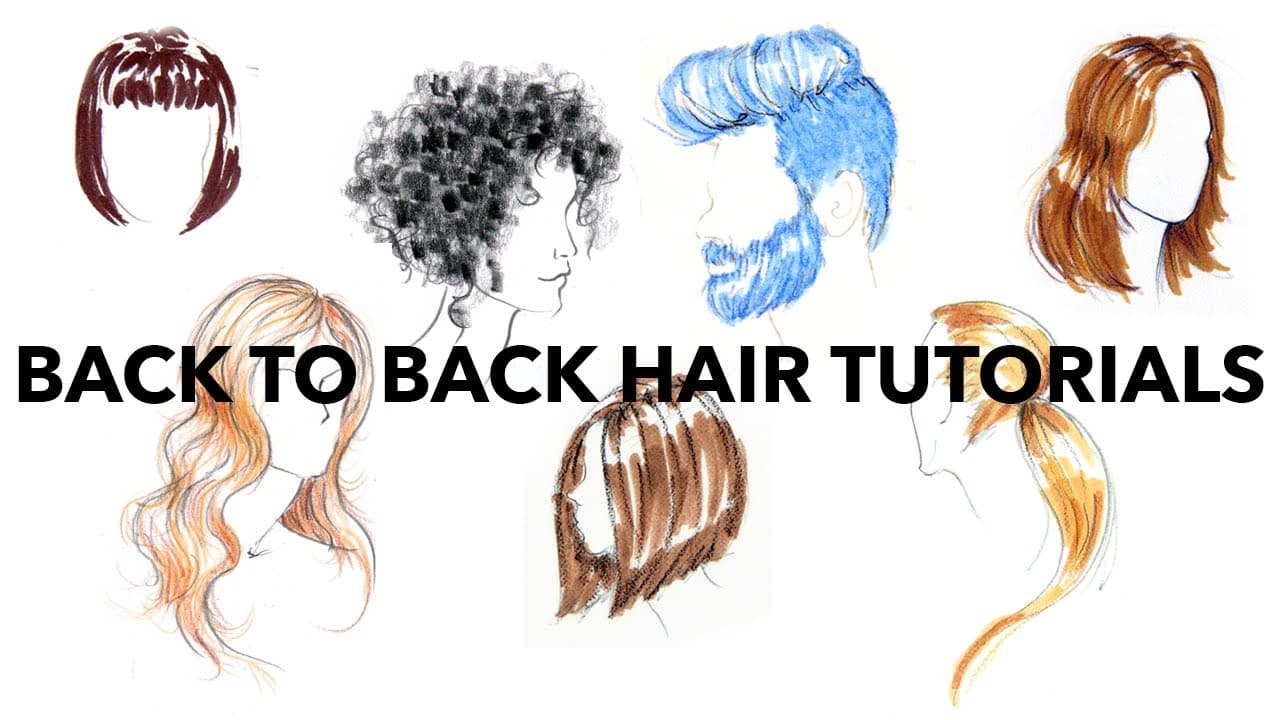
This comprehensive analysis covers the basics of hair rendering with color pencils, including tips on shaping, direction, highlights, and shadows.
Transcript
hey hey party people welcome back today I'm going to start a series on hair and you're like oh my God a series like a whole like how many videos do you need to explain hair and it's like you know what it actually takes just one video to explain hair but previous experience with my classes has shown me that my students love it when I sit there and r... Read More
Key Insights
- 👱 Hair rendering with color pencils should focus on capturing the overall shape and texture of the hair, rather than individual strands.
- 👱 Highlights and shadows are essential for creating a three-dimensional effect in hair illustrations.
- ❓ Different hairstyles require specific techniques and attention to detail, such as braids, cornrows, and dreadlocks.
Install to Summarize YouTube Videos and Get Transcripts
Explore YouTube Video Summarizer or Get YouTube Transcript Extractor
Questions & Answers
Q: How should I approach hair as a shape rather than individual strands when rendering with color pencils?
When working with color pencils, focus on capturing the overall shape of the hair, such as a bob or long wavy hair. Use light, feathery strokes to create the texture and depth of the hair without emphasizing individual strands.
Q: How can I create highlights and shadows in hair illustrations with color pencils?
Hair is darkest at the roots and tips, while hair around the face and neck is often in shadow. To create highlights, think about the direction of the light source and render highlights as the hair curves toward the light. Shadows should be added at the roots, tips, and areas away from the light source.
Q: What are some specific techniques for rendering different hairstyles, such as braids, cornrows, and dreadlocks?
For braids, focus on creating three-dimensional shapes for each section of the braid, adding highlights and shadows accordingly. Cornrows should be rendered as tight, flat sections with minimal highlights or shadows. Dreadlocks often require emphasizing the twist and texture of the hair with color pencil, adding depth and dimension.
Q: How can I add variety and realism to hair illustrations with color pencils?
Experiment with different color pencils to create realistic highlights, lowlights, and the overall texture of the hair. Gradually build up layers and blend colors to add depth and shine to the hair. Additionally, incorporating loose strands and wisps can add movement and organic details to the illustration.
Summary & Key Takeaways
-
Hair rendering is about treating hair as a shape, not individual strands, and rendering in the direction it grows.
-
Highlights and shadows play a crucial role in creating a three-dimensional effect in hair illustrations.
-
Different hairstyles, such as braids, cornrows, and dreadlocks, require specific techniques and attention to detail in color pencil rendering.
Read in Other Languages (beta)
Share This Summary 📚
Summarize YouTube Videos and Get Video Transcripts with 1-Click
Try YouTube Summary with ChatGPT & Claude or YouTube Transcript Generator
Explore More Summaries from Zoe Hong 📚

Summarize YouTube Videos and Get Video Transcripts with 1-Click
Try YouTube Summary with ChatGPT & Claude or YouTube Transcript Generator