What Was the Spanish Tornaviaje Route?
TL;DR
The Spanish Tornaviaje route was a significant maritime path discovered in 1565, allowing for direct communication between Asia and America. This route facilitated Spanish settlement in the Philippines and opened a lucrative Transpacific trade, introducing new products to Asia. It played a crucial role in the Spanish colonial strategy and the economic development of the region.
Transcript
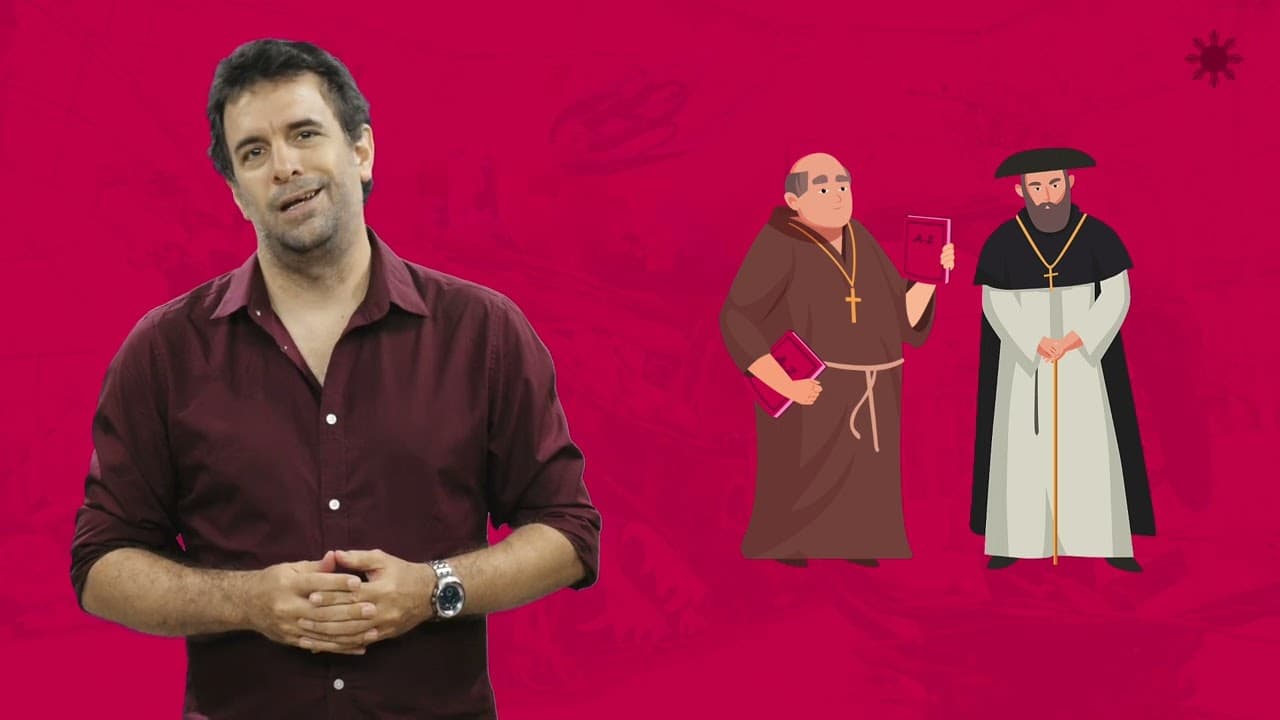
The origins of the production of written texts about the Philippine Archipelago go back to the year 1521, the date which marked the end of the famous Magellan-Elcano expedition, which circumnavigated the planet for the first time. After that time, the Spaniards continued to cross the Pacific Ocean, accidentally passing by the archipelago, initially... Read More
Key Insights
- The Tornaviaje route was discovered in 1565, enabling direct maritime communication between Asia and America.
- Spanish settlement in the Philippines began in 1571, centered around Manila, due to the Tornaviaje route.
- The Transpacific trade route introduced products like chocolate, tomatoes, and potatoes to Asia.
- Spanish colonial texts from the Philippines include conquest accounts, complaint letters, ethnographic reports, and official historiographies.
- The friars played a key role in creating a literate culture in the Philippines, initiating the Manila Synod in 1582.
- The first printing press in the Philippines was established in 1604, printing works primarily of evangelizing nature.
- Early printed texts in Manila included Christian doctrines and linguistic texts, often using the Chinese xylographic method.
- Spanish control in the Philippines was limited, with friars often being the only Spanish presence in many areas.
Install to Summarize YouTube Videos and Get Transcripts
Explore YouTube Video Summarizer or Get YouTube Transcript Extractor
Questions & Answers
Q: What was the Tornaviaje route?
The Tornaviaje route was a maritime path discovered in 1565 by the Spanish, enabling direct communication between Asia and America. This route was crucial for Spanish colonial expansion, facilitating the settlement of the Philippines and establishing a Transpacific trade route that introduced various products to Asia.
Q: How did the Tornaviaje route impact Spanish colonization?
The Tornaviaje route significantly impacted Spanish colonization by allowing for the establishment of a direct maritime link between Asia and America. This facilitated the Spanish settlement in the Philippines, centered in Manila, and enabled the development of a lucrative Transpacific trade, which was vital for the Spanish colonial economy.
Q: What products were introduced to Asia via the Transpacific trade?
The Transpacific trade introduced several products to Asia, including chocolate, tomatoes, peanuts, potatoes, and chili peppers. These products were part of the lucrative trade facilitated by the Tornaviaje route, which connected the Spanish colonies in Asia and America, enriching the cultural and culinary landscapes of the regions involved.
Q: What role did friars play in the Philippines during Spanish rule?
Friars played a crucial role in the Philippines during Spanish rule by establishing a literate culture and initiating Christianization efforts. They were responsible for setting up the first printing press in 1604 and produced significant religious and linguistic texts. Friars often represented the Spanish presence in remote areas, influencing local culture and education.
Q: What types of texts were produced in the early Spanish Philippines?
In the early Spanish Philippines, various types of texts were produced, including conquest accounts, complaint letters by friars, ethnographic reports like the 'Boxer Codex', and official historiographies. These texts were crucial for documenting Spanish colonial activities and served as tools for administration, religious propagation, and cultural exchange.
Q: How was the first printing press in the Philippines established?
The first printing press in the Philippines was established in 1604 by Dominican friar Francisco Blancas de San José. It primarily printed religious texts, such as Christian doctrines, and linguistic works, using the Chinese xylographic method. This press played a significant role in the cultural and religious development of the region during the Spanish colonial period.
Q: What challenges did the Spanish face in controlling the Philippines?
The Spanish faced several challenges in controlling the Philippines, including limited presence and influence outside key areas like Manila. The vast archipelago made it difficult to establish widespread control, with friars often being the only Spanish representatives in remote regions. Additionally, local resistance and geographical barriers posed significant challenges to Spanish authority.
Q: What were the early printed works in Manila about?
Early printed works in Manila primarily focused on religious and linguistic subjects. These included Christian doctrines in various languages, such as Spanish, Tagalog, and Chinese, as well as linguistic texts like grammars and vocabularies. These works were crucial for evangelization efforts and cultural exchange during the early years of Spanish colonization.
Summary & Key Takeaways
-
The discovery of the Tornaviaje route in 1565 was pivotal for Spanish colonial efforts, allowing for the first direct maritime link between Asia and America. This route facilitated the establishment of Spanish settlements in the Philippines and the development of a profitable Transpacific trade, introducing products like chocolate and tomatoes to Asia.
-
Spanish colonial texts produced in the Philippines were diverse, including conquest accounts, complaint letters, and ethnographic reports. The friars were instrumental in the development of a literate culture, establishing the first printing press in 1604, which primarily printed works of evangelizing nature and linguistic texts.
-
Despite the Spanish presence, control in the Philippines was limited to key areas, with friars often being the only Spanish representatives. The early printed works in Manila, such as Christian doctrines and linguistic texts, were crucial in the cultural and religious shaping of the region during the Spanish colonial period.
Read in Other Languages (beta)
Share This Summary 📚
Summarize YouTube Videos and Get Video Transcripts with 1-Click
Try YouTube Summary with ChatGPT & Claude or YouTube Transcript Generator
Explore More Summaries from universidadurjc 📚



Summarize YouTube Videos and Get Video Transcripts with 1-Click
Try YouTube Summary with ChatGPT & Claude or YouTube Transcript Generator