Is Hand Sanitizer Actually Bad For You?
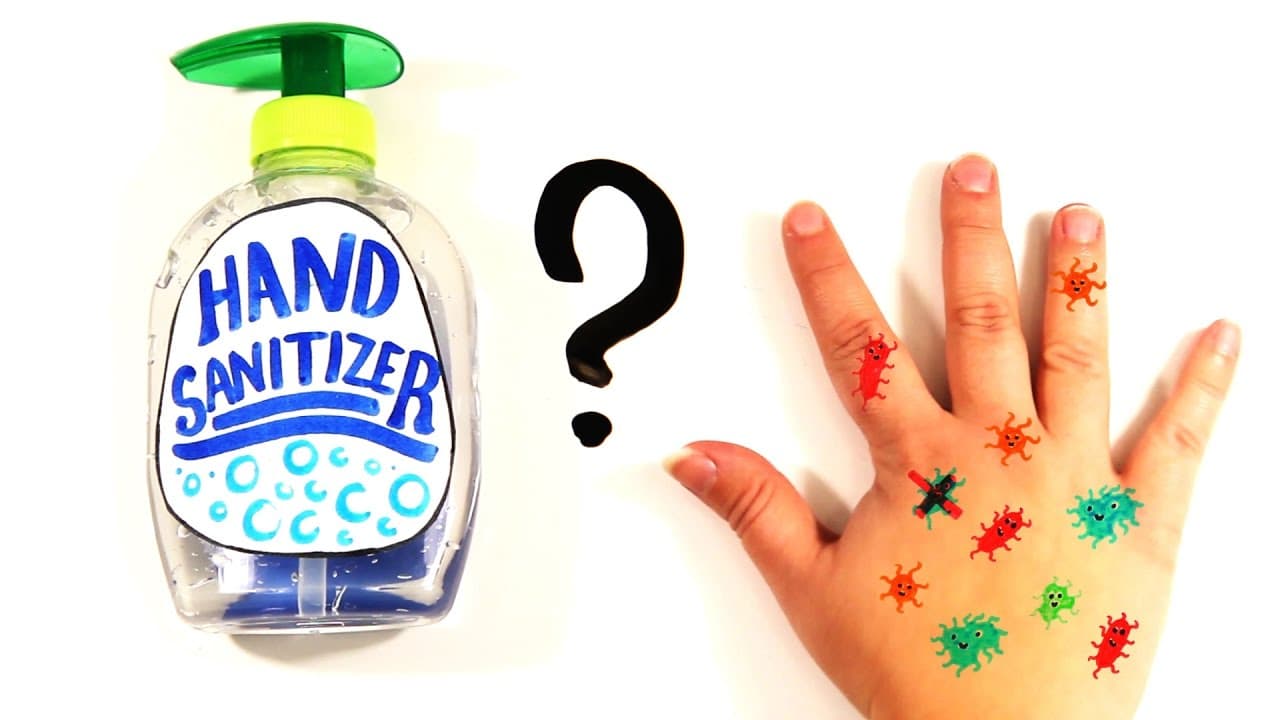
TL;DR
Hand sanitizers can effectively kill bacteria and certain viruses, but soap and water are superior in removing germs from hands.
Transcript
Hand sanitizers are really handy. Especially when soap and running water aren't within reach But are they worth using more often, or should you try and avoid them all together? Hand sanitizers contain ingredients like alcohol, which is often at 70% concentration, that works to kill Microbes. When left on the skin [for] 30 seconds or longer, it's ab... Read More
Key Insights
- 🤗 Hand sanitizers with alcohol can kill bacteria and certain viruses, but do not effectively remove germs from hands.
- 🤗 Soap and water are more efficient for removing germs than hand sanitizers.
- 🧼 Antibacterial soaps containing Triclosan are not significantly more effective than regular soap and can contribute to environmental contamination.
- 💦 Hot water is not necessary for handwashing; cold water is sufficient.
- 🤗 Hand sanitizers and most hand sanitizers do not contribute to bacterial resistance, but some brands containing antibacterial ingredients like Triclosan may have this effect.
- 🤗 Regular soap and cold water are the recommended choices for hand hygiene to prioritize health and environmental considerations.
- 🧑⚕️ The hygiene hypothesis and other studies explore the effects of cleanliness on overall health and well-being.
Install to Summarize YouTube Videos and Get Transcripts
Explore YouTube Video Summarizer or Get YouTube Transcript Extractor
Questions & Answers
Q: Are hand sanitizers better at killing germs than soap and water?
While hand sanitizers can effectively kill bacteria and viruses, soap and water are more efficient at removing germs from hands, making them the superior choice for cleanliness.
Q: Does the temperature of the water used for handwashing matter?
Hot water can kill bacteria, but the temperature required is too high to safely use on skin. Cold water is just as effective for handwashing.
Q: Is antibacterial soap more effective than regular soap?
Antibacterial soap containing Triclosan is typically below the concentration required to be effective, and multiple studies have shown no significant advantage over regular soap.
Q: Can using hand sanitizers or antibacterial soap lead to bacterial resistance?
Most hand sanitizers primarily use alcohol and do not contribute to bacterial resistance. However, some hand sanitizers and antibacterial soaps contain Triclosan, which has been linked to promoting antibiotic resistance in bacteria.
Summary & Key Takeaways
-
Hand sanitizers, particularly those with alcohol, can kill 99.9% of bacteria and certain viruses on the skin.
-
Scrubbing hands with soap and water is more effective in removing germs from hands than using hand sanitizers.
-
Antibacterial soaps containing Triclosan are not significantly more effective than regular soap, and can contribute to environmental contamination.
Read in Other Languages (beta)
Share This Summary 📚
Summarize YouTube Videos and Get Video Transcripts with 1-Click
Try YouTube Summary with ChatGPT & Claude or YouTube Transcript Generator
Explore More Summaries from AsapSCIENCE 📚






Summarize YouTube Videos and Get Video Transcripts with 1-Click
Try YouTube Summary with ChatGPT & Claude or YouTube Transcript Generator