How to train employees to have difficult conversations | Tamekia MizLadi Smith
TL;DR
In a world where data collection is constant, it is crucial to approach data collection with compassionate care to prevent discrimination and ensure accurate and useful information.
Transcript
We live in a world where the collection of data is happening 24 hours a day, seven days a week, 365 days a year. This data is usually collected by what we call a front-desk specialist now. These are the retail clerks at your favorite department stores, the cashiers at the grocery stores, the registration specialists at the hospital and even the per... Read More
Key Insights
- 📊 Data collection is happening constantly, often by front-desk specialists in various industries, such as retail, healthcare, and customer service.
- 🚺 Front-desk specialists may struggle to ask complex, sensitive questions regarding gender, race, and ethnicity, leading to potential bias and discrimination.
- 💼 Asking questions in a respectful and informative manner is crucial to obtaining accurate data and avoiding negative outcomes. ⏰ Bad data costs time, money, and resources and can contribute to health disparities and underprivileged populations.
- 🔍 It is important to collect data with compassionate care, ensuring that front-desk specialists are equipped with the necessary education and training.
- 🎓 Training programs, such as the "I'm G.R.A.C.E.D." program, can help front-desk specialists understand the importance of data collection and navigate sensitive conversations effectively.
- 💡 Engaging people in the why behind data collection challenges their perspective and creates positive attitudes.
- 🤝 Treating people with respect and delivering data communication by a human being is essential for effective and meaningful interactions.
Install to Summarize YouTube Videos and Get Transcripts
Explore YouTube Video Summarizer or Get YouTube Transcript Extractor
Questions & Answers
Q: What is the role of a front-desk specialist in data collection?
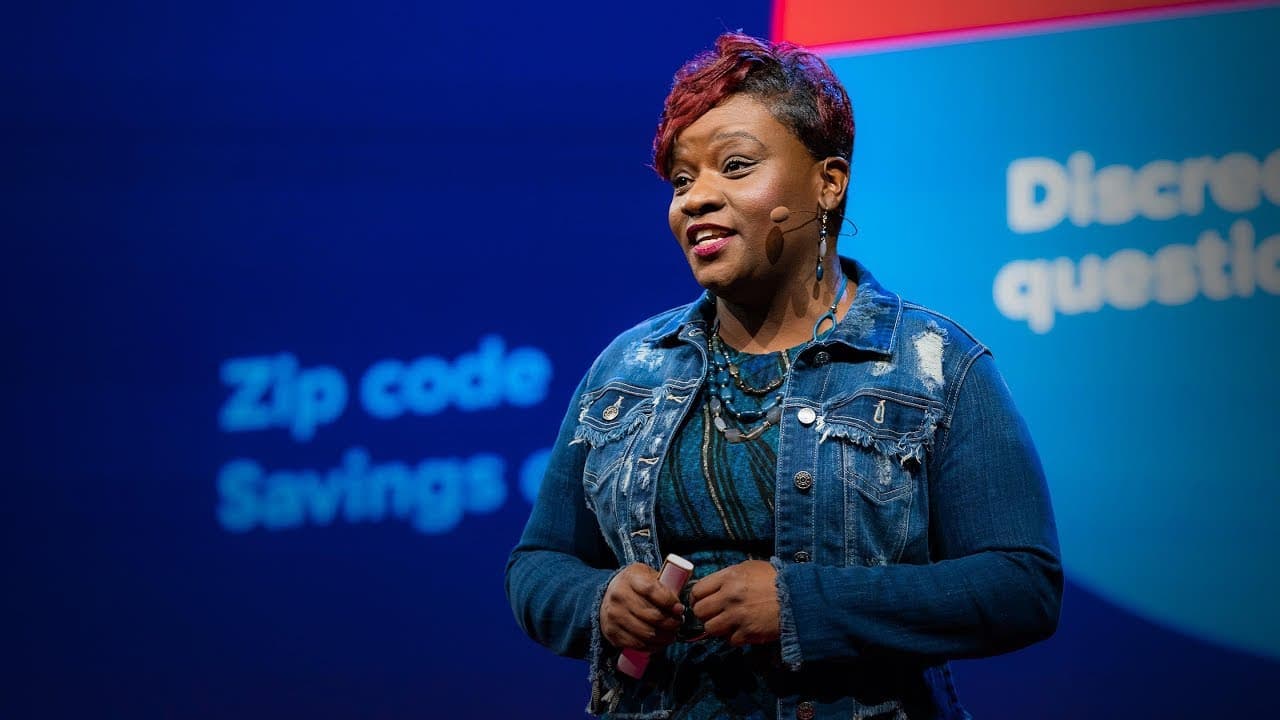
A front-desk specialist, such as a retail clerk, cashier, or registration specialist, is responsible for collecting data through discreet questions. They may ask for a customer's zip code or offer the option to use a savings card. These interactions help gather valuable data for businesses or organizations.
Q: Why did Miss Margaret object to asking patients to self-identify their gender, race, and ethnicity?
Miss Margaret, a front-desk specialist, had never needed to ask patients about their gender, race, or ethnicity in her 20-year career. She believed she could simply look at a person and determine these factors. When asked to self-identify patients with specific categories, it offended her and she felt highly unprepared to make this change.
Q: How can improper presentation of data collection questions affect responses?
Improperly presenting questions about data collection can lead to people declining to answer or providing inaccurate information. When individuals feel that the information collected may be used to discriminate against them, they become reluctant to share accurate data. This can result in bad data, which costs time, money, and resources, and can perpetuate health disparities and social determinants of health.
Q: According to the speaker, why is it important to collect data with compassionate care?
Collecting data with compassionate care is crucial because it improves the quality of information obtained. When employees approach data collection with kindness and respect, people are more likely to share accurate information. This empowers businesses and organizations to address health disparities, social determinants of health, and other issues effectively, ultimately benefiting underprivileged populations.
Q: How does the speaker suggest implementing change in data collection practices?
The speaker recommends a training program called "I'm G.R.A.C.E.D," which stands for Getting the front desk specialist involved, Relevance, Accountability, Compassionate care, and Equipping specialists with education. This training promotes open dialogue, addresses biases, and emphasizes the importance of respectful communication. The speaker emphasizes that change should be transitional rather than shocking, and that it is the responsibility of those who have been graced to empower others.
Summary & Key Takeaways
-
Data collection is happening constantly and is often done by front-desk specialists in various industries.
-
Properly asking questions and presenting information is essential to obtaining accurate and non-discriminatory data.
-
Training programs like "I'm G.R.A.C.E.D" can help front-desk specialists understand the importance of their role in data collection and improve their communication skills.
Read in Other Languages (beta)
Share This Summary 📚
Summarize YouTube Videos and Get Video Transcripts with 1-Click
Try YouTube Summary with ChatGPT & Claude or YouTube Transcript Generator
Explore More Summaries from TED 📚






Summarize YouTube Videos and Get Video Transcripts with 1-Click
Try YouTube Summary with ChatGPT & Claude or YouTube Transcript Generator