It’s happening now.
TL;DR
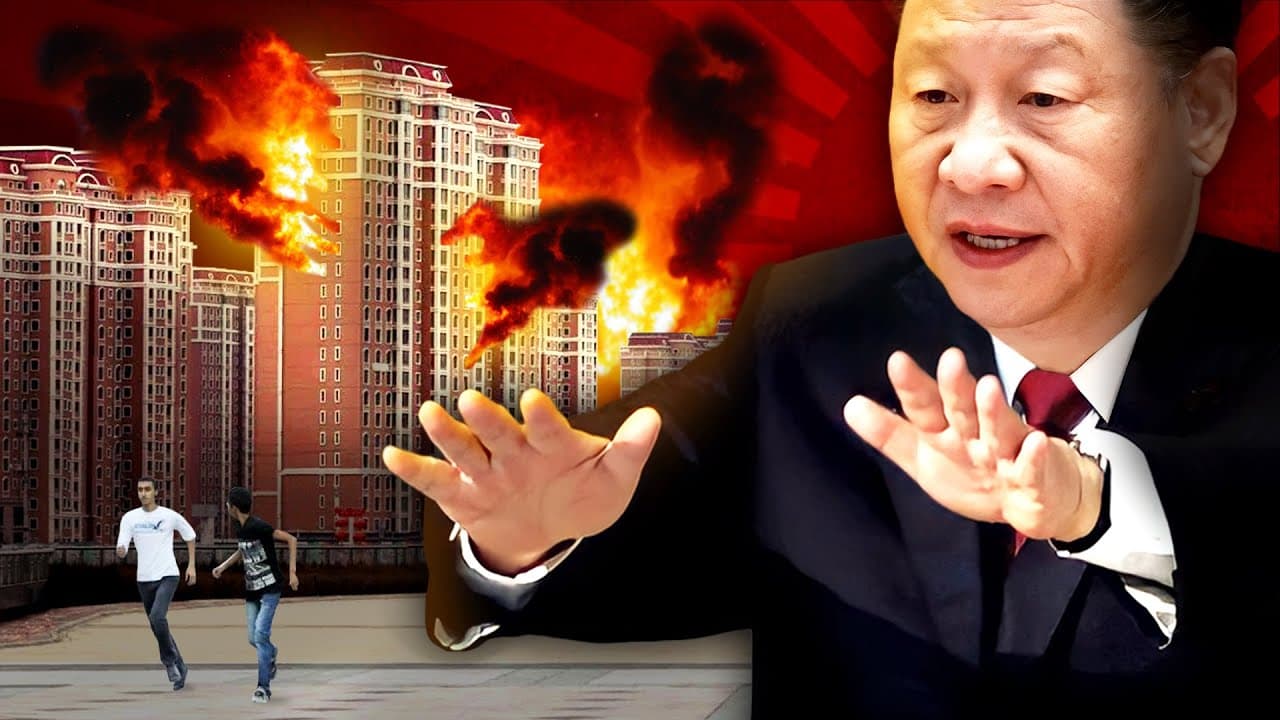
China's real estate bubble, fueled by a combination of government policies, foreign investment, and high demand, is showing signs of bursting, posing a risk to the Chinese economy.
Transcript
china has been building up the biggest real estate bubble the world has ever seen and it looks like the ponzi scheme is finally starting to crack and if it does there is actually a legitimate chance it could bring down the entire chinese economy with it and that is not a sensational exaggeration to get views let me explain here's what you have to u... Read More
Key Insights
- ✋ China's real estate market experienced significant growth due to a combination of government policies, foreign investment, and high demand from Chinese families seeking homeownership.
- 🥺 Pre-sales of homes created an unsustainable cycle of debt for developers, leading to a pause in construction and leaving customers without completed properties.
- 🥺 The bursting of the real estate bubble could result in a collapse of the banking system and the loss of individuals' savings, leading to potential social unrest.
Install to Summarize YouTube Videos and Get Transcripts
Explore YouTube Video Summarizer or Get YouTube Transcript Extractor
Questions & Answers
Q: What factors contributed to the growth of China's real estate bubble?
The Chinese government allowed economic freedom and the illusion of ownership while maintaining control. Foreign investment and high demand from Chinese families seeking homeownership also played a significant role.
Q: Why did developers engage in pre-sales of homes?
Pre-sales allowed developers to secure funds upfront from buyers, enabling them to finance the construction of new properties. This strategy was driven by high demand and expectations of continuously rising prices.
Q: What risks does the bursting of the real estate bubble pose to the Chinese economy?
If homeowners start defaulting on their mortgages and developers go bankrupt, the banking system could collapse, causing a loss of savings for individuals and potential social unrest. The government's intervention to bail out developers aims to prevent a complete economic crisis.
Q: How does the inflation resulting from the collapse of the real estate market impact the Chinese population?
Inflation primarily affects the poor and middle class, as they spend on consumer goods that increase in price. Wealthier individuals, who invest in assets, are less affected.
Key Insights:
- China's real estate market experienced significant growth due to a combination of government policies, foreign investment, and high demand from Chinese families seeking homeownership.
- Pre-sales of homes created an unsustainable cycle of debt for developers, leading to a pause in construction and leaving customers without completed properties.
- The bursting of the real estate bubble could result in a collapse of the banking system and the loss of individuals' savings, leading to potential social unrest.
- Inflation resulting from the market collapse mainly affects the poor and middle class, while wealthier individuals with assets are less affected.
Summary & Key Takeaways
-
China's real estate market experienced a significant boom in recent years, driven by Chinese families' desire for homeownership and foreign investment.
-
The government allowed for economic freedom and the illusion of ownership while maintaining control over its citizens.
-
However, soaring home prices, unaffordability, and excessive debt have caused cracks in the market, leading to mortgage boycotts and potential economic collapse.
Read in Other Languages (beta)
Share This Summary 📚
Summarize YouTube Videos and Get Video Transcripts with 1-Click
Try YouTube Summary with ChatGPT & Claude or YouTube Transcript Generator
Explore More Summaries from Jake Tran 📚





Summarize YouTube Videos and Get Video Transcripts with 1-Click
Try YouTube Summary with ChatGPT & Claude or YouTube Transcript Generator