How Did Mumbai Improve Security After 26/11 Terror Attacks?
TL;DR
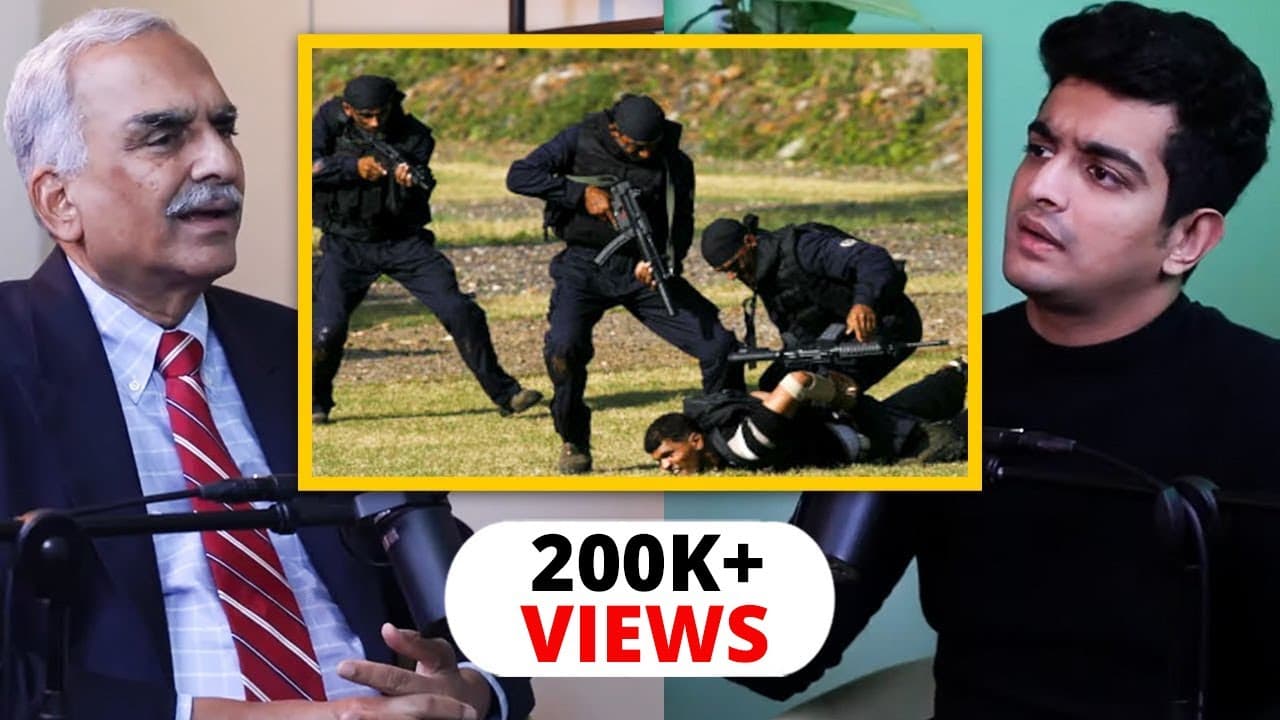
Mumbai's security significantly improved post-26/11 through substantial government investment in anti-terrorism infrastructure, including specialized QRTs and better training. Enhanced surveillance and quick response capabilities have been established, though challenges in coastal security and threat anticipation remain. Leadership is critical in maintaining and evolving these security measures.
Transcript
subscribe and hit that bell icon to be notified about the highlights of india's smartest podcast the randy show this is trs clips i mean the outcome of that attack as mumbaikers is that the city feels different now it feels much safer honestly because we noticed he feels much safer because the government took special uh care interest and i was post... Read More
Key Insights
- 😤 The establishment of quick reaction teams (QRTs) marks a pivotal shift in Mumbai's emergency response capabilities.
- 🖤 Investment in modern equipment and training has created a layer of preparedness previously lacking in the security apparatus.
- 👳 Enhanced surveillance capabilities in vulnerable areas are critical for improving overall security in urban environments like Mumbai.
- ⏮️ The importance of leadership in crisis situations is underscored by previous failures to anticipate threats.
- 👊 Continuous assessment of coastal security remains essential given the city's risk from maritime attacks.
- 🪡 Historical insights suggest a need for better intelligence sharing and collaboration among various security agencies.
- 🔒 Modern risks, such as drone technology, indicate evolving threats that require adaptive security strategies.
Install to Summarize YouTube Videos and Get Transcripts
Explore YouTube Video Summarizer or Get YouTube Transcript Extractor
Questions & Answers
Q: What changes have been implemented in Mumbai's security measures following the attacks?
In response to the attacks, Mumbai revamped its security protocols with substantial financial investment in equipment and personnel training. This included the establishment of anti-terrorism squads, quick response teams, and improved control rooms across the city. The initiative aimed to create a rapid and effective response to potential threats and has led to a noticeable increase in public safety.
Q: How has government funding contributed to the security enhancements in Mumbai?
The government allocated hundreds of crores to bolster Mumbai’s security infrastructure, focusing on advanced technology, training, and resource acquisition. Investments in bulletproof vehicles, state-of-the-art weaponry, and specialized training programs for personnel have been made. This financial commitment demonstrates a proactive approach to preventing and responding to future attacks, significantly enhancing the city's preparedness.
Q: What role do specialized training and international collaboration play in Mumbai's security strategy?
Specialized training, particularly drawing from expertise in countries like Israel, has become integral to bolstering Mumbai's security. Collaborations have allowed local security forces to learn advanced techniques for crisis management and counter-terrorism. The formation of quick reaction teams trained by foreign experts has raised the competency and readiness of response units, thereby making the city safer.
Q: What ongoing threats does Mumbai face despite the security enhancements?
Despite significant improvements, Mumbai remains vulnerable due to its extensive coastline and porous borders. The potential for infiltration from hostile elements, including organized crime syndicates and terrorist groups, persists. Issues like inadequate coastline monitoring and the illegal movement of narcotics and arms via drone technology also pose serious challenges to ongoing security efforts.
Summary & Key Takeaways
-
After significant terror attacks, Mumbai's security framework has strengthened, with increased funding and resources allocated to anti-terrorism measures.
-
Various specialized units have been established, including QRTs and control rooms, with training sourced from international counterparts to enhance response capabilities.
-
Challenges remain, particularly in coastal security and anticipating threats, highlighting a need for consistent leadership and strategic foresight.
Read in Other Languages (beta)
Share This Summary 📚
Summarize YouTube Videos and Get Video Transcripts with 1-Click
Try YouTube Summary with ChatGPT & Claude or YouTube Transcript Generator
Explore More Summaries from TRS Clips 📚





Summarize YouTube Videos and Get Video Transcripts with 1-Click
Try YouTube Summary with ChatGPT & Claude or YouTube Transcript Generator