Designing Robots as Smart as Babies | Alison Gopnik
TL;DR
Alan Turing proposed that computers be as smart as two-year-olds, showcasing babies’ superior creativity, exploration, learning from others, and abstract thinking.
Transcript
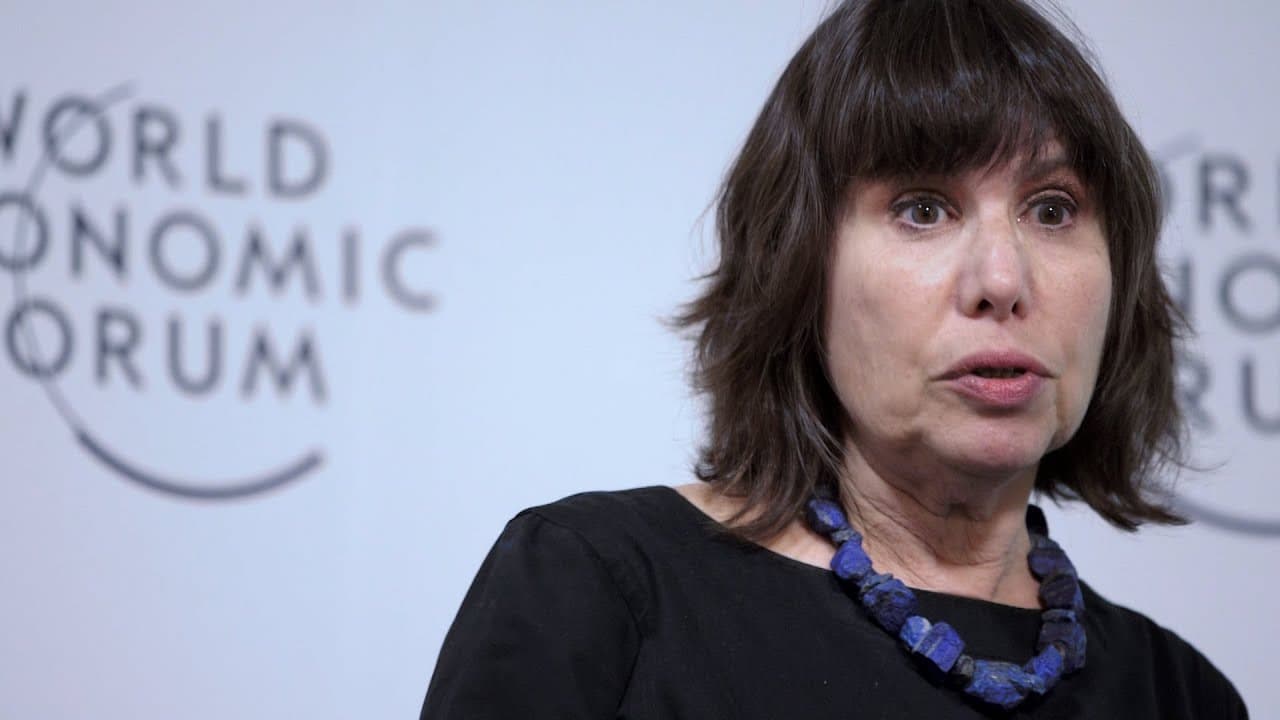
so this is Alan Turing everyone knows that Alan Turing was one of the people who founded computation and who first asked this question about whether machines could think like people but what people don't know is that in that very same paper term said that the real question was not where their computers could be as smart as the people in this room i... Read More
Key Insights
- 🥶 Alan Turing suggested designing computers as smart as two-year-olds to harness the creativity and exploration skills babies possess.
- 👶 Babies outperform computers in creativity by inventing novel ideas and solutions.
- 👶 Babies engage in systematic exploration, learning from others, and assessing the credibility of teachers, surpassing current computer capabilities.
- 💋 The early years of a baby's life are marked by a burst of creativity and exploration, with significant brain development incomparable to adults or computers.
- 👶 Babies have the ability to learn from others, evaluate the expertise and trustworthiness of teachers, a trait distinctively human and beyond current computer capabilities.
- 🤔 Innovation in computers depends on learning from vast data sets, whereas babies excel in abstract thinking and testing hypotheses against data.
- 👶 Babies’ capacity for creative thinking and exploration far surpasses that of computers, with their brain making numerous new connections in early development crucial for creativity.
Install to Summarize YouTube Videos and Get Transcripts
Explore YouTube Video Summarizer or Get YouTube Transcript Extractor
Questions & Answers
Q: How did Alan Turing propose designing computers as smart as two-year-olds?
Alan Turing suggested focusing on designing computers to emulate the intelligence of two-year-olds rather than adult intelligence, emphasizing creativity and exploration.
Q: In what areas do babies surpass computers according to the content?
Babies excel in creativity by generating unique ideas and exploring their environment with systematic moves, learning from others, and assessing the trustworthiness of teachers, areas where computers currently fall short.
Q: What experiment showcased babies' ability to outperform adults in finding creative solutions?
An experiment compared four-year-olds and Berkeley undergraduates in solving a machine that works in an unusual way, with four-year-olds consistently performing better at generating new solutions, demonstrating superior creativity.
Q: How does the content emphasize the importance of babies' early development in comparison to computers?
The content highlights that babies make numerous new connections in their brain between zero and five years, fostering creativity and exploration that far surpass current computer capabilities in learning and innovation.
Summary & Key Takeaways
-
Alan Turing suggested designing computers as smart as two-year-olds, highlighting babies' intellect.
-
Babies outshine computers in creativity by generating novel ideas.
-
Babies excel in exploration, learn from others, and exhibit abstract thinking, surpassing current computer capabilities.
Read in Other Languages (beta)
Share This Summary 📚
Summarize YouTube Videos and Get Video Transcripts with 1-Click
Try YouTube Summary with ChatGPT & Claude or YouTube Transcript Generator
Explore More Summaries from World Economic Forum 📚
Summarize YouTube Videos and Get Video Transcripts with 1-Click
Try YouTube Summary with ChatGPT & Claude or YouTube Transcript Generator