Four Reasons Financial Intermediaries Fail
TL;DR
Financial intermediaries fail due to insecure rights, interest controls, politicized lending, and trust issues.
Transcript
♪ [music] ♪ [Tyler] Modern economies rely upon financial intermediaries to bridge the gap between savers and borrowers. Much like our real bridges, it's only when the metaphorical bridges of financial intermediation crumble that we recognize just how dependent we are on them. Many businesses rely on credit to operate and to grow. So when the credit... Read More
Key Insights
- Financial intermediaries are crucial in connecting savers and borrowers, and their failure can lead to significant economic disruptions.
- Insecure property rights can deter savings and investments, as seen in Cyprus and Argentina where deposits were confiscated or frozen.
- Usury laws, which cap interest rates, can create lending shortages by setting rates below market equilibrium, discouraging lenders.
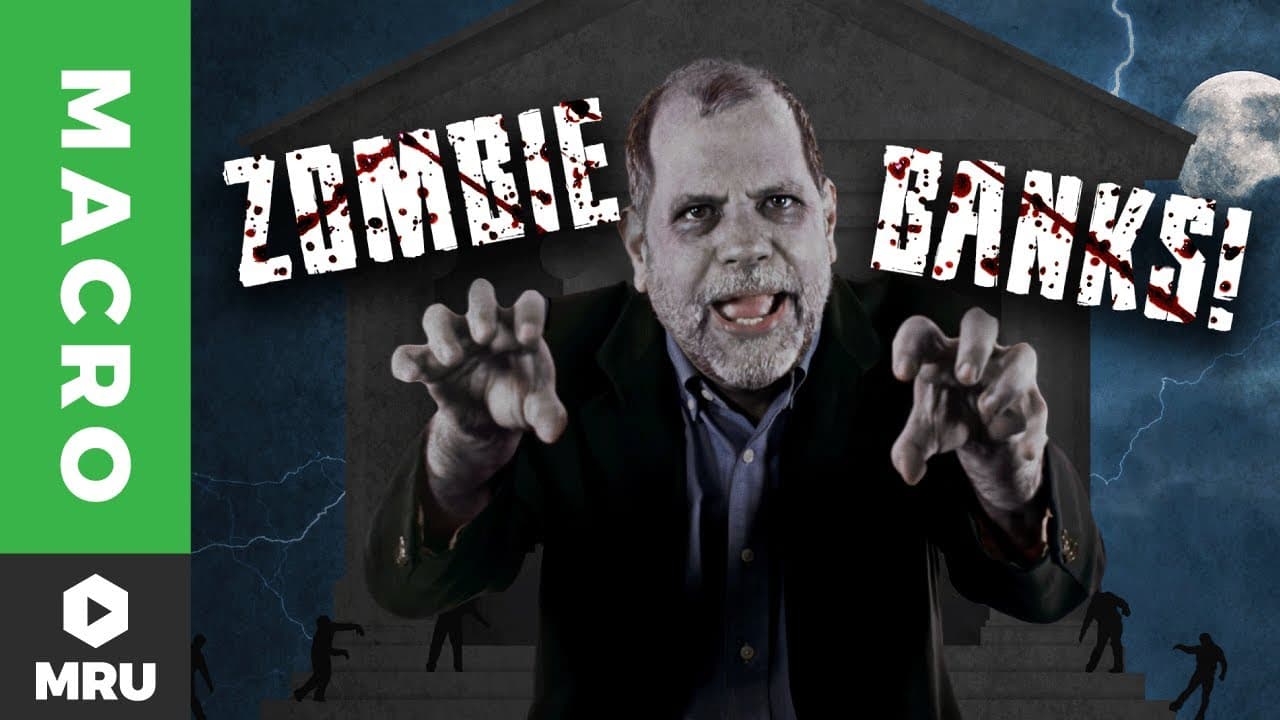
- Government intervention can create 'zombie banks' by supporting failing banks, disrupting the competitive process and favoring politically connected entities.
- Politicized lending often results in funds being allocated based on political connections rather than economic merit, hindering economic growth.
- Trust is essential in the financial system; loss of trust can lead to bank runs, as seen during the American Great Depression.
- Scandals, such as those involving Enron and Bernie Madoff, can erode investor confidence and destabilize financial markets.
- The Great Recession of 2008 was influenced by these factors, highlighting the importance of a stable financial intermediation system.
Install to Summarize YouTube Videos and Get Transcripts
Explore YouTube Video Summarizer or Get YouTube Transcript Extractor
Questions & Answers
Q: What role do financial intermediaries play in the economy?
Financial intermediaries bridge the gap between savers and borrowers, facilitating the flow of funds within the economy. They enable businesses to access credit for operations and growth, and allow individuals to borrow for investments such as education and housing. Their efficient functioning is crucial for economic stability and growth.
Q: How do insecure property rights affect financial intermediation?
Insecure property rights deter savings and investments by creating uncertainty about the safety of deposits. Examples include Cyprus's confiscation of bank deposits in 2013 and the freezing of deposits in Argentina and Brazil. Such actions scare away potential savers, leading to a breakdown in financial intermediation and limiting access to credit.
Q: What are the effects of usury laws on lending?
Usury laws impose interest rate caps, effectively acting as price ceilings. By setting rates below market equilibrium, they discourage lenders from offering loans, leading to a shortage of available credit. This mismatch between demand and supply results in fewer lending opportunities, hampering economic activity and growth.
Q: Why are 'zombie banks' problematic for the economy?
'Zombie banks' are failing banks kept afloat by government intervention. They disrupt the competitive process, preventing resources from flowing to more efficient and profitable banks. This misallocation of funds hinders economic growth and development, as resources are not directed to the most productive uses.
Q: How does politicized lending impact economic growth?
Politicized lending results in funds being allocated based on political connections rather than economic merit. This misallocation of resources stifles competition and innovation, leading to inefficient use of capital. It negatively impacts GDP growth and productivity, as funds are not directed to the most promising ventures.
Q: What role does trust play in the financial system?
Trust is vital for the stability of the financial system. Banks operate on fractional reserves, meaning they cannot meet all withdrawal demands simultaneously. Loss of trust can lead to bank runs, where depositors rush to withdraw funds, causing bank failures and credit crunches. Trust issues can destabilize the entire financial system.
Q: How do financial scandals affect market confidence?
Financial scandals, such as those involving Enron, WorldCom, and Bernie Madoff, erode investor confidence and trust in the financial system. They create uncertainty about the integrity of financial markets and institutions, leading to reduced investment and market destabilization. Scandals can have long-lasting negative impacts on economic growth.
Q: What factors contributed to the Great Recession of 2008?
The Great Recession of 2008 was influenced by several factors, including insecure property rights, politicized lending, and loss of trust in financial institutions. These issues led to a breakdown in financial intermediation, causing credit shortages and economic disruptions. The recession highlighted the importance of a stable and efficient financial system.
Summary & Key Takeaways
-
Financial intermediaries connect savers and borrowers, playing a vital role in modern economies. Their failure can cause economic disruptions, with credit shortages leading to business bankruptcies and individual financial struggles. The video identifies four main reasons for such failures: insecure property rights, controls on interest rates, politicized lending, and trust issues.
-
Insecure property rights can deter savings, as seen in Cyprus, Argentina, and Brazil, where deposits were confiscated or frozen. Usury laws, which impose interest rate caps, can create lending shortages by setting rates below market equilibrium, discouraging lenders and limiting credit availability.
-
Government intervention can result in 'zombie banks,' disrupting competition and favoring politically connected entities. Trust is crucial, as its erosion can lead to bank runs, seen during the Great Depression. Scandals like Enron and Bernie Madoff further destabilize markets. These issues contributed to the 2008 Great Recession.
Read in Other Languages (beta)
Share This Summary 📚
Summarize YouTube Videos and Get Video Transcripts with 1-Click
Try YouTube Summary with ChatGPT & Claude or YouTube Transcript Generator
Explore More Summaries from Marginal Revolution University 📚

Summarize YouTube Videos and Get Video Transcripts with 1-Click
Try YouTube Summary with ChatGPT & Claude or YouTube Transcript Generator