Financing Retirement: History and Policy Changes - Malcolm Small
TL;DR
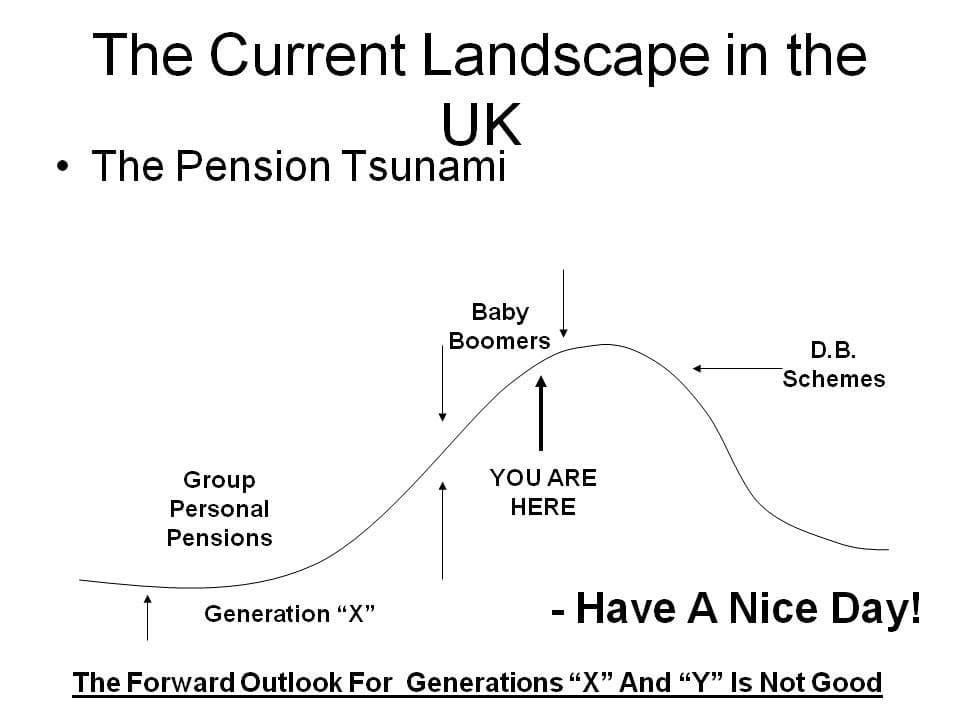
The speaker discusses the current state of retirement financing, highlighting the need for policy changes to address the issues related to increasing life expectancy and inadequate retirement savings.
Transcript
this is one of the things i do i'm director of policy at a thing called the tax incentivized savings association but i also study pensions in other countries internationally and i consult with pension companies internationally and really i work in savings policy trying to help government and help other people think about the way that we need to des... Read More
Key Insights
- 🛟 The current state of retirement financing is inadequate to support a 30-year retirement with only a 35-year working life, requiring policy changes.
- 🚟 Employer attitudes towards providing pensions have shifted, but there is a need for employers to re-engage with pension options for their employees.
- 🛟 Longevity and healthy aging are important considerations for retirement planning, as life expectancy continues to increase.
- ❓ State retirement benefit systems are under pressure and require reform to ensure sustainability.
- ☠️ The government's auto-enrollment policy aims to address the retirement funding gap but may require higher contribution rates in the future.
- ☠️ Innovative solutions are needed to address challenges related to annuity rates and timing of pension withdrawals.
Install to Summarize YouTube Videos and Get Transcripts
Explore YouTube Video Summarizer or Get YouTube Transcript Extractor
Questions & Answers
Q: What are some of the challenges associated with retirement financing?
One of the main challenges is the increasing life expectancy, which requires individuals to save more money to fund a longer retirement. Additionally, many people are not saving enough for retirement, leading to a significant retirement savings gap.
Q: How are employer attitudes towards pensions changing?
Employers are moving away from providing pensions for their employees and are instead focusing on other reward structures. However, with the introduction of auto-enrollment, employers will be compelled to provide pension options for their employees.
Q: How is the government addressing the retirement funding gap?
The government plans to auto-enroll employees into pension saving schemes, where both the employer and the employee contribute. However, the speaker believes that the current contribution levels are not enough and that the government should consider increasing the required contributions.
Q: What are some potential solutions for addressing long-term care costs?
The speaker suggests that the funding for long-term care should come from the individual's estate or through a targeted tax, which could be seen as a long-term care tax. This would help spread the burden of long-term care costs instead of relying solely on the state.
Summary & Key Takeaways
-
The speaker is an expert on savings policy and pensions and provides insights into the current state of retirement financing.
-
The content focuses on the challenges faced in financing retirement and the need for policy changes to ensure adequate savings for retirement.
-
The speaker emphasizes the importance of addressing issues related to increasing life expectancy and the implications for retirement funding.
Read in Other Languages (beta)
Share This Summary 📚
Summarize YouTube Videos and Get Video Transcripts with 1-Click
Try YouTube Summary with ChatGPT & Claude or YouTube Transcript Generator
Explore More Summaries from Gresham College 📚


Summarize YouTube Videos and Get Video Transcripts with 1-Click
Try YouTube Summary with ChatGPT & Claude or YouTube Transcript Generator