Breach of Peace | Eric Etheridge | Talks at Google
TL;DR
This content discusses the experiences of the 1961 Mississippi Freedom Riders, highlighting their brave activism in desegregating bus and train stations in the South.
Transcript
all right good afternoon everybody i want to thank you for coming by we have a few distinguished guests who've joined us joined us for our author series at google clearly from the sign up here you can see that we're going to discuss breach of peace portraits of the 1961 mississippi freedom riders and uh obviously mr eric etheridge and dr mimi rail ... Read More
Key Insights
- 🖐️ The freedom riders played a vital role in challenging segregation laws and drawing national attention to the issue.
- 💻 The strategy of jail, no bail was instrumental in putting pressure on the system and overcrowding the jails.
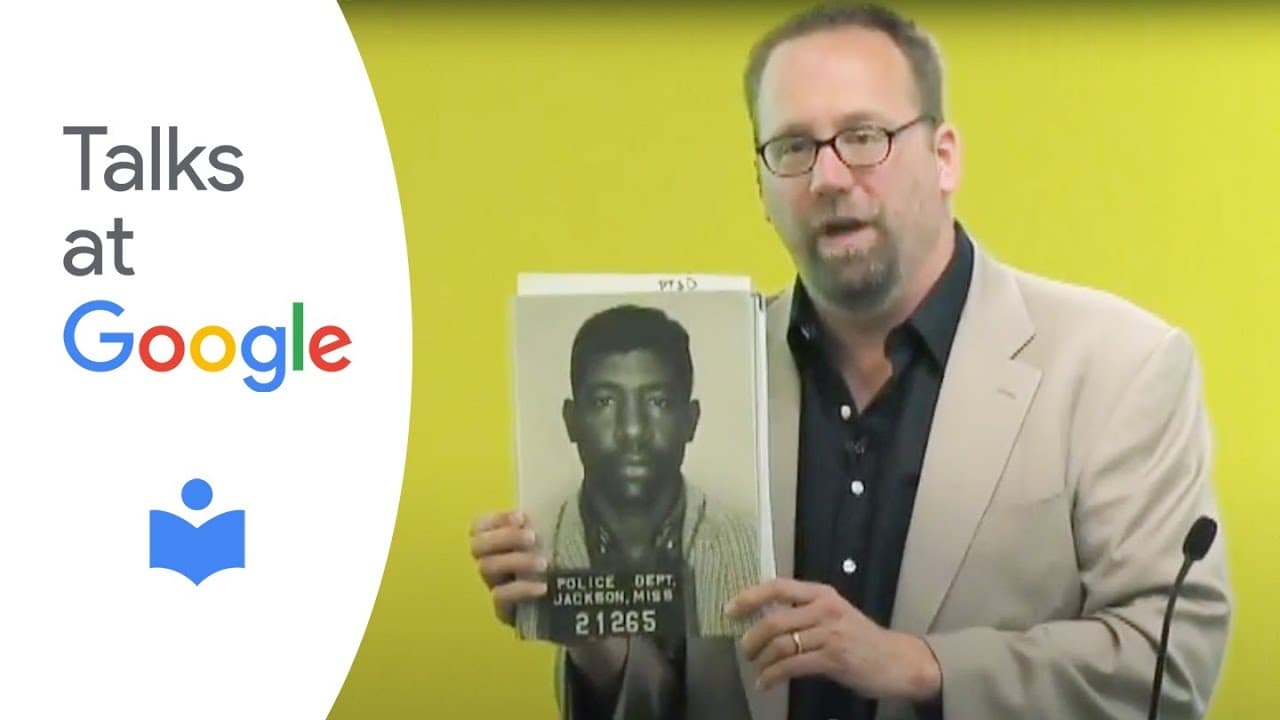
- 🛟 The Mississippi State Sovereignty Commission unintentionally preserved the mugshots of the freedom riders, providing a unique visual history of their activism.
- 🫚 The experiences of the freedom riders highlight the deep-rooted racism and violence in the South during the 1960s.
Install to Summarize YouTube Videos and Get Transcripts
Explore YouTube Video Summarizer or Get YouTube Transcript Extractor
Questions & Answers
Q: How did the 1961 Mississippi Freedom Riders challenge segregation laws?
The freedom riders used non-violent direct action by intentionally entering segregated spaces and defying the segregation laws, resulting in arrests for breach of peace.
Q: What was the significance of the strategy of jail, no bail?
The strategy of jail, no bail aimed to overcrowd the jails and put pressure on the system. It invited more riders to join, filling the jails and forcing the nation and the federal government to address segregation.
Q: How did the freedom rides impact the civil rights movement?
The freedom rides demonstrated the power of non-violent direct action and showed that blacks could bring an end to segregation. They also played a crucial role in highlighting the brutality and injustice of segregation to the national audience.
Q: How were the mugshots of the freedom riders obtained and what is their significance?
The mugshots were collected by the Mississippi State Sovereignty Commission, a group created to preserve segregation and spy on subversive activities. These mugshots, released to the public in 1998, provide a compelling visual history of the Mississippi rides and the individuals who participated.
Summary & Key Takeaways
-
The freedom riders, a group of men and women, black and white, embarked on a campaign in 1961 to desegregate bus and train stations in the South, even though the federal government was not enforcing desegregation laws.
-
They used non-violent direct action to defy segregation laws, entering the wrong waiting rooms, lunch counters, and restrooms, resulting in numerous arrests and convictions for breach of peace.
-
The riders' strategy of jail, no bail led to overcrowding of jails and drew national attention to segregation, ultimately leading to the end of segregation in bus, train, and airport terminals.
Read in Other Languages (beta)
Share This Summary 📚
Summarize YouTube Videos and Get Video Transcripts with 1-Click
Try YouTube Summary with ChatGPT & Claude or YouTube Transcript Generator
Explore More Summaries from Talks at Google 📚

Summarize YouTube Videos and Get Video Transcripts with 1-Click
Try YouTube Summary with ChatGPT & Claude or YouTube Transcript Generator