Is Bitcoin A Good Hedge Against Global Instability & Uncertainty?
TL;DR
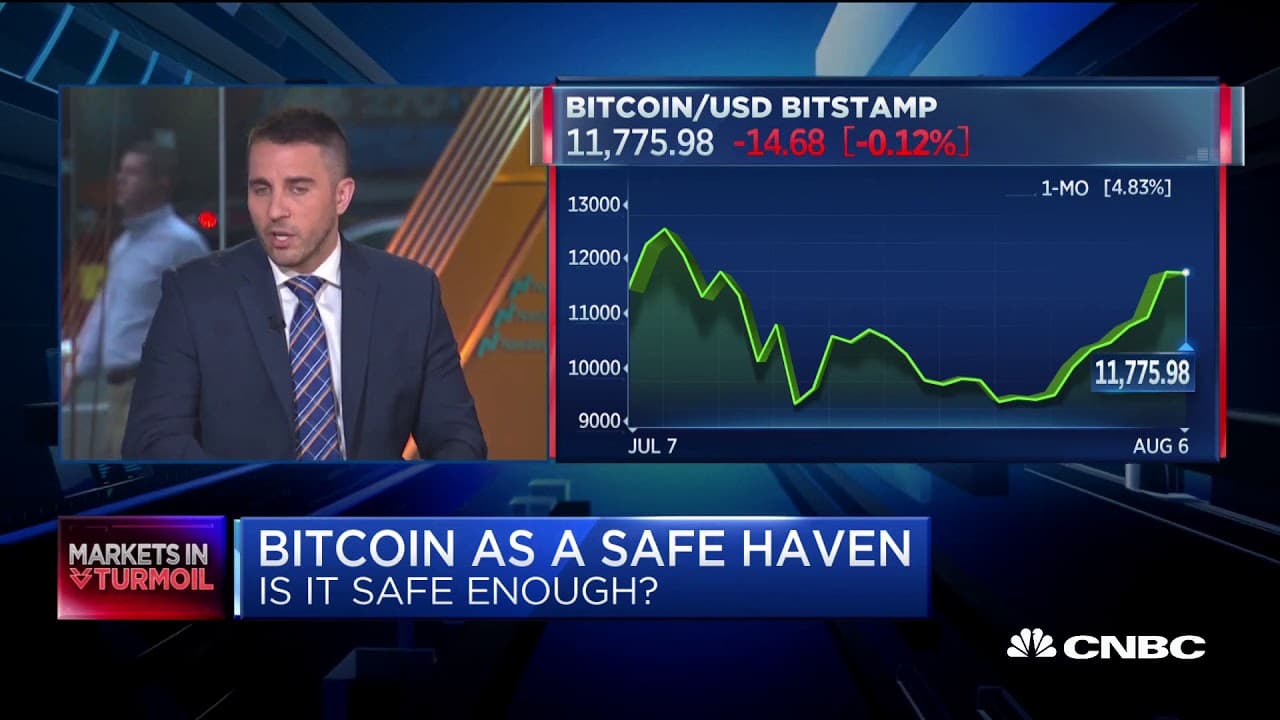
Bitcoin is increasingly viewed as a hedge against economic turmoil and central bank instability.
Transcript
there had always been an argument that bitcoin is a good sort of hedge against global turmoil against central banks etc it seems to be coming to fruition right now so how much longer is this gonna last yeah institutions have spent decades looking for non-correlated assets they can use as a diversification their portfolio we've been you know banging... Read More
Key Insights
- 🙈 Bitcoin has proven to be a hedge against financial instability, as seen during times of global crisis.
- 📼 The asset exhibits a negative correlation to traditional investments, providing unique diversification for portfolios.
- 🙈 Economic crises in various countries have historically seen a surge in Bitcoin adoption as citizens seek alternative investments.
- 🥺 Institutional interest is growing, leading to discussions on how much Bitcoin should be in a diversified portfolio.
- 🔒 Preventative measures such as using qualified custodians can enhance the security of Bitcoin investments.
- 🧘 The fixed supply of Bitcoin positions it as a valuable asset amidst increasing global adoption.
- 💱 Allegations about cryptocurrency exchanges being prone to hacks underline the importance of secure trading practices.
Install to Summarize YouTube Videos and Get Transcripts
Explore YouTube Video Summarizer or Get YouTube Transcript Extractor
Questions & Answers
Q: Why is Bitcoin considered a non-correlated asset?
Bitcoin has exhibited a negative correlation to traditional financial markets, experiencing price increases during global instability. This behavior positions it as a complementary asset for investors seeking diversification, especially in scenarios where other assets are underperforming due to economic turbulence or geopolitical tensions.
Q: How do capital outflows from China affect Bitcoin's price?
Bitcoin's recent price surge can be attributed to both actual capital outflows from China and the perception of potential outflows. The combination of these factors encourages investors to seek Bitcoin as a secure alternative for wealth preservation, boosting its demand and thus price in global markets.
Q: What percentage of an investment portfolio is recommended for Bitcoin?
Experts suggest that institutional investors should allocate 1-5% of their portfolios to Bitcoin to secure a hedge against instability. This modest allocation allows investors to benefit from Bitcoin's unique properties while maintaining a diversification strategy across other asset classes.
Q: What precautions should investors take when buying Bitcoin?
Investors should conduct thorough research before selecting an exchange for Bitcoin transactions. It is advisable to use qualified custodians that offer secure trading options, similar to traditional financial systems. Ensuring the integrity of the chosen platform is crucial to mitigate risks associated with hacks and custody issues.
Summary & Key Takeaways
-
Bitcoin is becoming recognized as a non-correlated asset, providing a hedge during global economic instability. It has demonstrated a negative correlation to traditional assets like gold and stocks.
-
Historical patterns show that during economic crises, such as in Venezuela and Iran, people shift their wealth to Bitcoin, suggesting increased demand during financial uncertainties.
-
A small percentage of institutional portfolios—estimated at 1-5%—allocated to Bitcoin could significantly support its market value, showcasing its emerging role in diversified investments.
Read in Other Languages (beta)
Share This Summary 📚
Summarize YouTube Videos and Get Video Transcripts with 1-Click
Try YouTube Summary with ChatGPT & Claude or YouTube Transcript Generator
Explore More Summaries from Anthony Pompliano 📚

Summarize YouTube Videos and Get Video Transcripts with 1-Click
Try YouTube Summary with ChatGPT & Claude or YouTube Transcript Generator