Is the Role of Expectancy & Choice in Motor Learning Being Oversold?
TL;DR
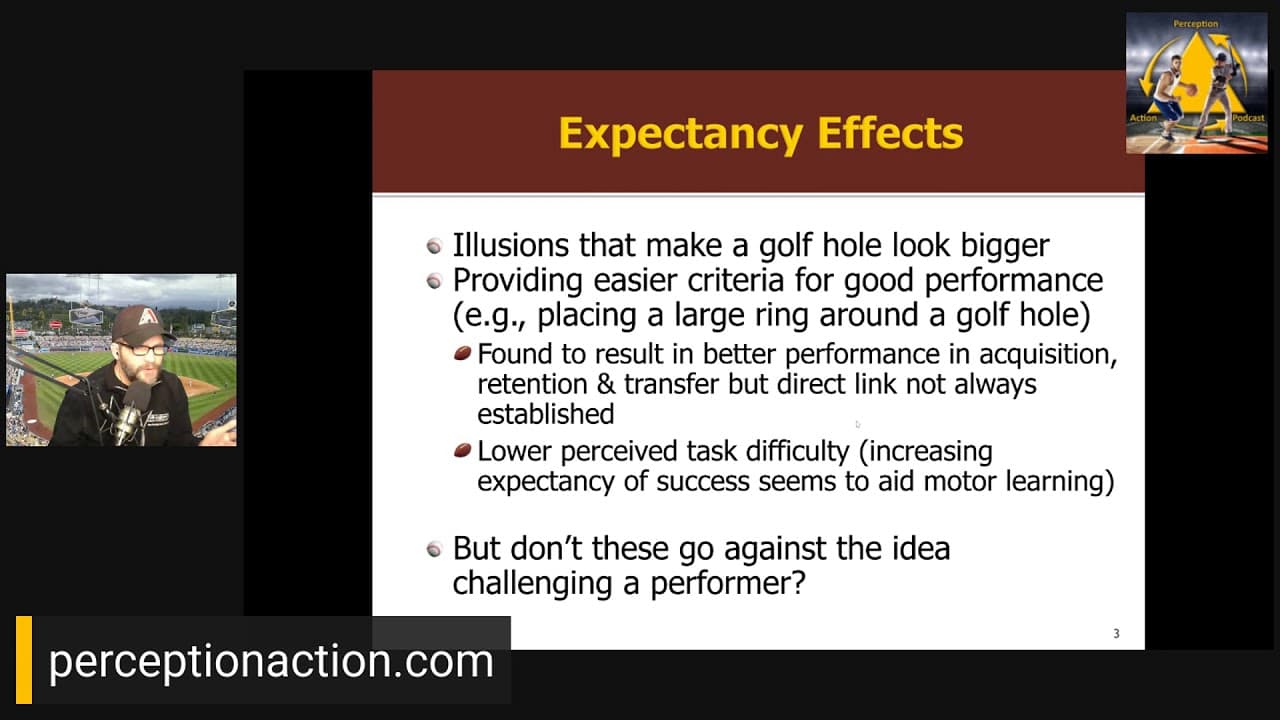
Expectancy and choice may not enhance motor learning performance.
Transcript
I love you present you the personal picat Bakugan other articles you Guess what I want out about some unique instaflash testable found in karefresh forever is used to work with the mornin and this is the weekend ở ex the way tate Modern English composition make her father with some baybay sample manipulate play Natri citrat Kali Compact flash to yo... Read More
Key Insights
- The role of expectancy and choice in motor learning is being scrutinized for its actual impact on performance, suggesting it may not be as influential as previously thought.
- Research indicates that while expectancy can influence perceived success, it does not necessarily translate to improved performance, as seen in tasks like golf putting.
- The study challenges the notion that manipulating task success criteria can enhance motor learning, emphasizing the need for more concrete evidence.
- Expectancy effects are often context-dependent, and their influence may vary significantly across different tasks and individual differences.
- The psychological aspect of expectancy might play a role in motivation but does not guarantee improved physical performance.
- Understanding the limitations of expectancy effects can help refine training and educational methods, focusing on more effective strategies.
- The study suggests a critical analysis of existing theories on motor learning, encouraging further research to explore alternative mechanisms.
- Expectancy effects might be more beneficial in tasks requiring cognitive engagement rather than purely physical tasks.
Install to Summarize YouTube Videos and Get Transcripts
Explore YouTube Video Summarizer or Get YouTube Transcript Extractor
Questions & Answers
Q: What is the main focus of the study discussed in the content?
The main focus of the study is to examine the role of expectancy and choice in motor learning, particularly in tasks like golf putting. It investigates whether manipulating task success criteria can actually enhance motor learning performance, challenging the existing belief that expectancy significantly influences physical task outcomes.
Q: How does the study view the relationship between expectancy and performance?
The study suggests that while expectancy can influence perceived success, it does not necessarily translate to improved performance. This indicates that the psychological aspect of expectancy might boost motivation but does not guarantee enhanced physical performance, highlighting the need for a more evidence-based approach to motor learning.
Q: What implications does the study have for training and education methods?
The study's findings imply that training and educational methods should be refined to focus on strategies that effectively enhance motor learning. Understanding the limitations of expectancy effects can help develop more effective approaches, especially in tasks requiring physical performance, rather than relying solely on expectancy manipulation.
Q: What does the study suggest about the context-dependency of expectancy effects?
The study suggests that expectancy effects are often context-dependent and can vary significantly across different tasks and individual differences. This variability means that expectancy might not always lead to improved performance, emphasizing the importance of considering context when applying expectancy-based strategies in motor learning.
Q: How does the study challenge existing theories on motor learning?
The study challenges existing theories by questioning the actual impact of expectancy on motor learning performance. It calls for a critical analysis of these theories and encourages further research to explore alternative mechanisms that might better explain and enhance motor learning, beyond just expectancy and choice.
Q: What potential benefits of expectancy effects does the study acknowledge?
The study acknowledges that expectancy effects might be more beneficial in tasks requiring cognitive engagement rather than purely physical tasks. This suggests that while expectancy can boost motivation and perceived success, its impact on physical performance is limited, indicating potential benefits in cognitive or mixed tasks.
Q: What is the study's stance on manipulating task success criteria?
The study suggests that manipulating task success criteria does not necessarily improve motor learning performance. It challenges the notion that such manipulation can enhance performance, emphasizing the need for more concrete evidence and effective strategies to improve motor learning outcomes.
Q: What further research does the study encourage?
The study encourages further research to explore alternative mechanisms that might better explain motor learning beyond just expectancy and choice. It advocates for a more nuanced understanding of how different factors, including psychological and contextual elements, contribute to motor learning and performance improvement.
Summary & Key Takeaways
-
The study examines the role of expectancy and choice in motor learning, particularly in tasks like golf putting. It suggests that while expectancy can influence perceived success, it does not necessarily enhance performance. This challenges the idea that manipulating task success criteria can improve motor learning, calling for more evidence-based approaches.
-
Expectancy effects are context-dependent and may vary across tasks and individuals. While they might boost motivation, they do not guarantee improved physical performance. The study emphasizes understanding these limitations to refine training methods, focusing on strategies that effectively enhance motor learning.
-
The research encourages a critical analysis of existing motor learning theories, highlighting the need for further exploration of alternative mechanisms. It suggests that expectancy effects might be more beneficial in cognitive tasks rather than purely physical ones, advocating for a more nuanced approach in educational and training settings.
Read in Other Languages (beta)
Share This Summary 📚
Summarize YouTube Videos and Get Video Transcripts with 1-Click
Try YouTube Summary with ChatGPT & Claude or YouTube Transcript Generator
Explore More Summaries from Rob Gray 📚
Summarize YouTube Videos and Get Video Transcripts with 1-Click
Try YouTube Summary with ChatGPT & Claude or YouTube Transcript Generator