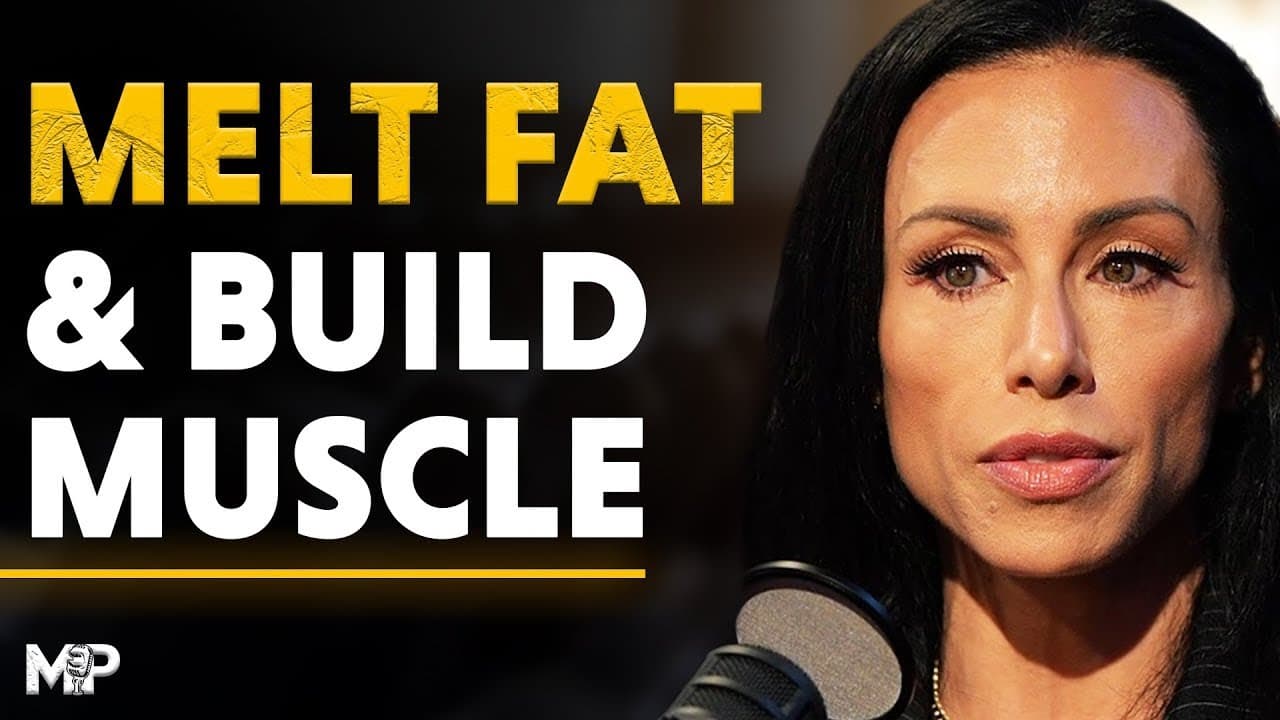
The #1 Key to Aging Gracefully: Build QUALITY Muscle & Transform Your Life | Dr. Gabrielle Lyon 2187
TL;DR
Muscle health is crucial for aging well and preventing chronic diseases.
Transcript
today's episode we have the pioneer of muscle science Dr Gabriel lion she's the one that essentially coined the the phrase we are not un overfat we are under mused she studies understands and explains how muscle mass muscle itself is a healthy organ how having too little muscle is probably the cause of most of our chronic health issues not that we ... Read More
Key Insights
- Dr. Gabrielle Lyon emphasizes the importance of muscle as a protective organ against chronic diseases, suggesting that the issue is not being overfat but undermuscled.
- Muscle plays a critical role in glucose disposal and insulin resistance, impacting conditions like cardiovascular disease, Alzheimer's, and diabetes.
- The current medical paradigm often overlooks muscle mass in favor of body fat measurements, which can lead to misdiagnosis and improper treatment.
- Strength training is highlighted as the most effective exercise for improving insulin sensitivity and reducing the risk of various diseases, including cancer.
- The conversation around nutrition is heavily influenced by politics, with historical shifts in dietary recommendations often driven by non-nutritional factors.
- Protein is often misunderstood; it should be considered in terms of individual amino acids, each with unique biological roles essential for health.
- Creatine, traditionally seen as a performance supplement, is now recognized for its potential longevity benefits, particularly in supporting muscle and cognitive health.
- There is a growing anti-animal product narrative that could lead to nutrient deficiencies, particularly in children, affecting their long-term health and development.
Install to Summarize YouTube Videos and Get Transcripts
Explore YouTube Video Summarizer or Get YouTube Transcript Extractor
Questions & Answers
Q: What is the primary message Dr. Gabrielle Lyon is conveying about muscle?
Dr. Gabrielle Lyon's primary message is that muscle is a critical organ for health and longevity. She argues that many chronic health issues are not due to being overfat but rather undermuscled. Muscle plays a crucial role in glucose disposal and insulin resistance, impacting conditions like cardiovascular disease and diabetes. By focusing on building and maintaining muscle, individuals can significantly improve their health outcomes.
Q: How does muscle affect insulin resistance and chronic diseases?
Muscle acts as a major site for glucose disposal, which is crucial for managing insulin resistance. Insulin resistance is a precursor to many chronic diseases, including cardiovascular disease, Alzheimer's, and diabetes. By improving muscle mass and quality, individuals can enhance their body's ability to manage glucose and insulin levels, thereby reducing the risk of these diseases. This makes muscle health a vital component of overall health management.
Q: Why is strength training emphasized over other forms of exercise?
Strength training is emphasized because it is particularly effective at improving insulin sensitivity and muscle health, which are critical for preventing chronic diseases. Unlike other forms of exercise, strength training directly contributes to building muscle mass and strength, which are essential for metabolic health. It also offers benefits such as improved bone density, better hormonal balance, and enhanced cognitive function, making it a comprehensive approach to health and longevity.
Q: What role does protein play in muscle health and overall nutrition?
Protein is fundamental for muscle health as it provides the essential amino acids required for muscle maintenance and growth. Dr. Lyon stresses the importance of considering protein not just as a macronutrient but as a collection of individual amino acids, each with unique roles in the body. Adequate protein intake supports muscle protein synthesis, hormonal balance, and overall metabolic health. It's crucial for maintaining muscle mass, especially as one ages.
Q: How are dietary guidelines influenced by politics, according to Dr. Lyon?
Dr. Lyon points out that dietary guidelines have historically been influenced by political and economic factors rather than purely nutritional science. She highlights how post-World War II policies aimed at addressing national health issues led to the establishment of dietary guidelines that may not align with current nutritional science. This political influence continues to shape public perceptions and policies around nutrition, often leading to misinformation and confusion.
Q: What concerns does Dr. Lyon express about the anti-animal product narrative?
Dr. Lyon is concerned that the growing anti-animal product narrative could lead to widespread nutrient deficiencies, particularly in children. Animal products provide essential nutrients that are difficult to obtain in sufficient quantities from plant-based sources alone. She worries that this narrative, if unchecked, could result in long-term health consequences, including impaired cognitive and physical development in children, due to inadequate intake of essential amino acids and other nutrients.
Q: What is the potential of creatine as a longevity supplement?
Creatine, traditionally known as a performance-enhancing supplement, is gaining recognition for its potential longevity benefits. It supports muscle health and cognitive function, both of which are crucial for aging well. By improving muscle mass and energy metabolism, creatine can help mitigate age-related declines in physical and mental capacities. Dr. Lyon suggests that its benefits may be particularly pronounced in individuals with lower dietary intake of creatine-rich foods.
Q: Why is muscle considered an anti-cancer organ?
Muscle is considered an anti-cancer organ because it plays a significant role in metabolic health, which is closely linked to cancer risk. Muscle mass helps regulate glucose and insulin levels, reducing the risk of insulin resistance, a condition associated with increased cancer risk. Additionally, muscle tissue can help mitigate the effects of cancer cachexia, a wasting syndrome that affects many cancer patients. By maintaining muscle mass, individuals can improve their resilience against cancer and its treatments.
Summary & Key Takeaways
-
Dr. Gabrielle Lyon advocates for a shift in focus from body fat to muscle health, arguing that muscle is a crucial organ for overall health. She explains how muscle plays a significant role in glucose disposal and insulin resistance, which are linked to various chronic diseases.
-
The discussion highlights the slow adaptation of the medical community to recognize muscle mass as a key health indicator. Strength training is presented as a powerful tool for improving metabolic health and reducing disease risk, with muscle being central to these benefits.
-
The conversation also delves into the political influences on dietary guidelines and the importance of understanding protein as a collection of essential amino acids. The potential of creatine as a longevity supplement and the risks of an anti-animal product narrative are also discussed.
Read in Other Languages (beta)
Share This Summary 📚
Summarize YouTube Videos and Get Video Transcripts with 1-Click
Try YouTube Summary with ChatGPT & Claude or YouTube Transcript Generator
Explore More Summaries from Mind Pump Show 📚


Summarize YouTube Videos and Get Video Transcripts with 1-Click
Try YouTube Summary with ChatGPT & Claude or YouTube Transcript Generator