What Kind of a Hike Was It?
TL;DR
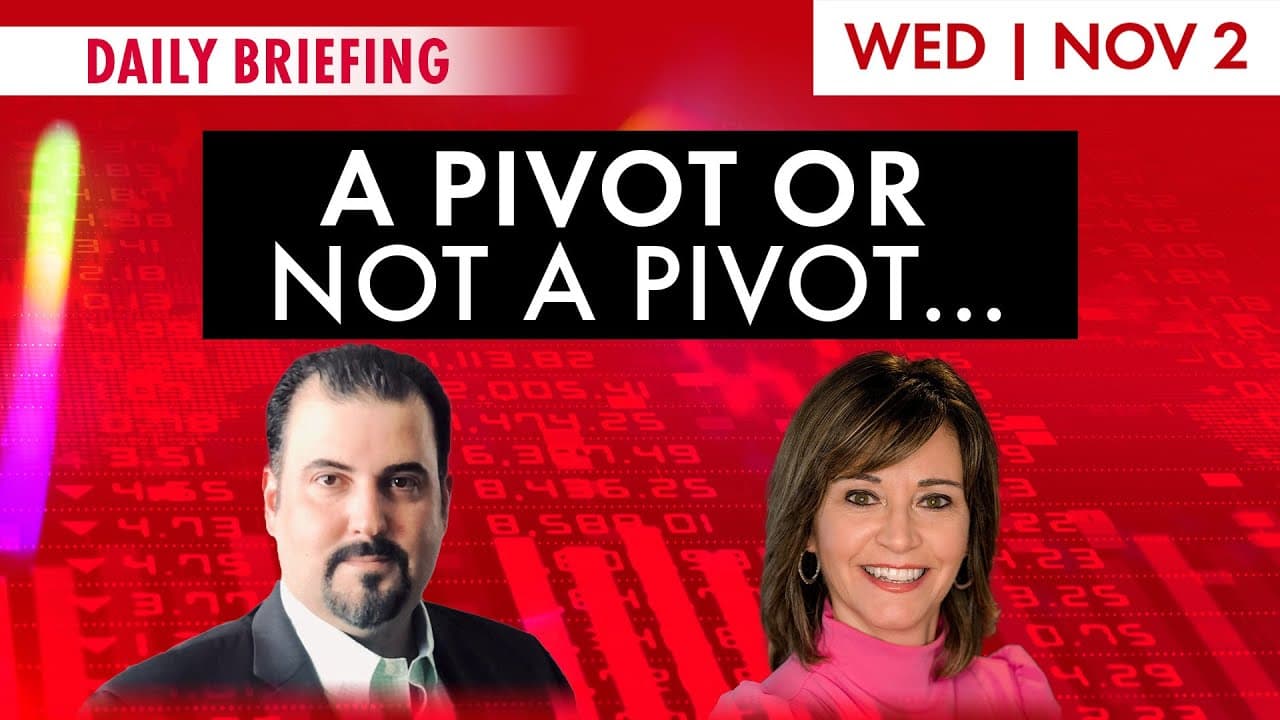
The Federal Reserve raises benchmark fed funds rate by 75 basis points, signaling a hawkish stance and pushing markets down sharply.
Transcript
foreign how high will Fed rates have to go hi everyone Welcome to the Real Vision Daily Briefing with me today is George goncalves head of U.S macro strategy at mufg Securities hi George great to see you again great to be honest especially on third day I know and boy it has been one heck of a sort of You Know Drama driven last couple of hours of tr... Read More
Key Insights
- 👶 The Fed has taken a more hawkish stance under the new chair, signaling a willingness to break things in order to regain credibility in controlling inflation.
- ✋ The market is uncertain about how high the Fed rates will need to go, but the expectation is higher than the current level of 5% to combat inflation.
- 🥺 The labor market remains strong, but the Fed is cautious about wage increases leading to higher inflation expectations.
- 🙈 The strong dollar is seen as beneficial in an inflationary environment, as it helps in controlling import costs.
- 💵 Other central banks around the world might struggle to keep up with the Fed's tightening actions, leading to potential volatility in markets and a stronger dollar.
- 🧑💼 Short-term treasuries are considered a safe haven in the current environment, but liquidity concerns and potential bond market sell-offs are risks to be mindful of.
Install to Summarize YouTube Videos and Get Transcripts
Explore YouTube Video Summarizer or Get YouTube Transcript Extractor
Questions & Answers
Q: What was the outcome of the Federal Reserve's decision to raise interest rates?
The Federal Reserve raised interest rates by 75 basis points, as widely expected. However, the market reacted negatively due to confusion caused by the language surrounding the decision.
Q: How high do the Fed rates need to go, according to market expectations?
The market currently expects a level higher than 5%, based on the Fed's indication that the terminal rate will need to be higher than previously expected to combat inflation.
Q: What is the Fed's primary concern in tightening monetary policy?
The Fed's primary concern is controlling inflation. They are cautious about wage increases leading to a wage-price spiral and higher inflation expectations.
Q: Is the current inflationary environment a structural shift or temporary?
There is a debate about whether the current inflationary environment is a structural shift or temporary. It is important to consider inflation-protected securities in investment strategies to account for potential future inflation.
Summary & Key Takeaways
-
The Federal Reserve has raised interest rates as expected, but the language surrounding the decision has caused confusion in the markets, leading to a sharp decline in stock prices.
-
The new Fed chair, Jay Powell, is taking a different approach compared to his predecessors, signaling a more hawkish stance and indicating that the Fed will continue tightening monetary policy.
-
It is unclear how high the Fed rates will need to go, but the market expects a level higher than the current 5% to combat inflation.
-
The Fed's primary concern is inflation, and they aim to tighten financial conditions to control it. They believe a strong dollar is beneficial in an inflationary environment.
-
The labor market remains strong, but the Fed is cautious about wage increases leading to a wage-price spiral and higher inflation expectations.
-
There is a debate about whether the current inflationary environment is a structural shift or temporary, but it is important to consider inflation-protected securities in investment strategies.
Read in Other Languages (beta)
Share This Summary 📚
Summarize YouTube Videos and Get Video Transcripts with 1-Click
Try YouTube Summary with ChatGPT & Claude or YouTube Transcript Generator
Explore More Summaries from Real Vision Daily Briefing 📚

Summarize YouTube Videos and Get Video Transcripts with 1-Click
Try YouTube Summary with ChatGPT & Claude or YouTube Transcript Generator