Preparing for Deglobalization | DAVOS AGENDA 2021
TL;DR
Pandemic accelerates deglobalization trends, affecting global supply chains, policy responses, and social narratives.
Transcript
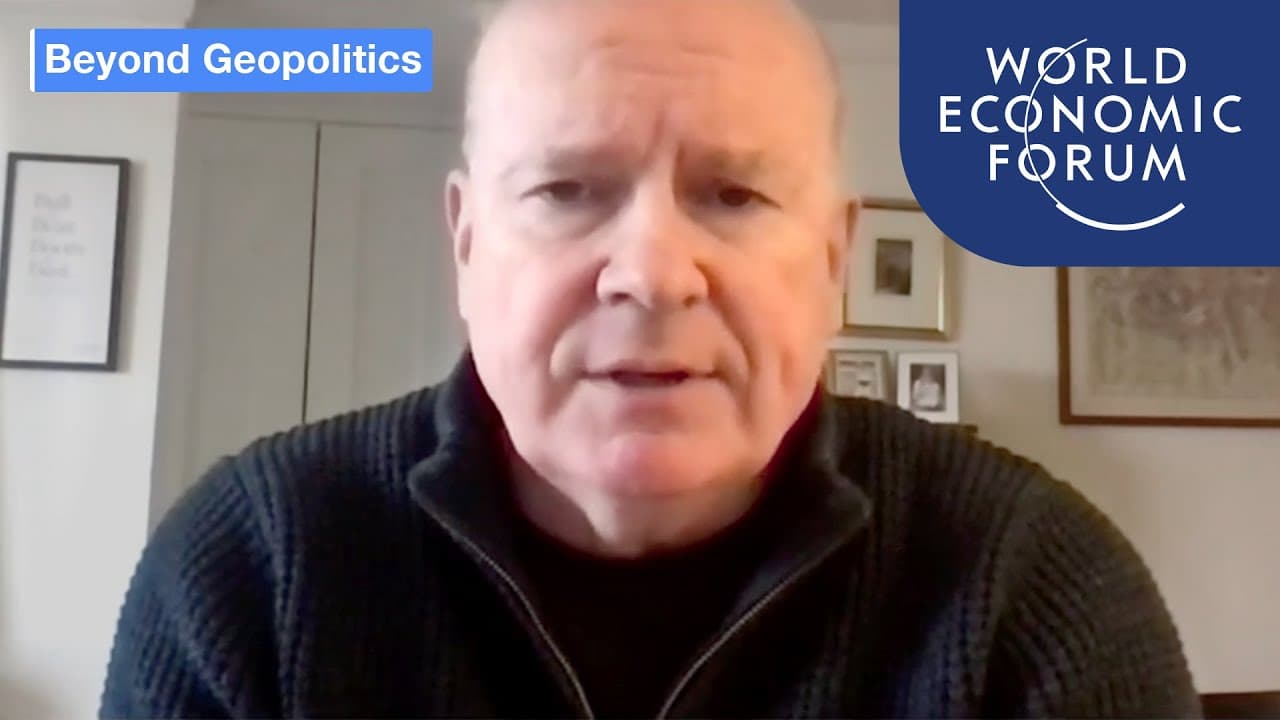
good morning from uh new york good afternoon to those of you in europe and good evening uh to those in asia and elsewhere if i've missed anyone out apologize uh welcome to this uh briefing panel um for the world economic forum i'm jerry baker i'm the editor at large of the wall street journal it's a great pleasure to be here and thank you indeed to... Read More
Key Insights
- 🌐 Pandemic accelerates deglobalization by disrupting global supply chains and intensifying policy responses.
- 👋 Globalization stalls in trading goods while digitally delivered services experience significant growth.
- 🧑⚕️ Policy responses reflect a shift towards protecting domestic workers and promoting local manufacturing.
- 😫 Government involvement in the economy increases, particularly in aiding industries and setting global rules.
- 🌐 Opportunities for international cooperation exist in addressing global challenges like vaccines, taxes, and climate change.
- 🧚 Unions advocate for fair labor practices and decent wages, influencing policy directions.
- 🥺 Finding a balance between globalization and deglobalization requires a focus on sustainable wage-led growth.
Install to Summarize YouTube Videos and Get Transcripts
Explore YouTube Video Summarizer or Get YouTube Transcript Extractor
Questions & Answers
Q: How has the pandemic accelerated deglobalization trends?
The pandemic has disrupted global supply chains, intensified policy responses favoring domestic manufacturing, and highlighted the importance of secure local production.
Q: Why has trading goods stagnated while digitally delivered services thrive?
Trading goods stalled due to trade wars, policy uncertainty, and weaker growth, contrasting with the organic growth of digitally delivered services without global regulation.
Q: What role do unions and governments play in reshaping the global economic landscape?
Unions push for labor protections and fair wages, while governments are increasingly involved in supporting domestic industries, leading to a shift towards state involvement in the economy.
Q: Can international cooperation bridge the gap between globalization and deglobalization?
International cooperation on various fronts, such as vaccines, taxes, and climate change, presents opportunities to navigate the challenges between globalization and deglobalization.
Summary & Key Takeaways
-
Pandemic accelerates deglobalization trends by disrupting global supply chains and intensifying policy responses towards domestic manufacturing.
-
Globalization shifts towards digital services growth while stagnating in trading goods and foreign direct investment.
-
Political responses to globalization focus on domestic workforce protection, leading to a reevaluation of global economic integration.
Read in Other Languages (beta)
Share This Summary 📚
Summarize YouTube Videos and Get Video Transcripts with 1-Click
Try YouTube Summary with ChatGPT & Claude or YouTube Transcript Generator
Explore More Summaries from World Economic Forum 📚
Summarize YouTube Videos and Get Video Transcripts with 1-Click
Try YouTube Summary with ChatGPT & Claude or YouTube Transcript Generator