What Is the Mr. Puppet Thought Experiment About?
TL;DR
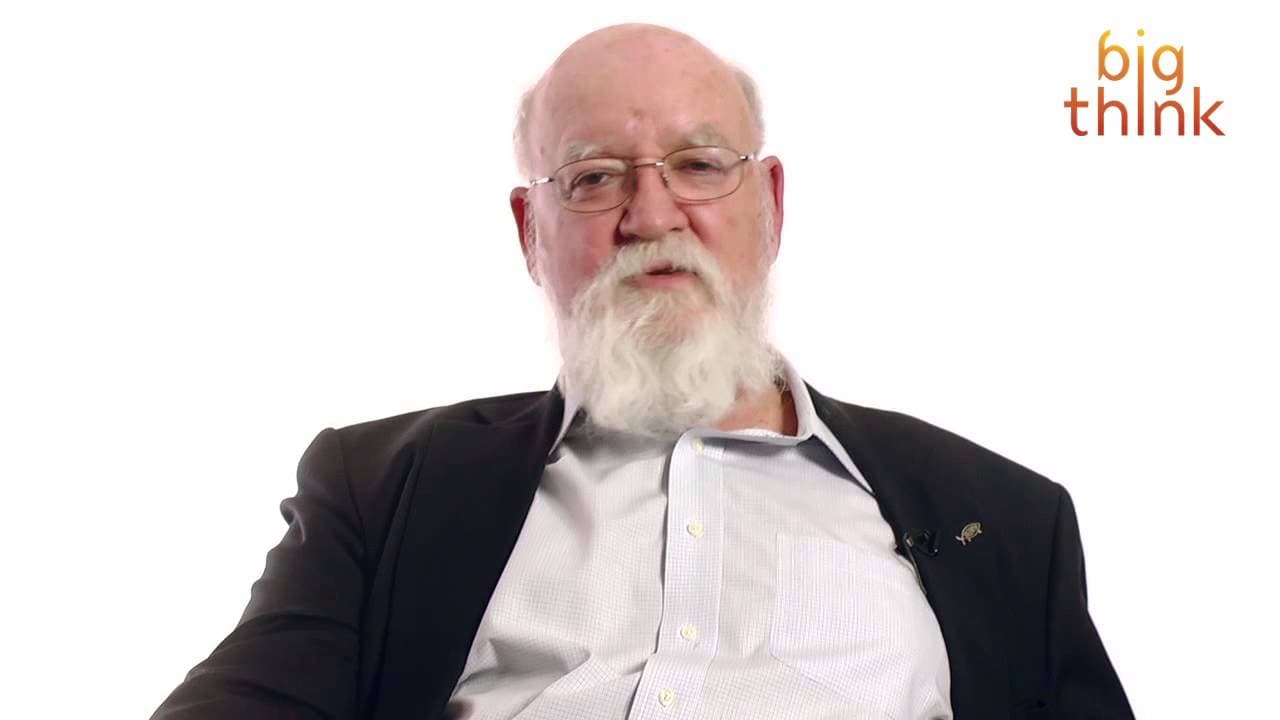
The Mr. Puppet thought experiment examines the concepts of moral responsibility and free will by presenting a character created to commit crimes. Philosopher Daniel Dennett critiques this experiment for its misleading framing, arguing that small details can significantly affect our perception of accountability. He emphasizes the importance of using clear and meaningful examples in philosophical discussions.
Transcript
Scientists and philosophers like to think that they're very sober, rational people who are above the need to advertise. And yet, if you look closely you'll see that they often go to great lengths to come up with a vivid memorable term, a label for their theory or a name for it that will stick in people's head. In other words, they're trying to deve... Read More
Key Insights
- 🍉 Vivid terms are used as branding in philosophy to make complex ideas more accessible.
- 🤔 The Mr. Puppet thought experiment highlights questions of responsibility and free will.
- 🤔 Small details in thought experiments can drastically alter their implications.
- 😒 Daniel Dennett criticizes the use of misleading or irrelevant examples in philosophical discourse.
- 🤔 Naming and framing of characters in thought experiments can affect how we interpret moral agency.
- 💭 Intuitive examples should be meaningful and thought-provoking rather than misleading.
- 🤔 The Mr. Puppet thought experiment challenges traditional notions of responsibility and intentionality.
Install to Summarize YouTube Videos and Get Transcripts
Explore YouTube Video Summarizer or Get YouTube Transcript Extractor
Questions & Answers
Q: How do scientists and philosophers use vivid terms to convey complex ideas?
Scientists and philosophers use vivid terms to create memorable examples that help make abstract concepts more understandable to a wider audience. By employing relatable analogies and characters, they can effectively convey complex ideas.
Q: What is the Mr. Puppet thought experiment, and what does it aim to explore?
The Mr. Puppet thought experiment involves a character created by evil doctors with the intention to commit crimes. It challenges the notion of responsibility and raises questions about free will and moral agency.
Q: Why did Daniel Dennett criticize the Mr. Puppet thought experiment?
Daniel Dennett criticized the Mr. Puppet thought experiment because he deemed it a bad intuition pump. He argued that the use of vivid examples should be meaningful and not misleading in philosophical discourse.
Q: How can changing minor details in a thought experiment alter its implications?
Changing small details in a thought experiment, like altering the name of a character or the nature of a crime, can significantly impact the conclusions drawn from it. It demonstrates how subtle changes can influence our perceptions of responsibility and moral judgment.
Summary & Key Takeaways
-
Scientists and philosophers use vivid, memorable terms to make their theories more relatable.
-
The Mr. Puppet thought experiment explores the idea of responsibility and free will through a fictional character.
-
Details in thought experiments can significantly affect how we perceive responsibility and wrongdoing.
Read in Other Languages (beta)
Share This Summary 📚
Summarize YouTube Videos and Get Video Transcripts with 1-Click
Try YouTube Summary with ChatGPT & Claude or YouTube Transcript Generator
Explore More Summaries from Big Think 📚



Summarize YouTube Videos and Get Video Transcripts with 1-Click
Try YouTube Summary with ChatGPT & Claude or YouTube Transcript Generator