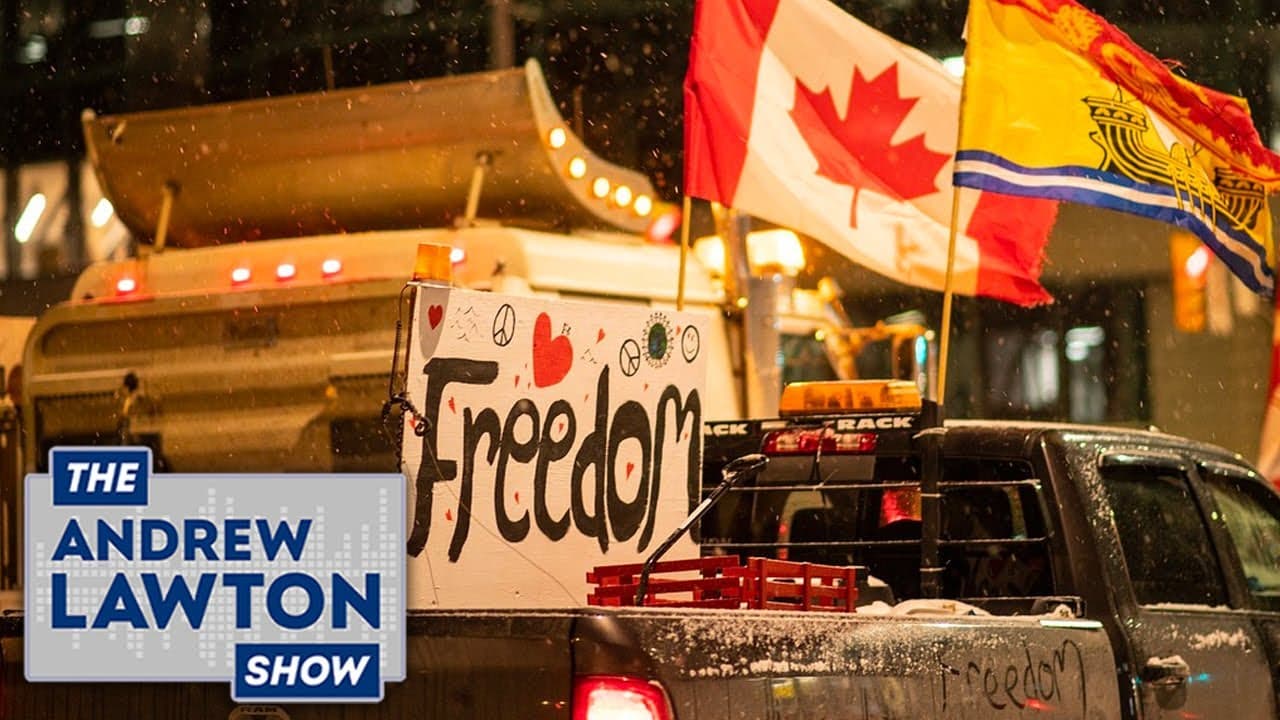
On C2C: Are Freedom Convoy figures being politically persecuted?
TL;DR
The discussion highlights concerns regarding politicized prosecutions in Canada’s justice system.
Transcript
you're tuned in to the Andrew lton show one of the most worrying Trends we have seen in Canada in the last couple of years has been the weaponization of the judicial process and how first off absent the judicial process is when it comes to matters of civil liberty but even when you look at the way that certain cases are prosecuted we've all seen st... Read More
Key Insights
- 💼 Canada's judicial process has been criticized for becoming politicized, particularly in cases related to protests.
- ✋ High-profile cases like those of Tamara Leach and Chris Barber reveal inconsistencies in how the justice system treats different offenders.
- 💗 Public distrust in the judicial system is growing, fueled by perceptions of political influence on legal proceedings.
- 🤨 The case against Tamar Leach raises concerns about the rights of individuals and the motivations behind legal prosecution.
- 🖤 Media coverage, or lack thereof, plays a significant role in shaping public understanding of judicial issues and accountability.
- 🧑⚖️ Political appointments of judges contribute to the perception of bias within the judiciary, affecting its credibility.
- 🗽 The discussion indicates a broader trend of concerns over civil liberties under the current administration.
Install to Summarize YouTube Videos and Get Transcripts
Explore YouTube Video Summarizer or Get YouTube Transcript Extractor
Questions & Answers
Q: What specific instances highlight the weaponization of the judicial process in Canada?
The cases of Tamara Leach and Chris Barber, organizers of the Freedom Convoy, illustrate this issue well. They faced lengthy trials after being arrested, unlike many violent offenders who are quickly released on bail. This discrepancy raises concerns about fairness and potential political influence in their prosecutions.
Q: How does the discussion link political leadership to the justice system's current issues?
The speakers suggest that political interference stems from leadership decisions, particularly under Prime Minister Justin Trudeau. Appointments of judges and the pressures they may face create a situation where judicial independence appears compromised, leading to the politicization of cases that should be adjudicated impartially.
Q: In what ways has media coverage influenced public perception of the judiciary?
The discussion criticizes the media for lacking curiosity about judicial issues. The absence of in-depth questions regarding potential political motivations and the treatment of defendants creates a skewed public perception, failing to address systemic problems within the judicial system.
Q: What implications does the politicization of prosecutions have on civil liberties?
When prosecutions become politicized, there’s a risk that justice is administered not based on factual evidence but rather as a means to serve a political agenda. This undermines public trust in the system and threatens the fundamental principles of civil liberties, where individuals should receive fair and impartial treatment under the law.
Q: How do the cases mentioned in the discussion compare to the treatment of violent offenders?
The cases of Leach and Barber demonstrate a stark contrast to the catch-and-release policies for violent offenders. While individuals associated with the Freedom Convoy are facing prolonged legal battles, violent criminals are often swiftly released, suggesting an uneven application of justice based on political considerations rather than legal criteria.
Q: What are the long-term consequences of the current judicial trends discussed?
If politicization continues, it could erode public trust in the justice system, making people question the impartiality and fairness of legal proceedings. This may lead to increased societal divisions and a reluctance to engage with or rely on the legal system, ultimately affecting the rule of law.
Summary & Key Takeaways
-
The conversation critiques the perceived politicization of the judicial process in Canada, particularly in high-profile cases involving protest organizers like Tamara Leach and Chris Barber.
-
It contrasts the lengthy legal processes faced by certain individuals with the rapid release of violent offenders, raising questions about fairness and the integrity of legal proceedings.
-
The discussion references an opinion piece by Gwyn Morgan analyzing the troubling trend of politicized prosecutions and the implications for civil liberties and trust in the justice system.
Read in Other Languages (beta)
Share This Summary 📚
Summarize YouTube Videos and Get Video Transcripts with 1-Click
Try YouTube Summary with ChatGPT & Claude or YouTube Transcript Generator
Explore More Summaries from True North 📚





Summarize YouTube Videos and Get Video Transcripts with 1-Click
Try YouTube Summary with ChatGPT & Claude or YouTube Transcript Generator