How Japan's Diplomacy Impacts Minority Rights
TL;DR
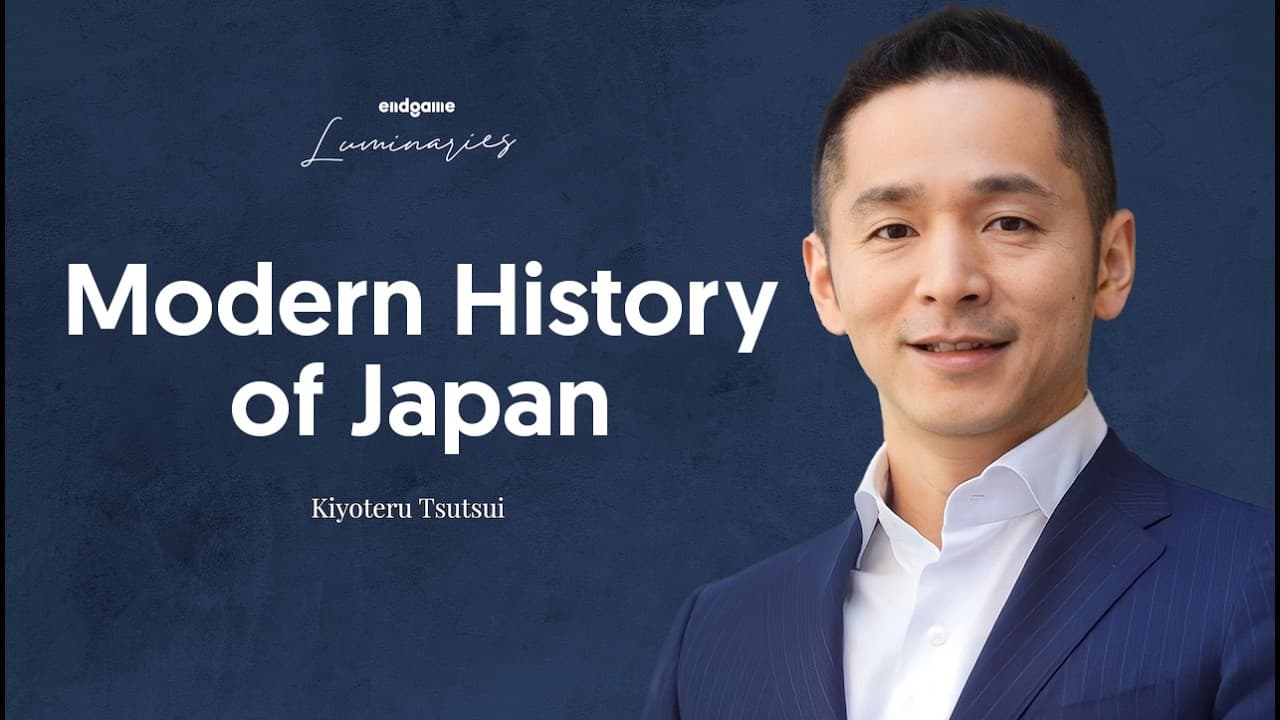
Japan's economic diplomacy and engagement with international human rights norms have significantly influenced minority rights activism within the country. By ratifying key international treaties and embracing global human rights standards, Japan has seen increased activism and improved conditions for minority groups like the Ainu. However, challenges remain, particularly regarding Japan's demographic changes and geopolitical tensions with China.
Transcript
We're not going to push for democracy per se in the sense of free vote and all of that. But democracy here means ‘rule of law’. You have to have predictability if you want to thrive as an economy. So talk about rule of law. You're going to revert back to the liberal democracy and establish the legal setup and go back to what you used to have on tha... Read More
Key Insights
- Japan's economic diplomacy has played a crucial role in shaping minority rights activism within the country.
- The ratification of international human rights treaties has positively impacted minority groups in Japan, such as the Ainu and Zainichi Koreans.
- Civil society and non-state actors are essential in sustaining human rights improvements globally.
- The 1990s were a golden era for global human rights and civil society activity, despite challenges from illiberal states.
- Japan's post-war institutions were built on the idea of national homogeneity, but demographic changes necessitate a shift towards greater heterogeneity.
- Japan's military and defense strategies are evolving in response to regional threats, particularly from China.
- Japan's courteous diplomacy approach in Southeast Asia has fostered trust and economic cooperation.
- Rule of law is emphasized over democracy in Japan's foreign policy to ensure economic predictability and investment.
Install to Summarize YouTube Videos and Get Transcripts
Explore YouTube Video Summarizer or Get YouTube Transcript Extractor
Questions & Answers
Q: How has Japan's economic diplomacy influenced minority rights activism?
Japan's economic diplomacy, through engaging with international human rights norms and treaties, has significantly influenced minority rights activism within the country. By ratifying key treaties and embracing global standards, Japan has seen increased activism among minority groups like the Ainu, leading to improved conditions. This approach has also fostered trust and economic cooperation in Southeast Asia.
Q: What role do civil society and non-state actors play in global human rights?
Civil society and non-state actors are essential in sustaining human rights improvements globally. They help mediate the impact of international human rights treaties by pushing governments to deliver on their promises. A vibrant civil society can indirectly lead to positive changes in human rights practices, even in countries with less favorable conditions.
Q: Why is the 1990s considered a golden era for global human rights?
The 1990s are considered a golden era for global human rights due to the end of the Cold War, which allowed for the expansion of human rights institutions and civil society activities. During this time, the ideas of universal human rights spread globally, empowering many activists and leading to significant advancements, despite some challenges like genocides that couldn't be prevented.
Q: Why does Japan emphasize rule of law over democracy in its foreign policy?
Japan emphasizes rule of law over democracy in its foreign policy to ensure economic predictability and foster investment. By focusing on legal infrastructure and predictability, Japan aims to create a stable environment for economic growth. This approach also aligns with Japan's diplomatic strategy, particularly in Southeast Asia, where it seeks to foster trust and cooperation without imposing Western democratic values.
Q: How is Japan's military strategy evolving in response to regional threats?
Japan's military strategy is evolving in response to regional threats, particularly from China. The country is expanding its defense budget and capabilities, driven by concerns about China's military growth and geopolitical tensions. Public support for increased military capacity has grown, especially after witnessing global events like Russia's invasion of Ukraine, highlighting the need for preparedness in East Asia.
Q: What challenges does Japan face in becoming more heterogeneous?
Japan faces challenges in becoming more heterogeneous due to its post-war institutions, which were built on the idea of national homogeneity. Demographic changes, such as a declining population, necessitate a shift towards greater heterogeneity. This includes integrating more women into the workforce and attracting skilled immigrant labor, which requires significant adjustments in Japan's social and economic policies.
Q: How does Japan's courteous diplomacy approach benefit Southeast Asia?
Japan's courteous diplomacy approach benefits Southeast Asia by fostering trust and economic cooperation. This strategy, rooted in respect for ASEAN's autonomy and non-interference in domestic affairs, has strengthened Japan's relationships in the region. By providing economic aid and consultation, Japan has built a reputation as a reliable partner, which has been crucial in maintaining stability and promoting development in Southeast Asia.
Q: What impact does rule of law have on economic development?
Rule of law has a significant impact on economic development by providing predictability and stability, which are essential for attracting investment. Legal infrastructure ensures that contracts are observed, reducing risks for businesses and fostering a conducive environment for economic growth. Countries with strong rule of law tend to experience more robust economic development, as seen in examples like Singapore.
Summary & Key Takeaways
-
Japan's diplomatic efforts have significantly influenced minority rights activism within the country. By engaging with international human rights norms and treaties, Japan has seen increased activism among minority groups like the Ainu, leading to improved conditions. However, demographic challenges and geopolitical tensions with China persist, necessitating a shift towards greater heterogeneity and strategic defense planning.
-
The role of civil society and non-state actors is crucial in sustaining human rights improvements globally. The 1990s marked a golden era for global human rights, but challenges from illiberal states continue to pose threats. Japan's diplomatic approach, particularly in Southeast Asia, emphasizes rule of law over democracy to ensure economic predictability and foster trust.
-
Japan's post-war institutions were built on the idea of national homogeneity, but demographic changes necessitate a shift towards greater heterogeneity. Japan's military and defense strategies are evolving in response to regional threats, particularly from China. The country's courteous diplomacy in Southeast Asia has fostered trust and economic cooperation, highlighting the importance of rule of law in foreign policy.
Read in Other Languages (beta)
Share This Summary 📚
Summarize YouTube Videos and Get Video Transcripts with 1-Click
Try YouTube Summary with ChatGPT & Claude or YouTube Transcript Generator
Explore More Summaries from Gita Wirjawan 📚




Summarize YouTube Videos and Get Video Transcripts with 1-Click
Try YouTube Summary with ChatGPT & Claude or YouTube Transcript Generator