How to Be Alone | The Wisdom of Solitude
TL;DR
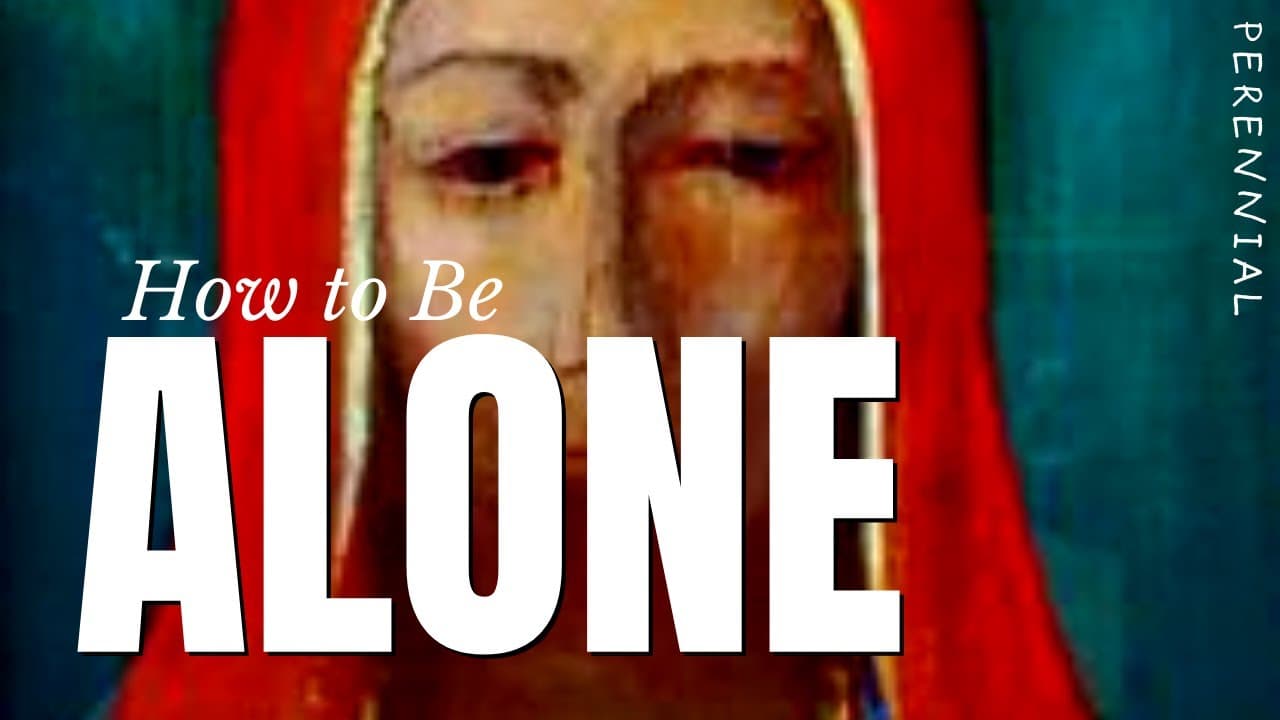
Learning to be alone can lead to inner peace and deeper connections with others, even though it may initially be challenging.
Transcript
how might your life change if you learned how to be alone according to the trappist monk thomas merton learning to be alone is a path to peace and connection one of life's many paradoxes merton wrote the person who fears to be alone will never be anything but lonely no matter how much they surround themselves with people similarly blaise pascal wro... Read More
Key Insights
- 🥺 Solitude leads to both inner peace and stronger connections with others.
- 😨 Resistance to solitude may stem from fear or a lack of understanding.
- 🤳 Learning to be alone is a path to personal growth and self-discovery.
- ⁉️ Solitude is not about avoiding conflict or doubt, but embracing deeper questions and emotions.
- 🍳 It is important to differentiate solitude from a mere break from our busy lives.
- 👻 Solitude allows us to belong to ourselves and truly understand who we are.
- ❓ External distractions and doubts may arise when attempting to be alone, but they can be overcome.
Install to Summarize YouTube Videos and Get Transcripts
Explore YouTube Video Summarizer or Get YouTube Transcript Extractor
Questions & Answers
Q: What is the significance of learning to be alone?
Learning to be alone is important because it allows us to find inner peace, deepen our connections with others, and understand ourselves better. It is a path to personal growth and self-discovery.
Q: Why do we sometimes resist solitude?
We may resist solitude because of external pressures or a fear of facing our own thoughts and emotions. It is common for to-do lists, distractions, and doubts to arise when attempting to be alone.
Q: What does Trappist monk Thomas Merton say about solitude?
Merton believes that solitude is not an escape from conflict or doubt, but a way to awaken deeper questions and tragic anguish within ourselves. It is a contemplative experience that can lead to growth.
Q: How does solitude differ from a time out or break from our busy lives?
Solitude is not simply about taking a break or reducing stress. It is about connecting with ourselves, understanding our own desires and needs, and ultimately finding a sense of belonging within ourselves.
Key Insights:
- Solitude leads to both inner peace and stronger connections with others.
- Resistance to solitude may stem from fear or a lack of understanding.
- Learning to be alone is a path to personal growth and self-discovery.
- Solitude is not about avoiding conflict or doubt, but embracing deeper questions and emotions.
- It is important to differentiate solitude from a mere break from our busy lives.
- Solitude allows us to belong to ourselves and truly understand who we are.
- External distractions and doubts may arise when attempting to be alone, but they can be overcome.
- Solitude serves as the foundation for building meaningful connections and community.
Summary & Key Takeaways
-
Solitude is a path to both peace and connection, according to Trappist monk Thomas Merton and philosopher Blaise Pascal.
-
Learning to be alone helps transform our relationships with others and allows us to belong to ourselves.
-
The fear of solitude may arise due to a lack of understanding or a desire to avoid conflict and doubt.
Read in Other Languages (beta)
Share This Summary 📚
Summarize YouTube Videos and Get Video Transcripts with 1-Click
Try YouTube Summary with ChatGPT & Claude or YouTube Transcript Generator
Explore More Summaries from Perennial Meditations 📚

Summarize YouTube Videos and Get Video Transcripts with 1-Click
Try YouTube Summary with ChatGPT & Claude or YouTube Transcript Generator