P.E.I. councillor faces removal for sharing the wrong opinion
TL;DR
The ongoing debate in Canada focuses on potential free speech restrictions impacting civil liberties on social media.
Transcript
you're tuned in to the Andrew lton show want to welcome into the show Josh deaz who is a lawyer with the Canadian Constitution Foundation where he is also a preeminent podcast host a competitor but he does great work over there alongside Christine vany and Joanna Baron Josh good to have you back on the show thanks for coming on good to be here so I... Read More
Key Insights
- 🤨 Legislative proposals in Canada threaten to limit free speech online, raising concerns among civil liberty advocates.
- 😑 The case of John Robertson illustrates tensions between local governance, political expression, and the role of public opinion.
- 😑 Defining hate speech remains contentious, highlighting the subjectivity inherent in interpreting legal frameworks regarding expression.
- 😀 Social media platforms face a dilemma between compliance with emerging laws and preserving user-generated content rights.
- 😑 Local council codes of conduct are increasingly applied to political expressions, risking misuse for suppressing dissenting opinions.
- 💁 The potential withdrawal of social media platforms from Canada poses significant implications for public discourse and information accessibility.
- 🫥 Public sentiment may not always align with visible opposition, indicating a complex landscape of support for free speech.
Install to Summarize YouTube Videos and Get Transcripts
Explore YouTube Video Summarizer or Get YouTube Transcript Extractor
Questions & Answers
Q: What does the proposed legislation in Canada entail regarding online speech?
The proposed legislation, particularly if resembling Bill C-36, could introduce strict penalties, including hefty fines for online expressions deemed offensive. Such measures have raised significant alarm among civil liberties advocates, who argue that these regulations may infringe on constitutional rights to free speech, causing potential legal battles.
Q: How has social media’s role changed since the repeal of Section 13?
Since the repeal of Section 13, social media platforms have gained substantial prominence in public discourse. They now act as key channels for information exchange, making the potential regulation of harmful speech particularly contentious as companies like Facebook grapple with compliance, risking withdrawal from the Canadian market due to stringent legislation.
Q: What was the nature of the controversy surrounding John Robertson's sign?
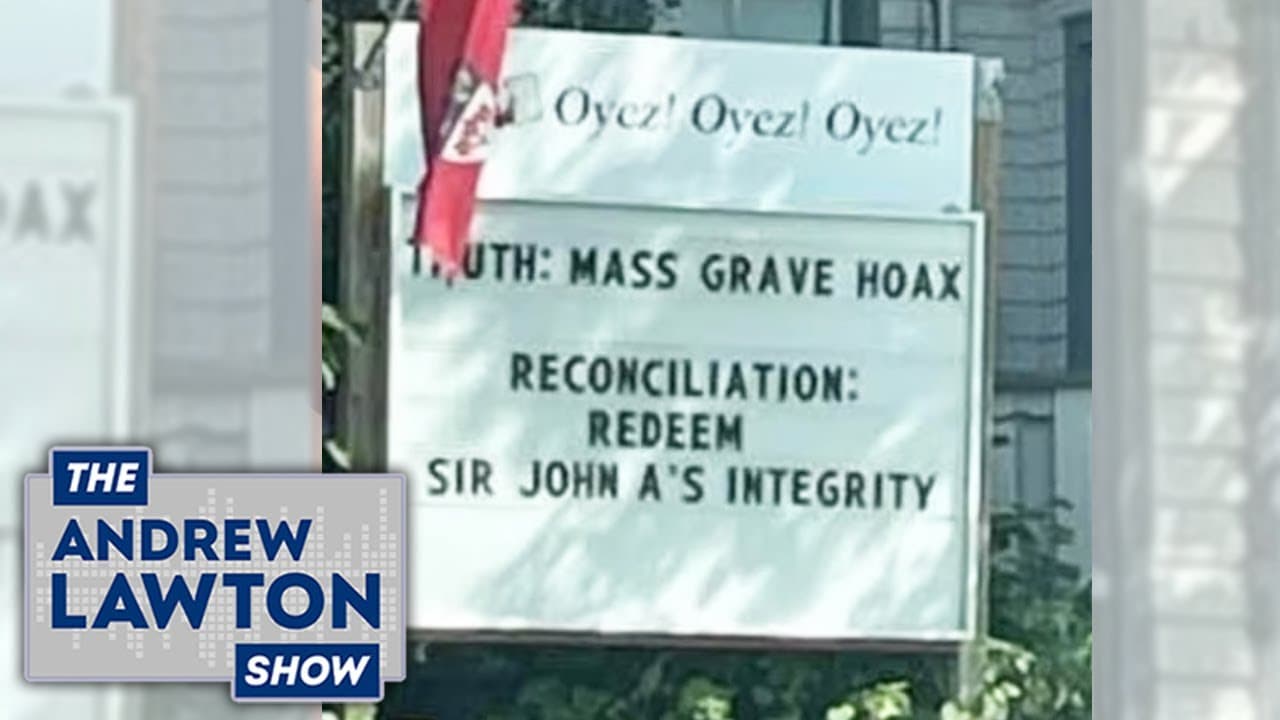
John Robertson, a municipal counselor, displayed a sign addressing the narrative surrounding mass graves and residential schools. His sign, seen as a political statement, led to investigations and sanctions against him for a perceived breach of the local council’s code of conduct, igniting a significant debate on the limits of political expression by public officials.
Q: Why are local governance codes of conduct being applied to political speech?
Local governance codes of conduct are ostensibly designed to ensure ethical conduct among elected officials. However, these codes are increasingly being weaponized against political speech, as seen in Robertson's case where his personal expression of opinion is being scrutinized under municipal standards, raising alarms about their implications for democratic processes.
Q: Are there legal avenues for individuals censored by social media platforms?
While individuals may seek legal challenges against censorship, the effectiveness of such actions remains uncertain, especially when companies like Facebook craft policies to comply with new regulations. Legal experts suggest that without corporate involvement in charter challenges, recourse may be limited, complicating individual users' ability to contest unfair content removal.
Q: How does public perception factor into these free speech debates?
Public perception plays a crucial role, especially when controversial topics emerge. In Robertson's situation, while vocal opposition arose, many supporters remain silent, indicating a hidden majority that may support free speech rights. This dynamic underscores the complexities of gauging public sentiment and the implications for political mandates at local levels.
Summary & Key Takeaways
-
Lawyer Josh Deaz discusses recent proposed legislation in Canada that could have severe implications for free speech and civil liberties, particularly regarding online expression and content moderation by social media platforms.
-
The case of John Robertson, a municipal counselor facing sanctions for a politically charged sign, highlights the struggle between local governance and political expression, raising concerns about constitutional protections of free speech.
-
Deaz emphasizes the convoluted nature of defining hate speech versus free speech, indicating that recent legislative developments may lead to more challenges for individuals seeking legal recourse against censorship.
Read in Other Languages (beta)
Share This Summary 📚
Summarize YouTube Videos and Get Video Transcripts with 1-Click
Try YouTube Summary with ChatGPT & Claude or YouTube Transcript Generator
Explore More Summaries from True North 📚
Summarize YouTube Videos and Get Video Transcripts with 1-Click
Try YouTube Summary with ChatGPT & Claude or YouTube Transcript Generator