11 Things NOT to do in Japan - MUST SEE BEFORE YOU GO!
TL;DR
Avoid these 11 etiquette mistakes when visiting Japan.
Transcript
[Laughter] Japan has a rich and complex culture then make it a favorite travel destination of many but also makes the country really easy for tourists to embarrass themselves in here are eleven things that you should absolutely not do while in Japan number one don't tip tipping is not a part of Japanese culture and so it will probably come ... Read More
Key Insights
- Tipping is not customary in Japan and can be considered insulting, so it's best to avoid tipping in restaurants or other service areas.
- Tattoos are often associated with criminal organizations in Japan, so it's advised to cover them, especially in public baths and pools.
- When paying in stores, use the provided tray to place your cash, as handing money directly to cashiers is not the norm.
- Some restaurants in Japan may not serve foreigners, a practice rooted in cultural xenophobia, though it's not widespread.
- Maintaining a low volume on trains is crucial in Japan, as speaking loudly or on the phone is considered disrespectful.
- Proper chopstick etiquette includes not pointing them at people, not crossing them, and avoiding sticking them upright in rice.
- It's customary to remove shoes indoors in Japan, with many homes and some restaurants providing slippers for guests.
- In social drinking scenarios, always pour drinks for others before yourself, and use both hands when receiving a drink.
Install to Summarize YouTube Videos and Get Transcripts
Explore YouTube Video Summarizer or Get YouTube Transcript Extractor
Questions & Answers
Q: Why is tipping not customary in Japan?
Tipping is not a part of Japanese culture and can be perceived as rude or insulting. In Japan, excellent service is considered standard, and workers take pride in their jobs without expecting extra rewards. Additionally, some places use vending machines for ordering, eliminating the need for tipping.
Q: What is the cultural significance of tattoos in Japan?
In Japan, tattoos are historically linked to the Yakuza, the country's organized crime syndicates. This association has led to a societal stigma against tattoos, resulting in many public places like pools and bathhouses prohibiting entry to individuals with visible tattoos, as they may be seen as threatening or inappropriate.
Q: How should cash transactions be conducted in Japan?
When conducting cash transactions in Japan, it is customary to use a small tray provided at the cashier's counter to place your money. This practice ensures that both parties can see the transaction clearly, prevents coins from falling, and is considered more polite than handing money directly to the cashier.
Q: Why might some Japanese restaurants not serve foreigners?
Some Japanese restaurants may not serve foreigners due to cultural xenophobia or the belief that non-Japanese customers might not understand or respect local dining customs. This practice is not widespread, and most establishments welcome tourists, but it's important to be aware of this possibility.
Q: What are some key points of chopstick etiquette in Japan?
Key points of chopstick etiquette in Japan include not pointing them at others, not crossing them, and not sticking them upright in a bowl of rice, as this resembles a funeral ritual. Additionally, avoid rubbing chopsticks together after breaking them apart, as it implies they are of poor quality.
Q: What is the etiquette for wearing shoes indoors in Japan?
In Japan, it is customary to remove shoes before entering a home or certain restaurants to keep the indoor environment clean. Guests are often provided with slippers to wear indoors. This practice reflects the Japanese emphasis on cleanliness and respect for personal and shared spaces.
Q: How should drinks be handled in social settings in Japan?
In Japan, social drinking involves several etiquette rules, such as pouring drinks for others before serving yourself and using both hands to receive a drink as a sign of respect. Additionally, leaving your glass full when you don't want more is a subtle way to indicate you have had enough.
Q: What is the proper way to eat sushi in Japan?
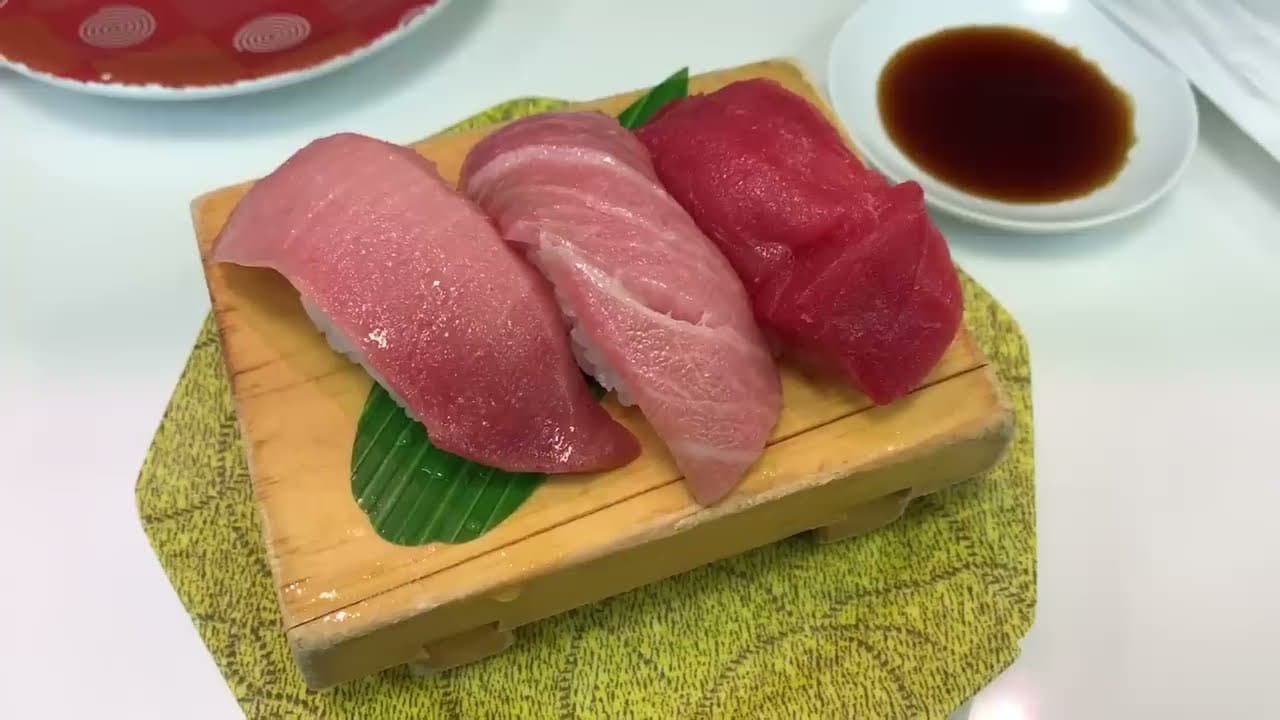
In Japan, sushi should be ordered in small quantities to ensure it is eaten fresh. When using soy sauce, flip the sushi so only the fish touches the sauce, as dipping the rice can cause it to absorb too much. This method enhances the flavor without overpowering the sushi.
Summary & Key Takeaways
-
Japan is a country with a rich cultural heritage, and understanding local customs is crucial for travelers. This guide outlines 11 actions to avoid, such as tipping, improper chopstick use, and loud talking on trains, to ensure respectful and enjoyable interactions.
-
Travelers should be aware of Japan's cash-based economy and the proper etiquette for exchanging business cards. Additionally, covering tattoos and respecting restaurant policies that may exclude foreigners are important for a smooth experience.
-
Understanding subtle social cues and traditions, like not pouring your own drink first and using a money tray at stores, helps visitors navigate Japanese society respectfully and avoid common faux pas.
Read in Other Languages (beta)
Share This Summary 📚
Summarize YouTube Videos and Get Video Transcripts with 1-Click
Try YouTube Summary with ChatGPT & Claude or YouTube Transcript Generator