The Memory Palace Technique For Studying
TL;DR
Learn effective Memory Palace techniques for studying efficiently.
Transcript
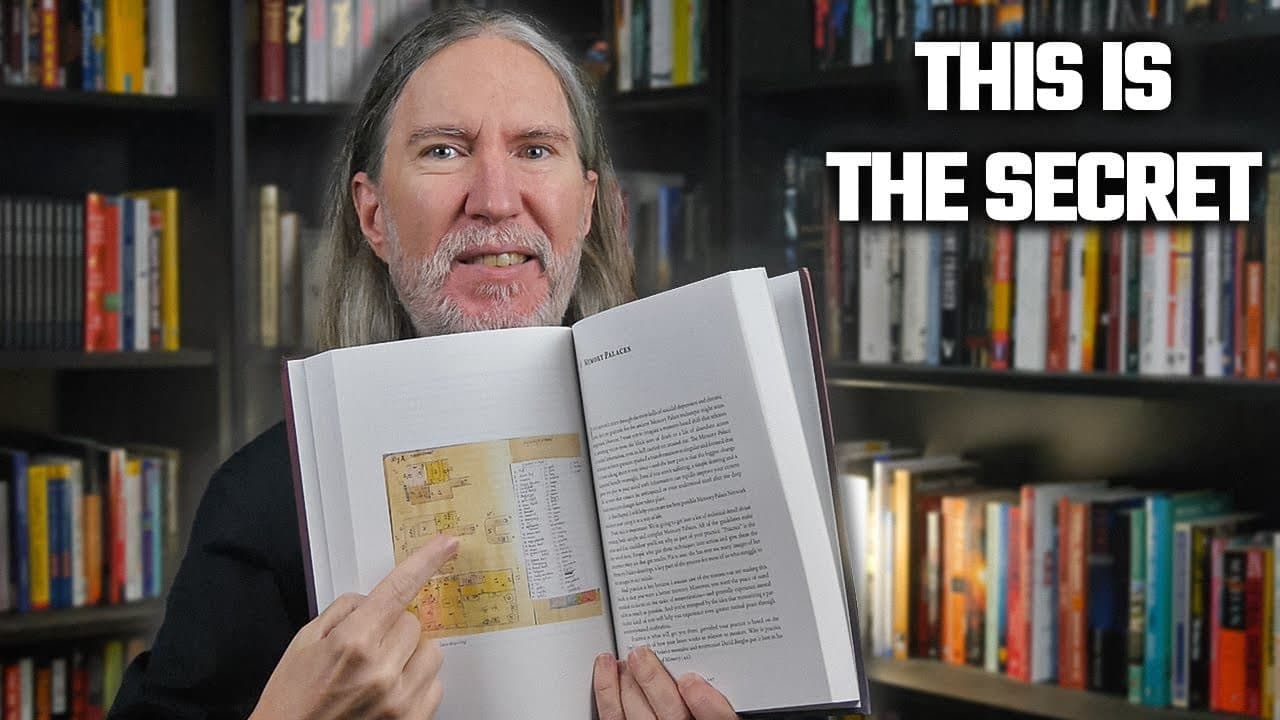
The Memory Palace technique for studying is an absolute waste of time unless you're going to use it correctly and there's a correct way to do it for sure and unfortunately a lot of people do not teach it in its full Glory the way that I used it as part of getting my PhD and I had to spend hours and hours and hours of time figuring o... Read More
Key Insights
- The Memory Palace technique involves five core mnemonic systems: Memory Palace, alphabetical associations, numerical associations, symbol associations, and spaced repetition.
- The technique is rooted in ancient history, with Hugh of St. Victor being a notable early practitioner who used it for memorizing historical dates.
- The Memory Palace technique is not just visual; it includes kinesthetic, auditory, and conceptual elements to enhance memory retention.
- To effectively use the Memory Palace, one should avoid inventing new elements and instead rely on existing memories and associations.
- The technique is highly adaptable and can be used for various subjects, including languages, by creating multiple memory palaces for different topics.
- Recall rehearsal is a crucial part of the technique, involving active recall and spaced repetition to solidify information in long-term memory.
- The technique emphasizes the importance of using well-formed, distinct memory palaces to avoid cognitive overload and enhance learning efficiency.
- Training procedural memory through consistent practice with associations and memory palaces is vital for mastering the technique.
Install to Summarize YouTube Videos and Get Transcripts
Explore YouTube Video Summarizer or Get YouTube Transcript Extractor
Questions & Answers
Q: What is the Memory Palace technique?
The Memory Palace technique is a mnemonic system that involves creating a mental space where information is organized and stored using existing memories and associations. It combines five core strategies: Memory Palace, alphabetical associations, numerical associations, symbol associations, and spaced repetition, to enhance memory retention and retrieval.
Q: How is the Memory Palace technique rooted in history?
The Memory Palace technique has ancient origins, with historical figures like Hugh of St. Victor using it for memorizing complex information such as historical dates. Although the exact origins are unclear, the technique has been refined over centuries and is documented in various historical texts, showcasing its long-standing value as a memory aid.
Q: What are the key components of the Memory Palace technique?
The key components of the Memory Palace technique include the use of mnemonic systems such as Memory Palace, alphabetical associations, numerical associations, symbol associations, and spaced repetition. These components work together to create a seamless process for storing and retrieving information efficiently, enhancing long-term memory retention.
Q: How can the Memory Palace technique be adapted for different subjects?
The Memory Palace technique can be adapted for different subjects by creating multiple memory palaces tailored to specific topics. For example, one can have separate palaces for chemistry, philosophy, and languages. By organizing information within distinct memory spaces, learners can efficiently manage and recall information across various disciplines.
Q: Why is recall rehearsal important in the Memory Palace technique?
Recall rehearsal is crucial in the Memory Palace technique because it involves actively retrieving information from memory, which strengthens neural connections and aids in transferring information into long-term memory. This process, combined with spaced repetition, ensures that the information is retained and easily accessible when needed.
Q: How does the Memory Palace technique utilize existing memories?
The Memory Palace technique utilizes existing memories by leveraging familiar spaces and associations to create a logical sequence of stations within a mental space. This approach reduces cognitive load and enhances memory retention, as learners do not need to invent new elements but rather rely on what is already stored in their memory.
Q: What role do associations play in the Memory Palace technique?
Associations play a vital role in the Memory Palace technique as they link new information to existing memories through kinesthetic, auditory, and conceptual elements. By creating vivid, multi-sensory associations, learners can enhance the recall and retention of information, making it easier to retrieve when needed.
Q: How can one train procedural memory using the Memory Palace technique?
Training procedural memory using the Memory Palace technique involves consistent practice with creating and using associations and memory palaces. By regularly engaging in this practice, learners can develop the procedural skills necessary to efficiently encode and retrieve information, ultimately leading to mastery of the technique and improved memory performance.
Summary & Key Takeaways
-
The Memory Palace technique is a powerful mnemonic system that combines five core strategies to enhance memory retention. It involves using existing memories and associations to create a logical sequence of stations within a mental space.
-
The technique is rooted in ancient practices and has been used by historical figures like Hugh of St. Victor. It is adaptable for various subjects and emphasizes the importance of distinct memory palaces.
-
Recall rehearsal and spaced repetition are key components of the technique, helping to transfer information into long-term memory. Training procedural memory through consistent practice is essential for mastering the method.
Read in Other Languages (beta)
Share This Summary 📚
Summarize YouTube Videos and Get Video Transcripts with 1-Click
Try YouTube Summary with ChatGPT & Claude or YouTube Transcript Generator
Explore More Summaries from Anthony Metivier 📚
Summarize YouTube Videos and Get Video Transcripts with 1-Click
Try YouTube Summary with ChatGPT & Claude or YouTube Transcript Generator