Understanding Violent People
TL;DR
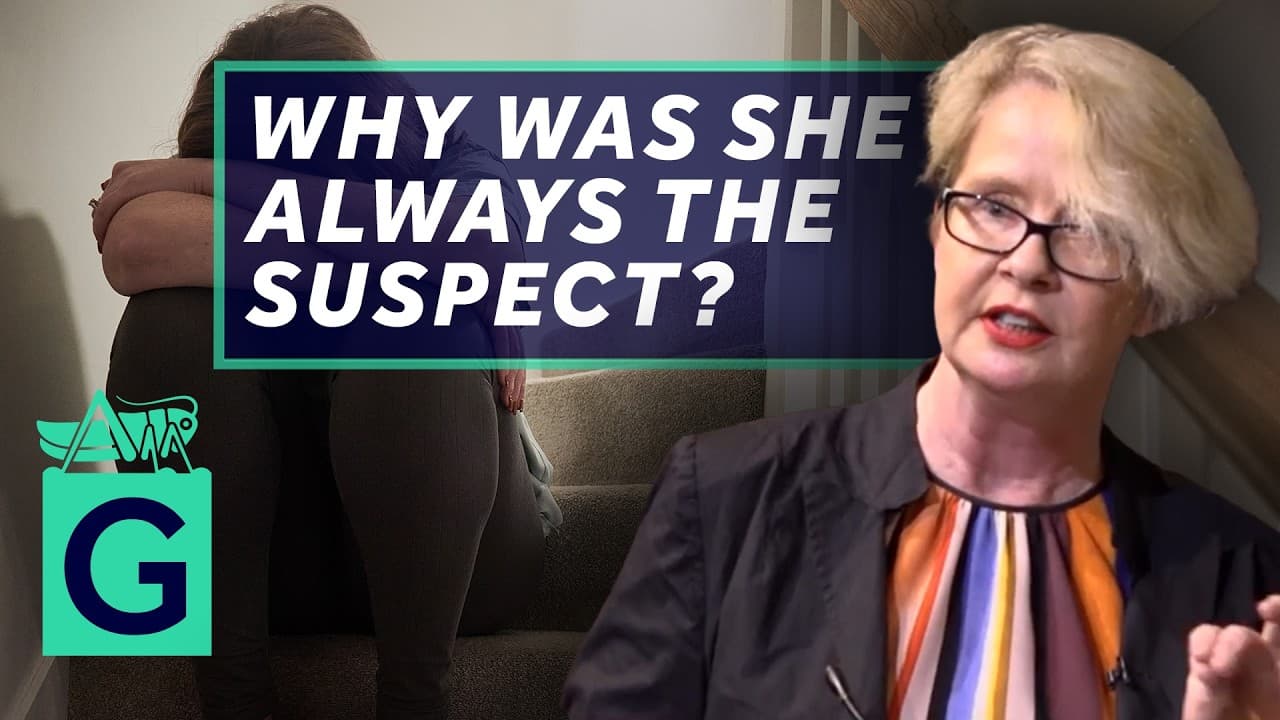
Exploring the changing understanding of murder in 20th century Britain through the lens of police and police doctors.
Transcript
i sat down to write this this lecture and I thought what hubris how in the world can anyone summarize this vast literature in the field in 45 minutes you know it's an absolutely impossible task so I had to think fast well what kind of violence do I want to focus on and I'd already given talks here and some of you may have attended on military viole... Read More
Key Insights
- 👮♀️ The representation of murder victims in police texts and documentaries reflected societal anxieties about violence, particularly towards women.
- 💝 The Hendon School for Detectives played a significant role in training officers in the latest scientific methods for dealing with violence.
- 🕵️♀️ The process of investigating murder involved the materialization of the female corpse, the collection of evidence, and the emphasis on scientific analysis.
Install to Summarize YouTube Videos and Get Transcripts
Explore YouTube Video Summarizer or Get YouTube Transcript Extractor
Questions & Answers
Q: What is the significance of focusing on non-wartime murder in this lecture?
By narrowing the scope to non-wartime murder, the lecture aims to understand how violence was perceived and understood in everyday situations, offering insights into broader social attitudes towards violence.
Q: Why were trainee murder investigating officers all men during this time?
The lecture suggests that there was considerable hostility towards the idea of women being exposed to violent crime scenes. Women in the police force were mostly assigned to handle phone calls, prostitution cases, and monitoring delinquents.
Q: How did the representation of murder victims reflect societal anxieties about violence?
The typical representation of murder victims, particularly women, involved sexualization and a focus on rape. This reflected anxieties about female sexuality and the fear of a post-war crime wave, despite evidence showing that violent crimes were not significantly increasing.
Q: How did the police and CID incorporate scientific methods in their investigations?
The lecture explains that police surgeons and forensic scientists worked together to collect evidence and analyze it using scientific practices like forensic photography, ultraviolet rays, and infrared photography. This marked a shift towards a more objective and scientific approach to solving crimes.
Summary & Key Takeaways
-
The lecture focuses on non-wartime murder and specifically on how it was understood by policemen and police doctors in mid to late 20th century Britain.
-
The Hendon School for Detectives played a significant role in training officers in scientific methods of dealing with violence, as showcased in a documentary where a mannequin named Mary of Hendon was used.
-
The lecture argues that there were four dominant types of violence reflected in police and CID representations of the female corpse: representation, materialization, somatization, and decapitalization.
Read in Other Languages (beta)
Share This Summary 📚
Summarize YouTube Videos and Get Video Transcripts with 1-Click
Try YouTube Summary with ChatGPT & Claude or YouTube Transcript Generator
Explore More Summaries from Gresham College 📚

Summarize YouTube Videos and Get Video Transcripts with 1-Click
Try YouTube Summary with ChatGPT & Claude or YouTube Transcript Generator