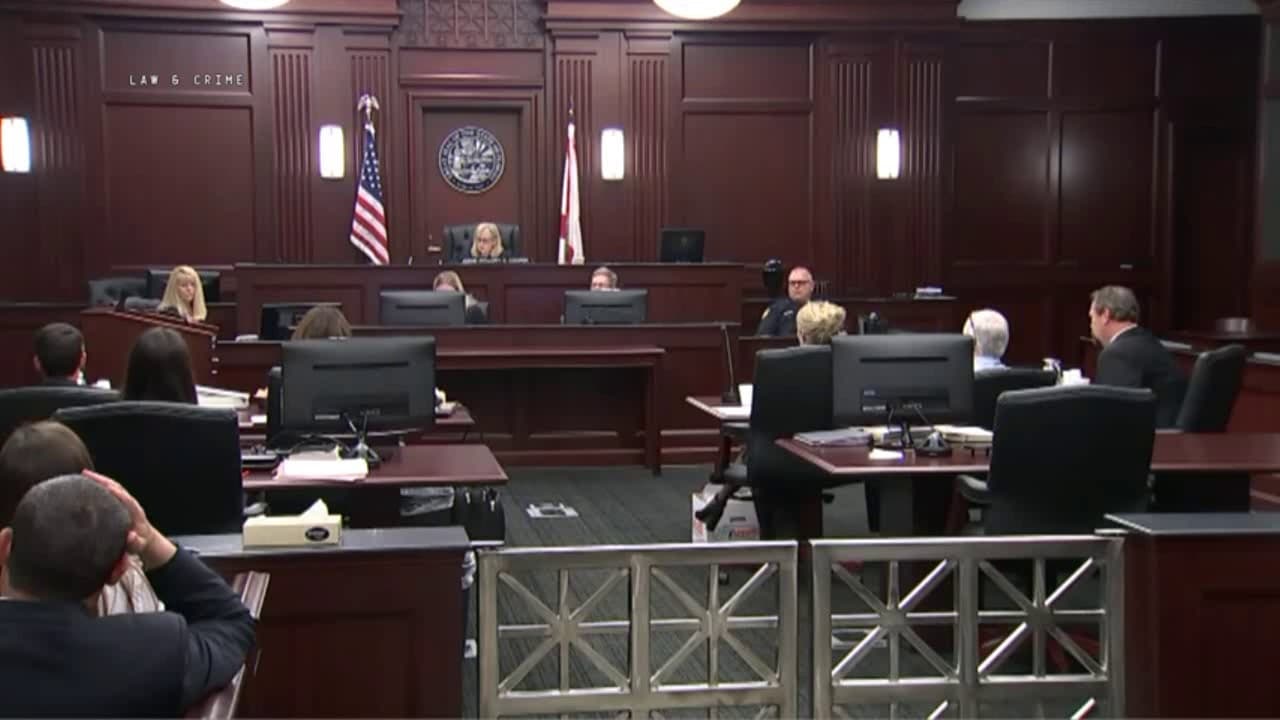
Donald Smith Trial Jury Instructions
TL;DR
Detailed guidelines for jurors during a trial, emphasizing communication restrictions and the importance of evidence.
Transcript
we'll be called to testify on your own they will be examined and cross-examined by the attorneys documents and other exhibits also may be produced as evidence after the evidence has been presented the attorneys will have the opportunity to make their final argument following the arguments by the attorneys the court will instruct you on the law that... Read More
Key Insights
- 👨🔬 Jurors are strictly prohibited from communicating about the case, conducting independent research, or using electronic devices during a trial.
- 🎁 The focus is on making decisions based only on the evidence presented in court, without external influences affecting the verdict.
- ❓ Jurors must follow the guidelines to maintain the fairness and integrity of the trial process.
- 🥺 Violations of communication or research restrictions can lead to contempt of court, mistrial, or other sanctions.
- 💁 The importance of not forming opinions until all evidence is presented and following the judge's instructions on the applicable law in the case.
- 🎵 Emphasizing that jurors should not be influenced by notes or other jurors' opinions, relying solely on their memory of the evidence.
- 🗯️ The significance of upholding the defendant's right to remain silent and not drawing any inference of guilt from their choice not to testify.
Install to Summarize YouTube Videos and Get Transcripts
Explore YouTube Video Summarizer or Get YouTube Transcript Extractor
Questions & Answers
Q: What are some key communication restrictions for jurors during a trial?
Jurors are prohibited from discussing the case with anyone, including fellow jurors and family members. They also cannot use any electronic devices for communication or research related to the case.
Q: Why are jurors instructed not to conduct any independent investigations during a trial?
Independent investigations can introduce biased or inaccurate information into the trial process, hindering the fairness and integrity of the proceedings.
Q: What happens if a juror violates the communication or research restrictions during a trial?
Jurors who violate these rules may be held in contempt of court and face sanctions such as jail time, fines, or a mistrial, which can be a costly and inconvenient outcome for all parties involved.
Q: Why is it crucial for jurors to base their verdict solely on the evidence presented in court?
By making decisions based only on courtroom evidence, jurors uphold the principles of fairness and ensure that all parties have the opportunity to challenge and dispute the evidence against them.
Summary & Key Takeaways
-
Jurors receive detailed instructions on communication restrictions, evidence evaluation, and importance of following guidelines during a trial.
-
Guidelines outline no communication, research, or interaction with electronic devices during proceedings.
-
Jurors are reminded of their duty to base verdict solely on evidence presented in court, without outside influence or distractions.
Read in Other Languages (beta)
Share This Summary 📚
Summarize YouTube Videos and Get Video Transcripts with 1-Click
Try YouTube Summary with ChatGPT & Claude or YouTube Transcript Generator
Explore More Summaries from Law&Crime Network 📚






Summarize YouTube Videos and Get Video Transcripts with 1-Click
Try YouTube Summary with ChatGPT & Claude or YouTube Transcript Generator