Products
Features
YouTube Video Summarizer
Summarize YouTube videos
Web & PDF Highlighter
Highlight web pages & PDFs
Chat with PDF
Ask any PDF questions with AI
Ask AI Clone
Chat with your highlights & memories
Audio Transcriber
Transcribe audio files to text
Glasp Reader
Read and highlight articles
Kindle Highlight Export
Export your Kindle highlights
Idea Hatch
Hatch ideas from your highlights
Integrations
Obsidian Plugin
Notion Integration
Pocket Integration
Instapaper Integration
Medium Integration
Readwise Integration
Snipd Integration
Hypothesis Integration
Apps & Extensions
Chrome Extension
Safari Extension
Edge Add-ons
Firefox Add-ons
iOS App
Android App
Discover
Discover
Ideas
Discover new ideas and insights
Articles
Curated articles and insights
Books
Book recommendations by great minds
Posts
Essays and notes from readers
Quotes
Inspiring quotes collection
Videos
Curated videos and summaries
Explore Glasp
Glasp Newsletter
Weekly insights and updates
Glasp Talk
Interview series with great minds
Glasp Blog
Latest news and articles
Glasp Use Cases
Learn how others use Glasp
Build & Support
Glasp API
Access Glasp's API for developers
MCP Connector
Connect Glasp to Claude & ChatGPT
Community
Glasp Reddit Community
Students
Student discount and benefits
FAQs
Frequently Asked Questions
AboutPricing
DashboardLog inSign up

Michio Kaku: Tweaking Moore's Law and the Computers of the Post-Silicon Era | Big Think
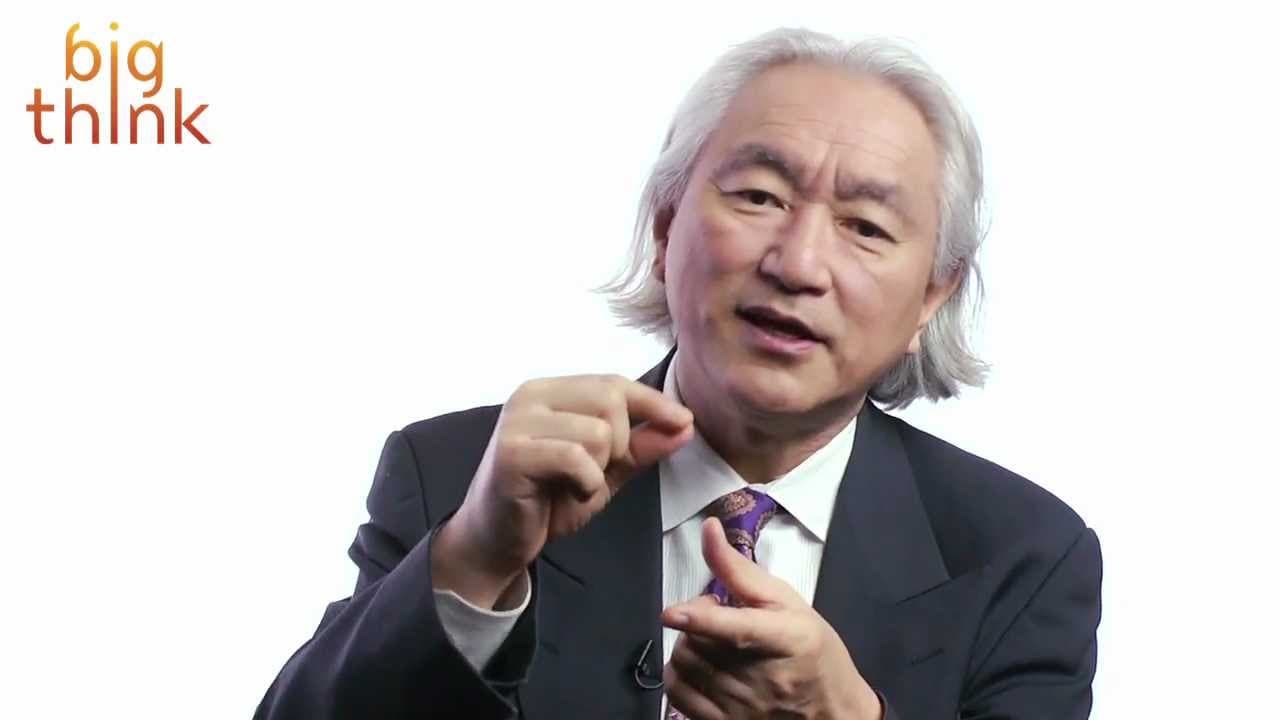
436.6K views
•
April 13, 2012
by
Big Think
YouTube video player
Michio Kaku: Tweaking Moore's Law and the Computers of the Post-Silicon Era | Big Think

TL;DR

Moore's Law, predicting computer power doubling, faces limits due to silicon technology. Future solutions include quantum and molecular computers.

Transcript

Michio Kaku: Years ago, we physicists predicted the end of Moore’s Law that says a computer power doubles every 18 months. But we also, on the other hand, proposed a positive program. Perhaps molecular computers, quantum computers can takeover when silicon power is exhausted. But then the question is, what’s the timeframe? What is a realistic scena... Read More

Key Insights

  • ⛔ Moore's Law is reaching its limits due to silicon technology constraints.
  • 🫷 Three-dimensional and parallel processing chips are interim solutions to push Moore's Law.
  • 💻 Molecular computers offer a potential future beyond silicon technology.
  • 🥹 Quantum computing holds promise but faces challenges like de-coherence.
  • ❓ The future of computing may involve a combination of different technologies.
  • 🐿️ Intel is adapting to challenges with three-dimensional chip designs.
  • 🧑‍🌾 Quantum computing has achieved limited computational feats so far.

Install to Summarize YouTube Videos and Get Transcripts

Explore YouTube Video Summarizer or Get YouTube Transcript Extractor

Questions & Answers

Q: What is Moore's Law, and why is it significant?

Moore's Law predicts the exponential growth of computer power over time by doubling every 18 months, playing a crucial role in technological advancement.

Q: What are the challenges silicon technology faces in continuing Moore's Law?

Silicon technology is approaching physical limits in miniaturization, leading to heat and leakage issues that can hinder further progress in computing power.

Q: How do molecular computers work and what challenges do they face?

Molecular computers utilize molecular transistors as switches, but mass production and wiring them up pose significant challenges due to their small size.

Q: What are the main problems with quantum computing?

Quantum computing faces de-coherence issues where external disturbances can disrupt calculations, limiting its practicality despite its potential power.

Summary & Key Takeaways

  • Moore's Law, which predicts computer power doubling every 18 months, is facing challenges with silicon technology.

  • Intel is moving towards three-dimensional chips but faces heat and leakage issues.

  • The future of computing may involve molecular and quantum computers as silicon technology reaches its limits.


Read in Other Languages (beta)

English

Share This Summary 📚

Summarize YouTube Videos and Get Video Transcripts with 1-Click

Download browser extensions on:

Try YouTube Summary with ChatGPT & Claude or YouTube Transcript Generator

Explore More Summaries from Big Think 📚

Three Reasons to Keep Physical Books thumbnail
Three Reasons to Keep Physical Books
Big Think
Carol Gilligan on Becoming a Psychologist  | Big Think thumbnail
Carol Gilligan on Becoming a Psychologist | Big Think
Big Think
COVID-19: What's happening in US prisons? | Shaka Senghor | Big Think Edge thumbnail
COVID-19: What's happening in US prisons? | Shaka Senghor | Big Think Edge
Big Think
How Nelson Mandela Leveraged the Power of Storytelling thumbnail
How Nelson Mandela Leveraged the Power of Storytelling
Big Think

Summarize YouTube Videos and Get Video Transcripts with 1-Click

Download browser extensions on:

Try YouTube Summary with ChatGPT & Claude or YouTube Transcript Generator

Apps & Extensions

  • Chrome Extension
  • Safari Extension
  • Edge Add-ons
  • Firefox Add-ons
  • iOS App
  • Android App

Key Features

  • YouTube Video Summarizer
  • Web & PDF Summarizer
  • Web & PDF Highlighter
  • Chat with PDF
  • Ask AI Clone
  • Audio Transcriber
  • Glasp Reader
  • Kindle Highlight Export
  • Idea Hatch

Integrations

  • Obsidian Plugin
  • Notion Integration
  • Pocket Integration
  • Instapaper Integration
  • Medium Integration
  • Readwise Integration
  • Snipd Integration
  • Hypothesis Integration

More Features

  • APIs
  • MCP Connector
  • Blog & Post
  • Embed Links
  • Image Highlight
  • Personality Test
  • Quote Shots

Company

  • About us
  • Blog
  • Community
  • FAQs
  • Job Board
  • Newsletter
  • Pricing
Terms

•

Privacy

•

Guidelines

© 2026 Glasp Inc. All rights reserved.