Down The YouTube Rabbit Hole
TL;DR
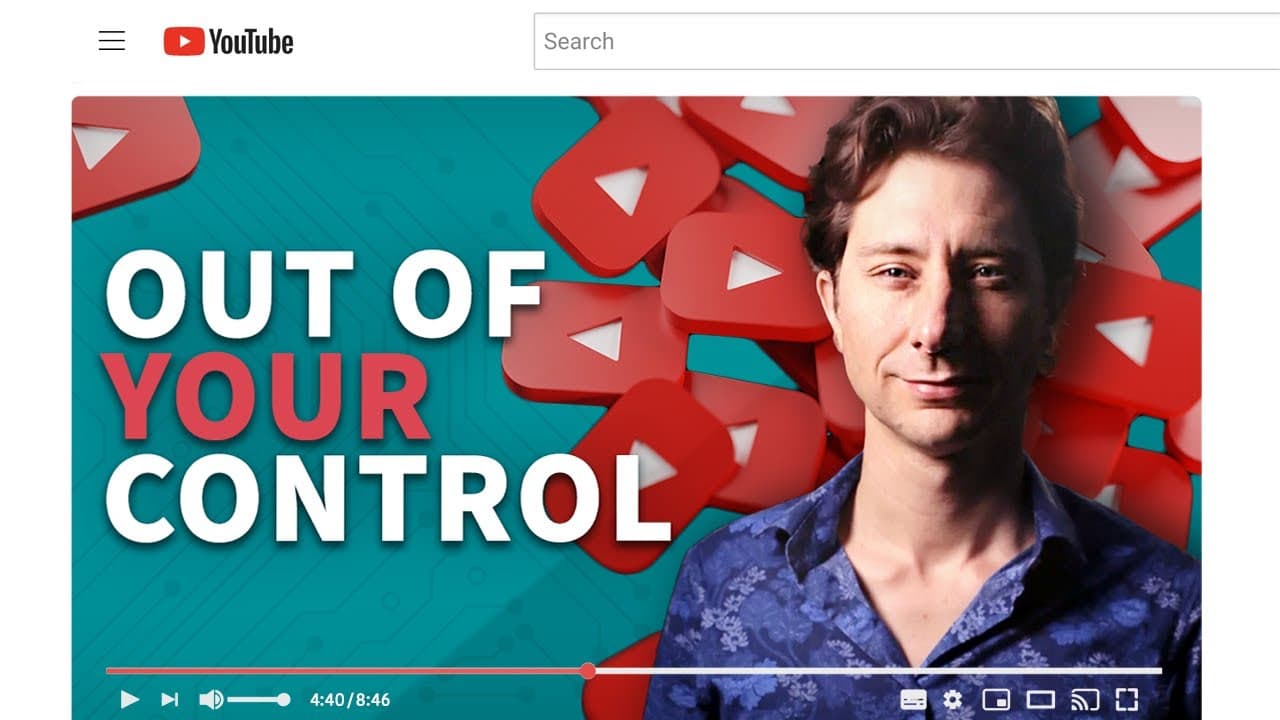
YouTube's recommendation algorithm favors extreme content, limiting user discovery and promoting harmful narratives.
Transcript
if you've ever wondered how youtube got so good at predicting exactly what'll keep you around ask guillaume he worked on the site's recommendation ai and he marveled at its power to sweep a viewer along from one video to the next setting them adrift on a stream of idol viewing time he celebrated as these streams multiplied and gathered strength but... Read More
Key Insights
- 🫵 YouTube's algorithm generates over 70% of its total views through personalized recommendations that aim to boost engagement.
- ❤️🩹 Users often end up consuming repeated similar content, limiting exposure to diverse ideas and viewpoints.
- 😮 The trend of recommending extreme content has led to a rise in conspiracy theories and polarizing narratives, reinforcing echo chambers.
- 🫵 The algorithm operates without a moral framework, prioritizing viewer retention over ethical considerations, which can propagate harmful ideologies.
- 🔉 Younger audiences are particularly vulnerable to the effects of algorithmic extremism due to their developmental stage and media literacy levels.
- 💄 Critics of the algorithm highlight the importance of transparency, encouraging platforms to reveal the decision-making processes behind recommendations.
- 🇨🇫 The engagement maximization strategy can detrimentally affect public discourse and societal norms by skewing perceptions of reality.
Install to Summarize YouTube Videos and Get Transcripts
Explore YouTube Video Summarizer or Get YouTube Transcript Extractor
Questions & Answers
Q: What is the primary purpose of YouTube’s recommendation algorithm?
The main purpose of YouTube's recommendation algorithm is to maximize viewer engagement. Over 70% of views on YouTube come from recommendations, significantly contributing to the platform's overall watch time. By suggesting videos that align with users' past behavior, the algorithm keeps viewers engaged for longer periods, which is crucial for YouTube's business model.
Q: How does the recommendation algorithm create echo chambers?
YouTube's algorithm analyzes individual viewing habits and preferences, leading to a personalized content stream. However, this often confines viewers to similar types of content, stifling exploration of diverse viewpoints. As users continually interact with the same genres, they are less likely to encounter contrasting opinions or new experiences, effectively trapping them in echo chambers.
Q: Why does the algorithm favor conspiracy theories?
Conspiracy theories tend to generate high levels of viewer engagement because they often provoke strong emotions and controversial discussion. As a result, the algorithm identifies these videos as effective in keeping viewers on the platform longer, leading to their promotion. This cycle results in ever-greater visibility for these theories, thus creating a "vicious cycle" of extreme recommendations.
Q: What are the potential dangers of algorithmic extremism?
Algorithmic extremism can lead to increased polarization and misinformation. By promoting extreme content, users may be drawn into harmful ideologies and conspiracy theories, creating a skewed perception of reality. This can erode trust in credible sources of information and reinforce harmful social narratives, ultimately impacting societal norms and values.
Q: How does YouTube's recommendation system compare to traditional media?
Unlike traditional media, which presents a curated selection of content, YouTube’s recommendation system is driven by engagement metrics and user behavior. This allows for personalized recommendations, but it can obscure the quality and ethical standards of content since the algorithm prioritizes viewer retention over factual accuracy or diversity in viewpoints.
Q: What does Guillaume Chaslow suggest as a solution to these issues?
Chaslow advocates for transparency regarding algorithmic processes and their societal implications. By shedding light on how these recommendations operate, users and policymakers can better understand the impact of content consumption and advocate for reforms that prioritize ethical considerations in algorithm design to reduce harmful outcomes.
Q: How does this algorithm impact younger audiences differently?
Younger audiences are particularly susceptible to algorithm-driven recommendations, as they may not yet have the critical thinking skills to discern credible content. For example, teenage viewers exploring dieting videos may be directed towards harmful anorexia content, exacerbating existing issues of body image and mental health within this demographic.
Q: What role do supercomputers play in this recommendation process?
Supercomputers allow platforms like YouTube to analyze vast amounts of data quickly and effectively. By studying viewer behavior across billions of interactions, these supercomputers identify patterns and preferences that inform recommendation algorithms. This creates a significant imbalance in power, where users are at the mercy of sophisticated technologies designed to maximize engagement rather than promote the welfare of viewers.
Summary & Key Takeaways
-
Guillaume Chaslow, an expert in AI, discusses YouTube's powerful recommendation algorithm, which drives viewer engagement by suggesting increasingly extreme content, thereby fostering echo chambers.
-
The algorithm heavily influences viewer choices, leading to a limited selection of videos that often promotes conspiracy theories and anti-moral views over well-rounded perspectives.
-
There is a growing concern regarding the ethical implications of these recommendation systems, as they exploit user engagement without consideration for the broader societal impacts, like spreading misinformation.
Read in Other Languages (beta)
Share This Summary 📚
Summarize YouTube Videos and Get Video Transcripts with 1-Click
Try YouTube Summary with ChatGPT & Claude or YouTube Transcript Generator
Explore More Summaries from Center for Humane Technology 📚


Summarize YouTube Videos and Get Video Transcripts with 1-Click
Try YouTube Summary with ChatGPT & Claude or YouTube Transcript Generator