The Economy of Iran
TL;DR
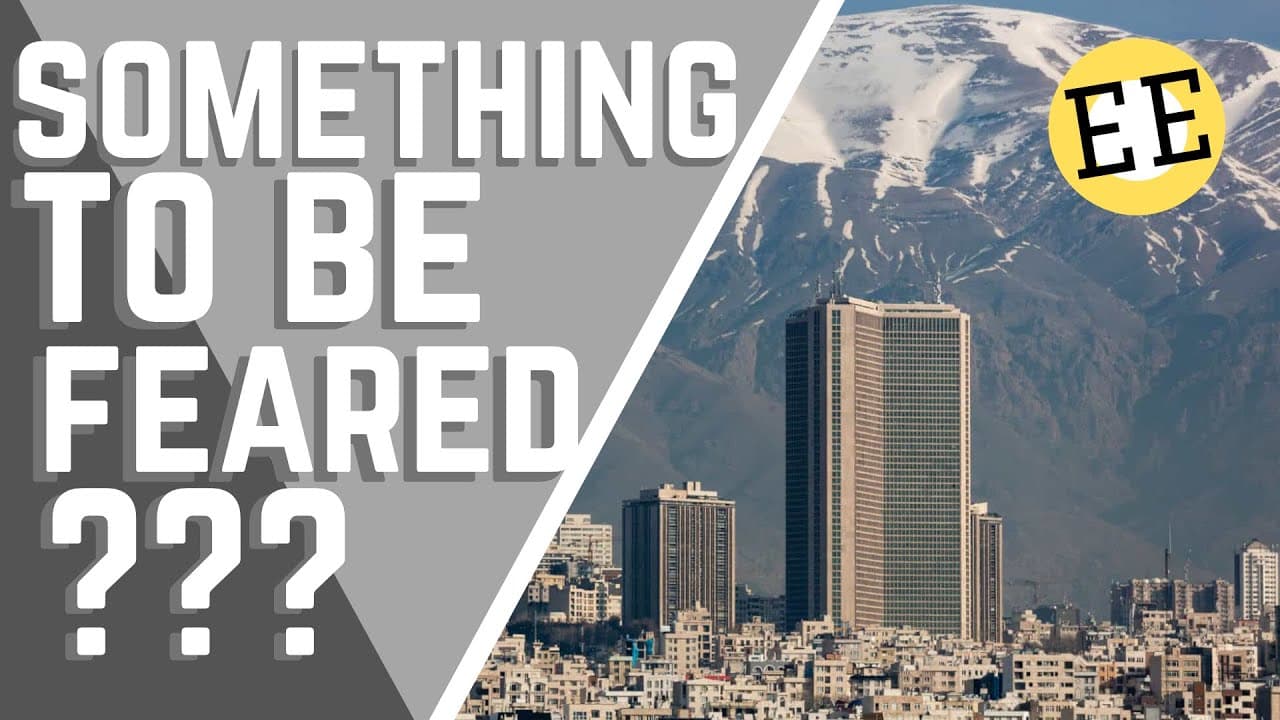
Iran's economy is shaped by oil, Islamic principles, and unique challenges.
Transcript
this is Iran a highly controversial nation that has of course made headlines in recent months for hostilities back-and-forth between the United States hostility towards the United States is really nothing new in and of itself but these particular hostilities have gained so much attention in part because Iran is a very very powerful military nation ... Read More
Key Insights
- Iran's economy is heavily influenced by its large oil and gas reserves, but this is not a guaranteed path to success due to internal instability.
- The intertwining of Islamic beliefs with Iran's economic policies creates a unique economic environment, particularly evident in the operation of bonyads.
- Bonyads, charitable trusts in Iran, control a significant portion of the economy, leading to challenges for private sector growth and economic diversification.
- Iran's stock market has experienced significant growth, despite the country's economic instability and international sanctions, driven by domestic investment and inflationary pressures.
- The Iranian economy faces challenges similar to other oil-rich nations, needing to diversify beyond oil wealth to ensure long-term economic stability.
- Iran's economic policies and structures, such as bonyads, are deeply rooted in cultural and religious beliefs, making reform challenging.
- The Tehran Stock Exchange's impressive growth is partly due to limited investment options for Iranians and the need to hedge against inflation.
- Despite its challenges, Iran's economy continues to function with a mix of traditional and modern economic practices, reflecting the complex interplay of religion, politics, and economics.
Install to Summarize YouTube Videos and Get Transcripts
Explore YouTube Video Summarizer or Get YouTube Transcript Extractor
Questions & Answers
Q: What role do bonyads play in Iran's economy?
Bonyads are charitable trusts in Iran that play a significant role in the economy. They are intertwined with the state and Islamic teachings, officially operating as non-profit organizations to redistribute wealth. However, they control a large portion of the economy, impacting private sector growth due to their tax-exempt status and state subsidies.
Q: How does Iran's reliance on oil impact its economy?
Iran's economy is heavily reliant on oil and gas reserves, which account for a significant portion of its wealth. However, this reliance poses challenges, as seen in other oil-rich nations. Internal instability and the need for economic diversification are critical issues, as oil wealth alone does not guarantee long-term economic success.
Q: Why has the Tehran Stock Exchange experienced significant growth?
The Tehran Stock Exchange has seen significant growth due to domestic investment pressures and inflation. With limited investment options and high inflation, Iranians view securities as more stable than cash. This demand, coupled with speculative bubbles, has driven impressive growth in the stock market despite the country's economic instability.
Q: What challenges does Iran face in diversifying its economy?
Iran faces challenges in diversifying its economy due to the dominance of bonyads and reliance on oil. Bonyads, with their state subsidies and tax exemptions, hinder private sector growth. Additionally, the intertwining of Islamic principles with economic policies complicates efforts to diversify beyond oil wealth, which is crucial for long-term stability.
Q: How do Islamic beliefs influence Iran's economic policies?
Islamic beliefs significantly influence Iran's economic policies, creating a unique environment. Economic structures like bonyads are deeply rooted in Islamic teachings, impacting wealth distribution and economic practices. This integration of religion and economics shapes policy decisions and presents challenges for reform and diversification efforts.
Q: What is the impact of international sanctions on Iran's economy?
International sanctions have a profound impact on Iran's economy, limiting trade and investment opportunities. These sanctions exacerbate economic instability and inflation, driving domestic investment into the stock market. Despite these challenges, Iran's economy continues to function, albeit with significant constraints and reliance on domestic resources.
Q: How does Iran's economic instability affect its citizens?
Iran's economic instability, driven by inflation and limited investment options, affects its citizens by reducing purchasing power and savings. With high inflation, Iranians often turn to the stock market to preserve wealth, despite the risks. This instability also impacts employment and economic opportunities, complicating efforts to improve living standards.
Q: What are the similarities between Iran and other oil-rich nations?
Iran shares similarities with other oil-rich nations in its reliance on oil wealth and the challenges of economic diversification. Like Venezuela, Iran faces internal instability that hinders capitalizing on natural resources. Successful diversification efforts, as seen in the UAE and Norway, contrast with Iran's struggles due to structural and political challenges.
Summary & Key Takeaways
-
Iran's economy is a complex mix of oil wealth, Islamic principles, and unique economic structures like bonyads. These charitable trusts control a significant portion of the economy, impacting private sector growth. Despite challenges, Iran's stock market has seen remarkable growth due to domestic investment pressures.
-
The intertwining of Islamic beliefs with economic policies creates a distinctive economic environment in Iran. Bonyads, which are charitable trusts, play a crucial role in the economy but also pose challenges for diversification. Iran's reliance on oil and its economic instability are ongoing concerns.
-
Iran's stock market has grown significantly, driven by domestic investment and inflation. The country's economy, while heavily reliant on oil, faces challenges similar to those of other oil-rich nations. The unique blend of traditional and modern practices shapes Iran's economic landscape.
Read in Other Languages (beta)
Share This Summary 📚
Summarize YouTube Videos and Get Video Transcripts with 1-Click
Try YouTube Summary with ChatGPT & Claude or YouTube Transcript Generator
Explore More Summaries from Economics Explained 📚
Summarize YouTube Videos and Get Video Transcripts with 1-Click
Try YouTube Summary with ChatGPT & Claude or YouTube Transcript Generator