Monarch Migration and Metamorphosis | Incredible Animal Journeys | National Geographic
TL;DR
Monarch butterflies struggle to find milkweed for their eggs, facing challenges from farmland and urbanization.
Transcript
In Texas, the monarch is close to exhaustion. With her last reserves, she's seeking out the perfect spot to lay her eggs. Using her amazing sense of smell she's on the hunt for milkweed, the only food her babies will eat. It's a plant which was once abundant. But now over three quarters of the state is farmland, choked by pesticides and weed killer... Read More
Key Insights
- 👳 Monarch butterflies struggle to find milkweed due to habitat loss from agriculture and urban development.
- ⏯️ Female monarch butterflies use their sense of smell to locate suitable spots for laying eggs.
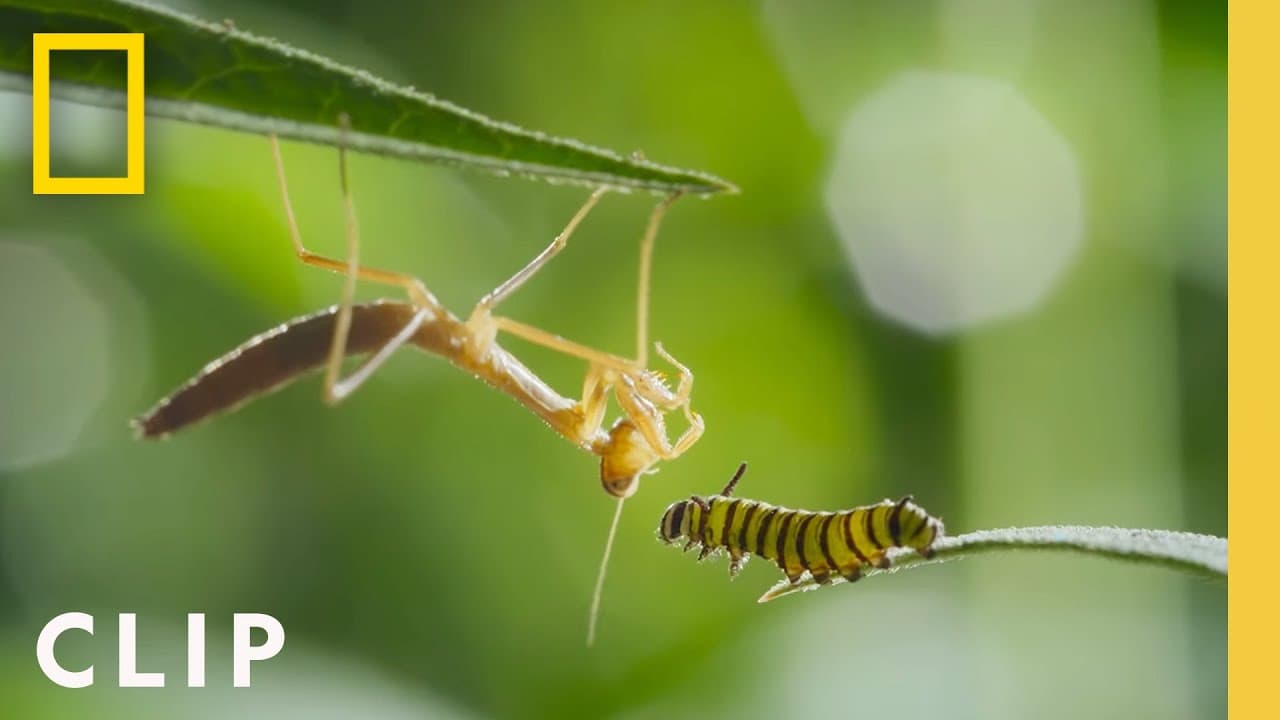
- 😋 Milkweed serves as the only food source for monarch caterpillars, who store its toxins for protection.
- 🦋 Monarch caterpillars go through metamorphosis inside a chrysalis before emerging as butterflies.
- 🐎 The monarch migration is a relay race, with each generation continuing the journey.
- 🦋 Monarch butterflies exhibit warning signals with their bright colors due to their toxic nature.
- 🦋 The life cycle of monarch butterflies involves rapid growth and transformation from caterpillars to butterflies.
Install to Summarize YouTube Videos and Get Transcripts
Explore YouTube Video Summarizer or Get YouTube Transcript Extractor
Questions & Answers
Q: What challenges do monarch butterflies face in Texas?
Monarch butterflies in Texas struggle to find milkweed due to extensive farmland and pesticides. These challenges make it difficult for them to find suitable spots to lay their eggs and continue their life cycle.
Q: How do monarch butterflies locate milkweed for their eggs?
Monarch butterflies use their remarkable sense of smell to locate milkweed plants, the only food source for their babies. Despite the dwindling availability of milkweed, they can detect it from over 400 feet away, like a needle in a haystack.
Q: What is the role of milkweed in the life cycle of monarch butterflies?
Milkweed serves as the sole food source for monarch butterfly caterpillars. The toxic nature of milkweed serves as a defense mechanism for the caterpillars, who store the chemicals in their bodies and become toxic to predators.
Q: How do monarch butterflies transform from caterpillars into butterflies?
Monarch caterpillars go through metamorphosis inside a chrysalis, breaking down their bodies into genetic soup before reforming into butterflies. They inherit the instinct to migrate and follow a built-in G.P.S. system to continue the cycle.
Summary & Key Takeaways
-
Monarch butterflies in Texas are struggling to find milkweed due to farmland and urbanization.
-
A female butterfly uses her sense of smell to locate a backyard with milkweed to lay her eggs.
-
The life cycle of a monarch butterfly involves toxic milkweed, caterpillars growing, and transforming into butterflies.
Read in Other Languages (beta)
Share This Summary 📚
Summarize YouTube Videos and Get Video Transcripts with 1-Click
Try YouTube Summary with ChatGPT & Claude or YouTube Transcript Generator
Explore More Summaries from National Geographic 📚




Summarize YouTube Videos and Get Video Transcripts with 1-Click
Try YouTube Summary with ChatGPT & Claude or YouTube Transcript Generator