Are You Playing Chess Or Checkers With Your Life?
TL;DR
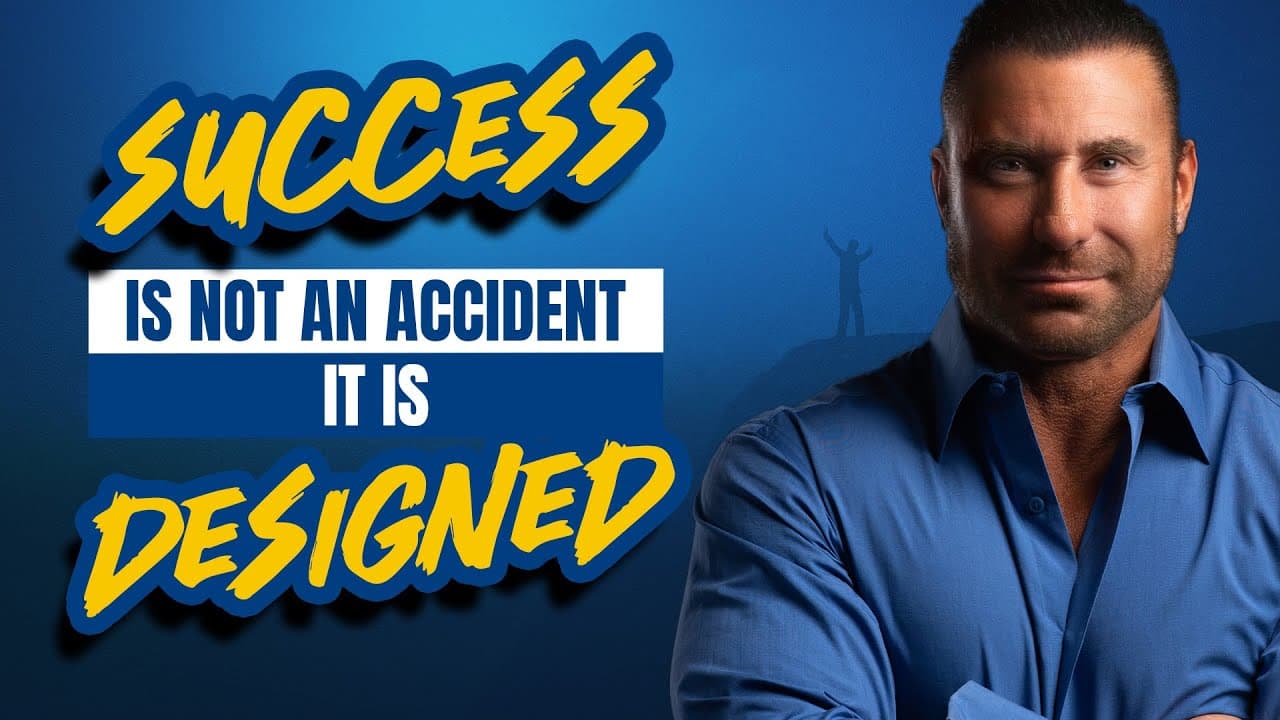
Adaptation and strategic thinking elevate life's success.
Transcript
as temperatures drop alligators in the South employ a rarely observed adaptation a state known as brumation The Reptilian equivalent of mammal hibernation alligator's heart rate can drop to almost an undetectable level only their snouts and front teeth Pro through the ice it allows them to breathe so alligator's body temperature decreases so they'r... Read More
Key Insights
- Adaptation is crucial for success, as demonstrated by alligators' instinctive survival strategies in freezing temperatures, hinting at inherited behavioral patterns.
- Humans may operate on deep-seated patterns passed down through generations, affecting behaviors and emotions without conscious awareness.
- Excessive self-analysis can hinder progress; instead, focus on building new structures and habits to advance in life.
- Strategic thinking, akin to playing chess, is essential for personal and professional growth, while reactive behavior resembles playing checkers.
- Self-reflection is valuable for growth, but dwelling on past traumas and mistakes can prevent moving forward and achieving potential.
- Creating new habits and routines is necessary to reach higher levels of success, as old patterns may not be sufficient for future goals.
- Understanding one's purpose and mission can drive motivation and resilience, providing a sense of direction and meaning.
- Leaders and successful individuals often lead by example, taking calculated risks and adapting to changing circumstances to achieve their visions.
Install to Summarize YouTube Videos and Get Transcripts
Explore YouTube Video Summarizer or Get YouTube Transcript Extractor
Questions & Answers
Q: What is the main message of the video content?
The main message is that success in life requires strategic thinking and adaptation, akin to playing chess. Rather than reacting to immediate circumstances like playing checkers, individuals should focus on building new structures and habits to elevate their lives and achieve their goals.
Q: How does the concept of cellular memory relate to human behavior?
Cellular memory suggests that certain behaviors and patterns may be inherited rather than learned, as seen in animals like alligators. This concept implies that humans might also possess deep-seated patterns passed down through generations, influencing their actions and emotions without conscious awareness.
Q: Why is excessive self-analysis considered detrimental?
Excessive self-analysis can be detrimental because it leads to stagnation and prevents individuals from moving forward. By constantly dissecting past experiences and traumas, people may become trapped in a cycle of reflection rather than taking proactive steps to build a better future and achieve their potential.
Q: What distinguishes successful individuals in their approach to life?
Successful individuals distinguish themselves by playing chess with their lives, meaning they think strategically and adapt to changing circumstances. They focus on creating new patterns, habits, and structures that align with their goals, rather than merely reacting to immediate situations or dwelling on past experiences.
Q: How can one identify patterns in life that may be inherited?
Identifying inherited patterns involves reflecting on behaviors and emotions that seem instinctual or unlearned. Observing recurring patterns that align with familial traits or historical behaviors can provide insights into inherited influences, suggesting a deeper, possibly genetic basis for certain actions and responses.
Q: What role does adaptation play in achieving success?
Adaptation plays a crucial role in achieving success by enabling individuals to adjust to new circumstances, challenges, and opportunities. It involves creating new habits, structures, and ways of thinking that align with one's goals, allowing for continuous growth and progression rather than remaining stagnant.
Q: How can one build new habits and structures for success?
Building new habits and structures for success involves identifying current patterns that no longer serve one's goals and replacing them with new, constructive routines. This process requires self-reflection to determine which behaviors to continue, adapt, or drop, and a commitment to implementing changes that support higher levels of achievement.
Q: What is the significance of understanding one's purpose and mission?
Understanding one's purpose and mission provides direction, motivation, and resilience in the face of challenges. It offers a sense of meaning and fulfillment, guiding individuals toward actions and decisions that align with their values and long-term goals. Recognizing this purpose can inspire proactive efforts to contribute positively to oneself and others.
Summary & Key Takeaways
-
The discussion emphasizes the importance of strategic thinking and adaptation in life, drawing parallels with alligators' instinctual behaviors. It suggests that humans may also inherit deep-seated patterns affecting their actions and emotions.
-
Excessive self-analysis is cautioned against, as it can lead to stagnation. Instead, the focus should be on building new habits and structures to achieve personal and professional growth.
-
The concept of playing chess, rather than checkers, with one's life is highlighted, encouraging a proactive and strategic approach to overcoming challenges and achieving success.
Read in Other Languages (beta)
Share This Summary 📚
Summarize YouTube Videos and Get Video Transcripts with 1-Click
Try YouTube Summary with ChatGPT & Claude or YouTube Transcript Generator
Explore More Summaries from Ed Mylett 📚





Summarize YouTube Videos and Get Video Transcripts with 1-Click
Try YouTube Summary with ChatGPT & Claude or YouTube Transcript Generator