That Time the US Government Poisoned Alcohol
TL;DR
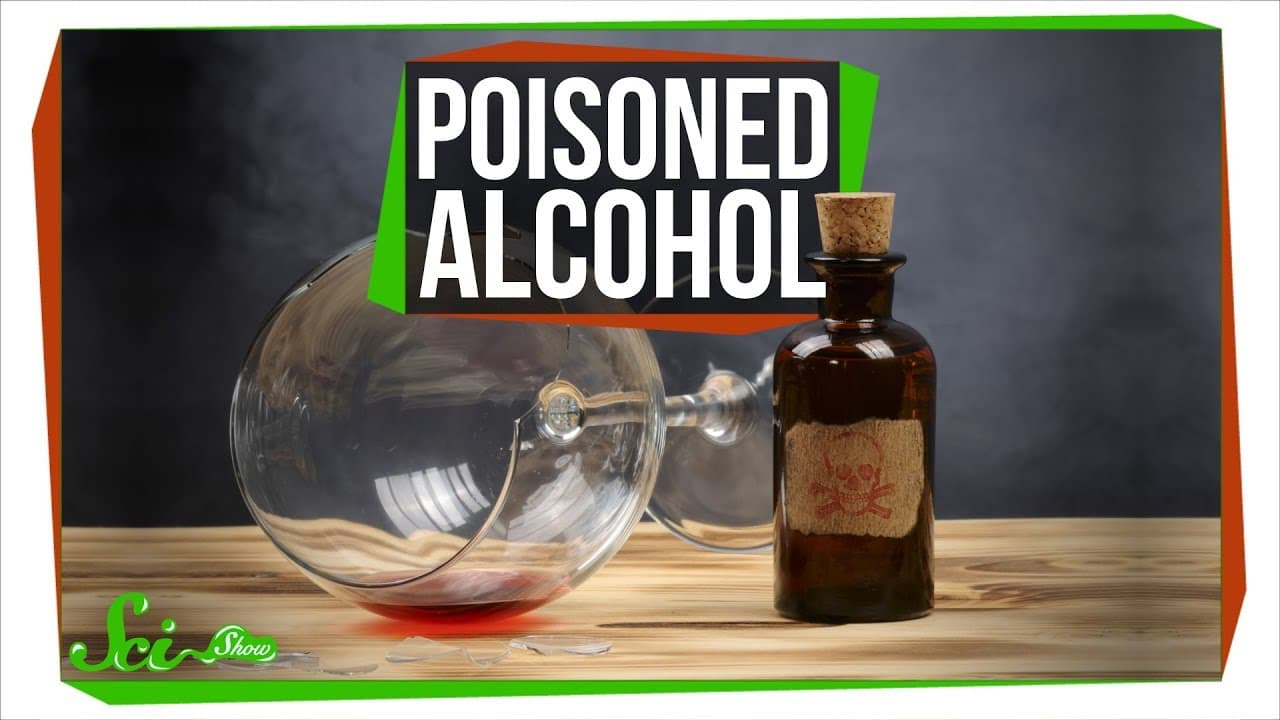
During Prohibition, the U.S. government added toxic chemicals, including methanol, to industrial alcohol, resulting in thousands of poisoning cases and deaths.
Transcript
[INTRO ♪] On Christmas Eve 1926, more than 60 people ended up in a single hospital in New York City. They were violently ill and hallucinating. And despite doctors’ best efforts, within a few days, about half of them died. But it wasn’t a virulent flu or poorly-chosen mushrooms that caused their deaths. It was alcohol that had been poisoned by the ... Read More
Key Insights
- 🫱 In the 1920s, the U.S. government engaged in a chemical war with illegal alcohol sellers during Prohibition.
- 🪜 Methanol, a toxic compound, was added to industrial alcohol, resulting in thousands of poisonings and deaths.
- 💀 Distillation was used by bootleggers to make the poisoned industrial alcohol drinkable, but it was not always effective.
- 😣 Methanol poisoning causes severe symptoms, including blindness and damage to major organs.
- ❤️🩹 Near the end of Prohibition, regulators switched to less toxic compounds to discourage illegal alcohol consumption.
- 😅 The government's poisoning of alcohol became a hot-button political issue.
- 🥺 The legacy of poisoned alcohol led to changes in industrial alcohol production regulations.
Install to Summarize YouTube Videos and Get Transcripts
Explore YouTube Video Summarizer or Get YouTube Transcript Extractor
Questions & Answers
Q: Why did the U.S. government add toxic chemicals to industrial alcohol during Prohibition?
The government added toxic chemicals to industrial alcohol to make it undrinkable and discourage people from consuming it. This was a tactic to enforce Prohibition by making the illegal alcohol more dangerous.
Q: How did bootleggers make the toxic industrial alcohol drinkable?
Bootleggers used distillation, a process that involves boiling alcohol and collecting its vapor, to remove small amounts of toxic additives and make the industrial alcohol drinkable. However, this process was not always done carefully, leading to health risks.
Q: What were the effects of methanol poisoning?
Methanol poisoning can have severe effects on the body, including damage to the stomach, intestines, and kidneys. Hallucinations and blindness are common symptoms. The buildup of formic acid, a byproduct of methanol breakdown, inhibits key enzymes necessary for energy production in cells.
Q: How did the government address the issue of poisoned alcohol towards the end of Prohibition?
As the number of poisonings and deaths became a political issue, regulators started using less toxic compounds that couldn't be distilled away, such as sulfurous compounds with unpleasant odors. This deterred people from consuming the poisoned alcohol.
Summary & Key Takeaways
-
In the 1920s, the U.S. government engaged in a chemical war with illegal alcohol sellers during Prohibition.
-
To make industrial alcohol cheaper to produce, toxic chemicals such as methanol, gasoline, and chloroform were added.
-
The addition of methanol, a highly toxic compound, caused thousands of poisonings and deaths.
Read in Other Languages (beta)
Share This Summary 📚
Summarize YouTube Videos and Get Video Transcripts with 1-Click
Try YouTube Summary with ChatGPT & Claude or YouTube Transcript Generator
Explore More Summaries from SciShow 📚


Summarize YouTube Videos and Get Video Transcripts with 1-Click
Try YouTube Summary with ChatGPT & Claude or YouTube Transcript Generator