Does Money Lead to Selfishness and Rudeness?
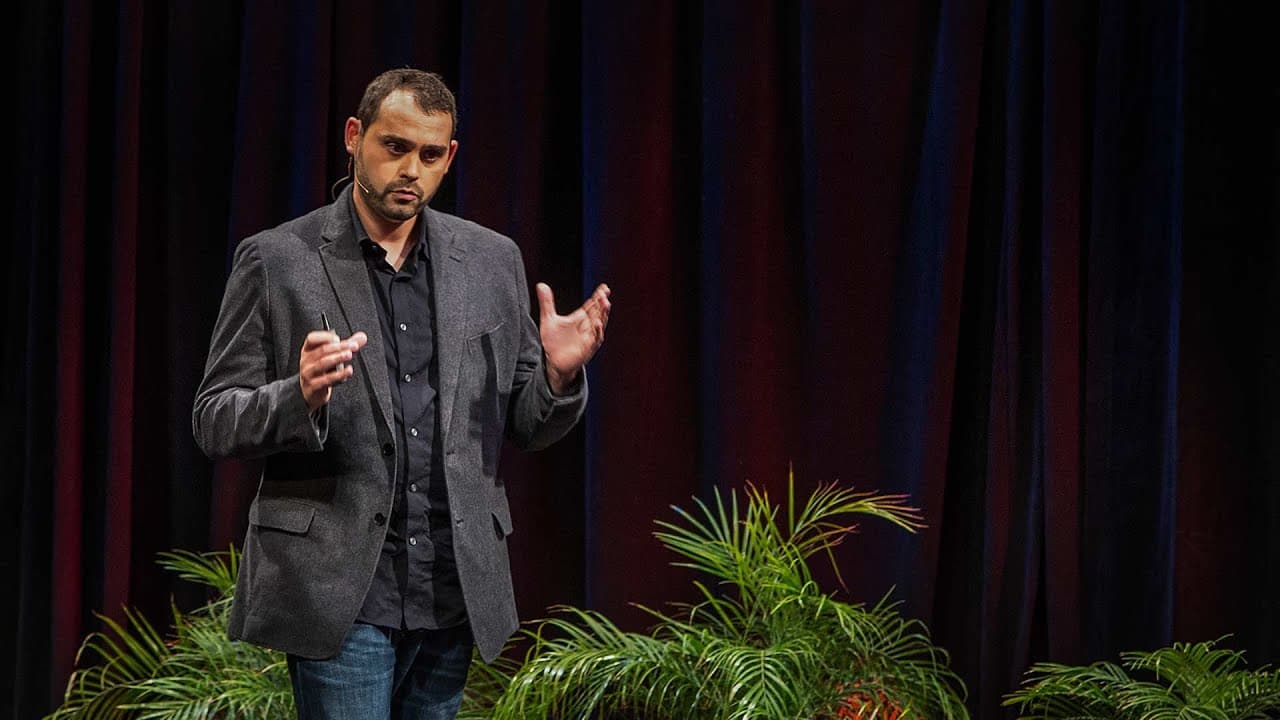
TL;DR
Wealth tends to decrease compassion and increase entitlement, resulting in ruder behavior among affluent individuals. Studies show that richer people are less likely to help others and more inclined to engage in unethical actions. Small interventions can restore empathy and advocate for changes that address economic inequality.
Transcript
I want you to, for a moment, think about playing a game of Monopoly. Except in this game, that combination of skill, talent and luck that helped earn you success in games, as in life, has been rendered irrelevant, because this game's been rigged, and you've got the upper hand. You've got more money, more opportunities to move around the board, and ... Read More
Key Insights
- 🎲 Monopoly game as a metaphor for a rigged system, where privileged players have more advantages, resulting in changes in behavior and attitudes towards others.
- 🤑 Increased wealth leads to decreased compassion and empathy, as well as an increased sense of entitlement and self-interest.
- 🍬 Rich individuals are more likely to take more for themselves, cheat, and engage in unethical behavior.
- 🚙 Drivers of more expensive cars are more likely to break the law, showing a correlation between wealth and selfish behavior.
- 💰 Economic inequality is reaching unprecedented levels, and the American dream is becoming unattainable for the majority.
- 🤝 Small psychological interventions and reminders of the benefits of cooperation can restore levels of empathy and egalitarianism.
- 💡 Signs of change include influential figures like Bill Gates addressing inequality and grassroots movements advocating for social change.
- 🌍 Economic inequality negatively affects social mobility, physical health, social trust, and exacerbates negative outcomes such as obesity, violence, and imprisonment.
Install to Summarize YouTube Videos and Get Transcripts
Explore YouTube Video Summarizer or Get YouTube Transcript Extractor
Questions & Answers
Q: How did the privileged players in the rigged game of Monopoly behave differently from the less privileged players?
The privileged players in the rigged game of Monopoly exhibited signs of dominance and power, being louder and more celebratory. They were also more likely to consume more resources, such as eating more pretzels, and became increasingly rude towards the less privileged players.
Q: What have studies shown about the behavior of wealthier individuals?
Studies have found that as a person's wealth increases, their feelings of compassion and empathy decrease, while their feelings of entitlement and self-interest increase. Wealthier individuals are more likely to moralize greed and self-interest and engage in unethical behavior, such as lying, cheating, and endorsing unethical behavior in work environments.
Q: How does economic inequality affect society?
Economic inequality has negative effects on various aspects of society. It leads to decreased social mobility, physical health issues, reduced social trust, and increased rates of obesity, violence, imprisonment, and punishment. These effects are not limited to the lower social strata but impact society as a whole.
Q: Can small psychological interventions make a difference in reducing inequality and increasing empathy?
Yes, small psychological interventions have been shown to have an impact. Promoting values of cooperation and community and reminding individuals of the needs of others can increase egalitarianism and empathy, even among wealthier individuals. Studies have demonstrated that slight changes in values and nudges towards compassion can lead to more generous behavior and reduced inequality.
Summary & Key Takeaways
-
Study conducted on UC Berkeley campus to explore the effects of privilege in a rigged game of Monopoly, where one player had more money and resources.
-
Wealthier individuals show less compassion, empathy, and are more likely to engage in unethical behavior.
-
Small psychological interventions and changes in values can help restore egalitarianism and empathy. Social policies and changes in behavior can combat inequality and restore the American dream.
Read in Other Languages (beta)
Share This Summary 📚
Summarize YouTube Videos and Get Video Transcripts with 1-Click
Try YouTube Summary with ChatGPT & Claude or YouTube Transcript Generator
Explore More Summaries from TED 📚



Summarize YouTube Videos and Get Video Transcripts with 1-Click
Try YouTube Summary with ChatGPT & Claude or YouTube Transcript Generator